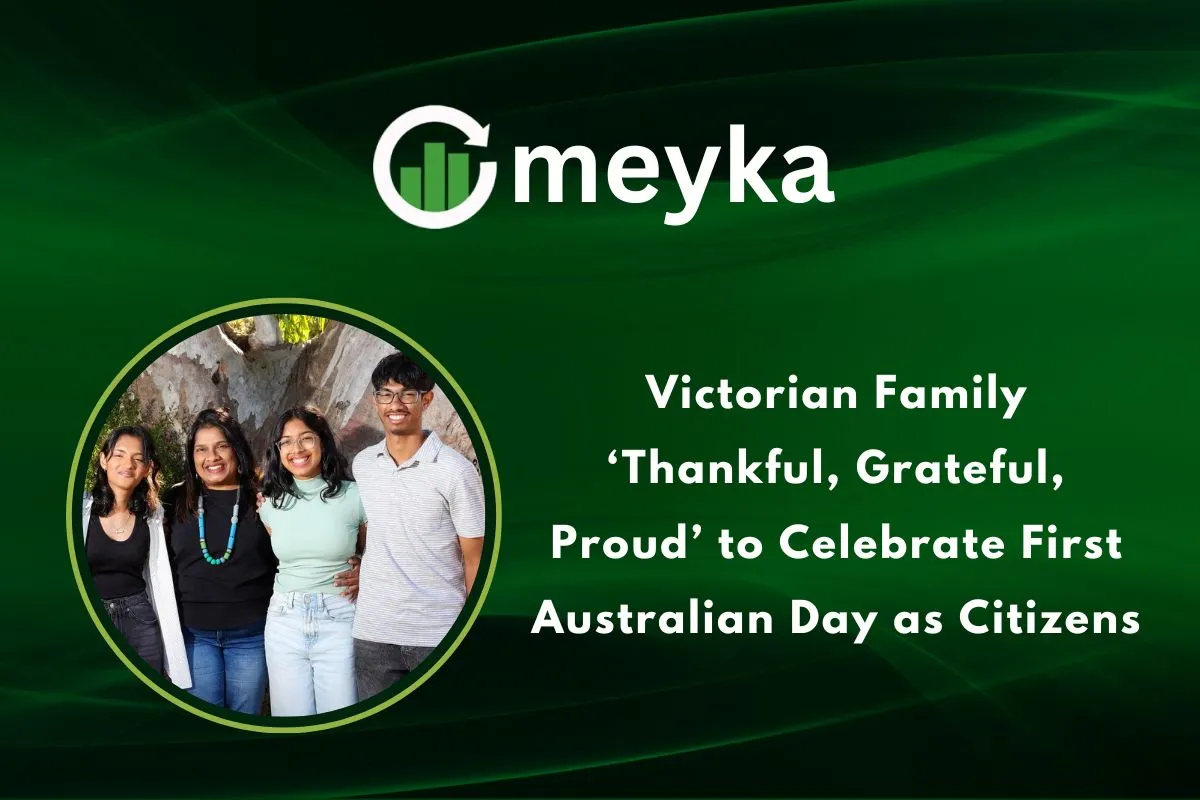
Victorian Family ‘Thankful, Grateful, Proud’ to Celebrate First Australian Day as Citizens
Every year on January 26, Australia celebrates Australia Day, a time for community, culture, and pride. In 2026, the Gunewardenas family in Victoria marked their first Australia Day as citizens, feeling thankful, grateful, and proud to belong to Australia’s diverse society. Across the country, people join ceremonies and festivals, while also reflecting on the nation’s history and identity.
The Family’s Journey to Citizenship
- Long Process: Becoming an Australian citizen takes years of effort, tests, and patience.
- Family Background: The Gunewardenas moved from Sri Lanka over 5 years ago.
- New Life in Victoria: They learned English, worked hard, and settled in Victoria.
- Citizenship Requirements: They completed language tests and met residency conditions.
- Goal: Their main aim was to earn the right to call Australia their home.
- Outcome: Citizenship gives rights, belonging, and a sense of achievement.
The Citizenship Ceremony
- Main Event: Citizenship ceremonies are a key part of Australia Day.
- National Scale: In 2026, thousands became Australian citizens.
- Prime Minister’s Presence: In Sydney, PM Anthony Albanese welcomed new citizens personally.
- Diverse New Citizens: People from India, Turkey, the USA, and more joined the ceremony.
- Hawkesbury Ceremony: 29 new citizens from 19 countries were welcomed.
- Symbolic Moment: Ceremonies like the one at Sydney Opera House highlight unity and diversity.
What Australian Day Means to Them
- Meaning of the Day: For the Gunewardenas, Australia Day means belonging.
- New Identity: They celebrate becoming Australians and feeling accepted.
- Opportunities: They appreciate safety, education, and work opportunities.
- Values of Australia Day: It represents respect, freedom, fairness, and inclusion.
- Shared Message: It is a day when people from different backgrounds say, “We belong here.”
Their Plans to Celebrate
- Personal Meaning: They will share food, laughter, and stories from their journey.
- Community Events: Across Australia, celebrations include concerts and fireworks.
- Cultural Mix: Many families share foods and music from their homeland.
- Australia Day Atmosphere: The day becomes colorful due to multicultural traditions.
Community and Multicultural Support
- Community Role: Local councils and groups host events for everyone.
- Types of Events: Citizenship ceremonies, festivals, breakfasts, and awards.
- Australia Day Awards: Local heroes, volunteers, and leaders are recognized.
- Cultural Events: Many celebrations include dances and family activities.
- Perth Celebrations: Riverfront events with entertainment and fireworks.
- Inclusive Spirit: These events show how diverse cultures shape Australia’s identity.
Reflection and Controversy
- Different Views: Not everyone celebrates Australia Day the same way.
- Indigenous Concerns: For many Indigenous Australians, January 26 marks colonisation and loss.
- Protests & Rallies: Many rallies highlight land rights and social justice.
- Shared Hope: People want the day to become a moment of understanding and unity.
- Future Focus: The conversation is about respect, history, and inclusion.
Conclusion
For the Gunewardenas family, this Australia Day 2026 will be unforgettable. They are thankful for their journey. They are grateful to be citizens. And they are proud to celebrate their place in the nation. Australia Day continues to be more than just a public holiday. It is a moment for reflection, connection, and community. It is a day when Australians, both new and long-time, stand together in celebration and hope.
From ceremonies to family gatherings, from fireworks to community awards, each part of Australia Day tells a story of who we are and who we want to become as a nation. And for families like the Gunewardenas, the day marks a new chapter in a life full of promise and belonging.
FAQS
Australia Day is the national holiday of Australia, celebrated on January 26 each year.
It is the day when many new Australians receive citizenship and feel proud, accepted, and part of the country.
Some people, especially Indigenous Australians, view January 26 as a day of colonisation and loss, so they protest for respect and change.
Disclaimer:
The content shared by Meyka AI PTY LTD is solely for research and informational purposes. Meyka is not a financial advisory service, and the information provided should not be considered investment or trading advice.