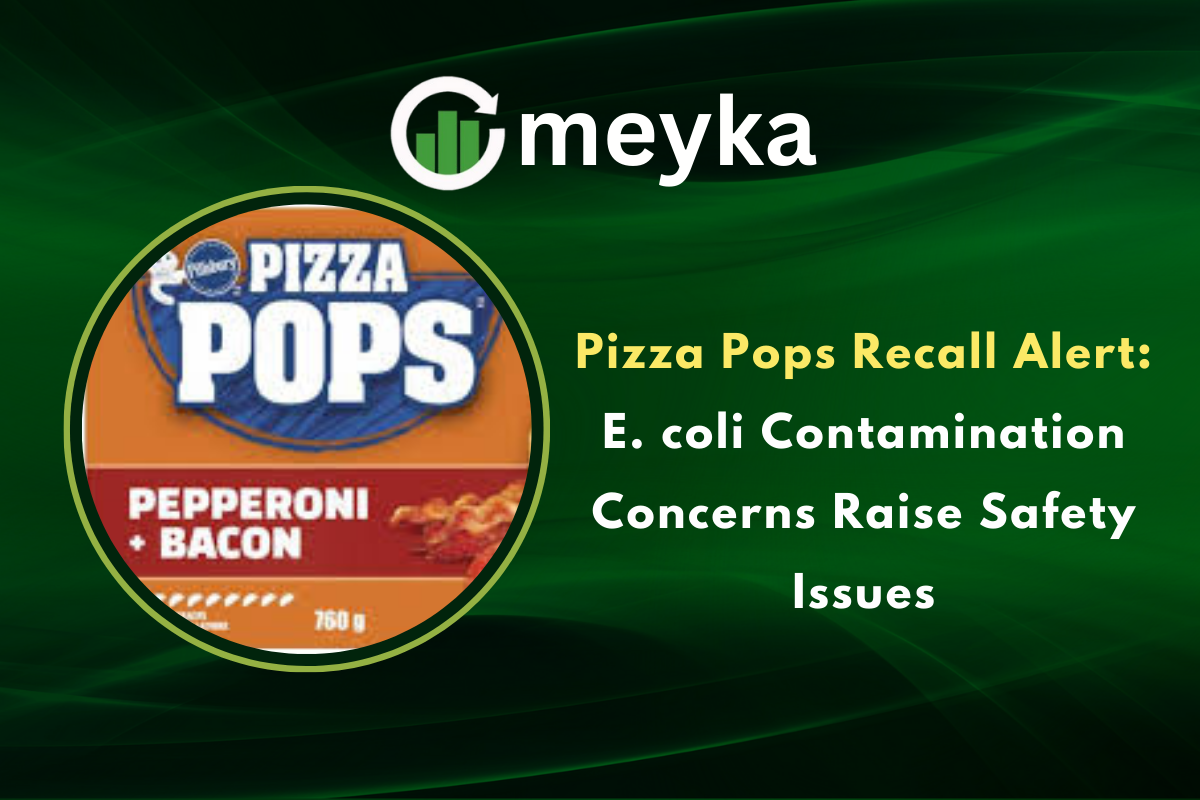
Pizza Pops Recall Alert: E. coli Contamination Concerns Raise Safety Issues
Pizza Pops have long been a popular freezer snack for families across Canada, especially for quick meals and late-night cravings. However, recent developments have turned this familiar product into a growing food safety concern. Health officials and food safety agencies have expanded a recall after possible E. coli contamination was linked to several Pizza Pops products, raising serious questions about consumer safety and food processing controls.
The recall has gained national attention after reports confirmed that the scope of affected products is wider than first expected. According to food safety investigators, the situation is still evolving as more testing and consumer illness reports come in. For shoppers, parents, and retailers, this alert is not just about one frozen snack. It is about trust, transparency, and how quickly food risks are handled.
Why does this matter so much right now? E. coli infections can be serious, especially for children, seniors, and people with weaker immune systems.
What Triggered the Pizza Pops Recall Alert
The Pizza Pops recall was triggered after health officials detected possible E. coli contamination linked to specific batches of frozen Pizza Pops products. Early investigations suggest that the contamination may be connected to a shared ingredient or production process, though officials continue to analyze samples to confirm the exact source.
Food Safety News reported that the recall was expanded as illness reports increased. Several consumers experienced symptoms consistent with E. coli infection, including stomach cramps, diarrhea, and fever. In some cases, medical attention was required. While no deaths have been reported so far, health agencies are treating the situation with urgency.
The Canadian Food Inspection Agency and public health partners moved quickly to issue warnings, urging consumers to check their freezers and avoid eating recalled products. Retailers were also instructed to remove affected items from shelves immediately.
A key concern is that frozen foods like Pizza Pops are often stored for long periods. This increases the chance that consumers may still have recalled products at home without realizing the risk.
Why E. coli Contamination Is So Serious
E. coli bacteria can cause severe illness, especially when consumed through contaminated food. Symptoms often appear within a few days and may last for a week or longer. In serious cases, complications can include dehydration or kidney issues.
Children are particularly at risk because their immune systems are still developing. This is why public health officials stress that any recalled Pizza Pops should be discarded or returned, even if they look and smell normal.
Which Pizza Pops Products Are Affected
Health authorities have confirmed that multiple Pizza Pops varieties are included in the recall, not just a single flavor or size. The affected products were distributed across several provinces, increasing the reach of the alert.
Consumers are advised to check packaging details such as best-before dates and lot numbers. These details help identify whether a product is part of the recall.
Key Details Consumers Should Check
The recall notice highlights several identifiers that shoppers should review carefully. These include product names, package sizes, and production codes printed on the box. Officials recommend comparing this information with recall notices published by food safety agencies.
If there is any doubt, the safest option is not to eat the product.
What Consumers Should Do Right Now
Consumers who have purchased Pizza Pops recently should take immediate action to protect themselves and their families.
Immediate Steps for Consumers
- Check freezer items for recalled Pizza Pops products
- Do not eat the product even if it appears fully cooked
- Return the item to the store for a refund or dispose of it safely
- Clean any surfaces that may have touched the product
These steps are simple but important. Cross-contamination can happen easily in kitchens, especially when frozen foods are handled and stored.
What If Someone Already Ate the Product
If someone has already eaten the recalled Pizza Pops and begins to feel unwell, health officials advise seeking medical advice. Early symptoms may seem mild at first, but can worsen quickly.
Doctors may ask about recent food consumption, so keeping packaging or purchase details can help speed up diagnosis.
How the Recall Is Expanding and Why
One of the most concerning aspects of this situation is the expansion of the recall. Initially, only a limited number of Pizza Pops products were listed. As testing continued and more illness reports surfaced, additional products were added.
This pattern suggests that contamination may have occurred earlier in the production chain. Food safety experts note that frozen foods can spread contamination widely because they are produced in large batches and shipped nationally.
Halifax CityNews reported that health officials are working to trace the supply chain, including ingredient sources and processing facilities. This type of investigation takes time but is essential to prevent future outbreaks.
Why Recalls Often Grow Over Time
Food recalls often start small and expand as more data becomes available. Testing results, consumer complaints, and hospital reports all play a role. This does not necessarily mean mistakes were hidden. It reflects how food safety systems work in real time.
What This Means for Food Safety Oversight
The Pizza Pops recall has renewed attention on food safety oversight in frozen food manufacturing. Regulators are now under pressure to review inspection schedules, testing methods, and reporting timelines.
Public confidence depends on how clearly companies and agencies communicate during a crisis. In this case, officials have emphasized transparency by updating recall lists and sharing health guidance quickly.
Food safety experts say this incident may lead to stricter controls or additional testing requirements for frozen prepared foods.
Social Media and Public Reaction
News of the Pizza Pops recall spread quickly on social media. Many parents shared concerns about feeding frozen snacks to children. Others questioned how contamination could occur in products meant to be cooked before eating.
Health experts responded by explaining that some E. coli strains can survive freezing and may not be fully eliminated if cooking instructions are not followed exactly.
This online conversation highlights the need for clear cooking guidance and food safety education.
What Happens Next in the Investigation
The investigation into the Pizza Pops recall is ongoing. Health agencies continue to collect samples and analyze illness reports. Officials are also working closely with the manufacturer to identify and correct any issues in the production process.
Further updates are expected as testing continues. Consumers are encouraged to monitor official recall notices for the latest information.
Will More Products Be Added
At this stage, officials have not ruled out the possibility of additional products being added to the recall. This is why consumers are urged to stay alert and review updates regularly.
Long-Term Impact on the Brand and Industry
Food safety incidents can have lasting effects on brands. Consumer trust takes time to rebuild, especially when children are involved. Industry analysts note that how a company responds during a recall can shape public perception for years.
Clear communication, cooperation with regulators, and visible safety improvements are key steps in restoring confidence.
The frozen food industry as a whole may also face increased scrutiny. This could lead to higher safety standards and more frequent testing.
Conclusion: Why the Pizza Pops Recall Matters
The Pizza Pops recall alert is more than a temporary warning. It is a reminder of how quickly food safety issues can emerge and how important it is to act fast. For consumers, checking freezers and following recall guidance can prevent serious illness. For manufacturers and regulators, the incident highlights the need for constant vigilance.
As the investigation continues, staying informed is the best defense. Food safety depends on shared responsibility, from production lines to home kitchens.
Disclaimer
The content shared by Meyka AI PTY LTD is solely for research and informational purposes. Meyka is not a financial advisory service, and the information provided should not be considered investment or trading advice.