US Stock Market Update: Nasdaq, S&P 500 Futures Advance Before Fed Meeting
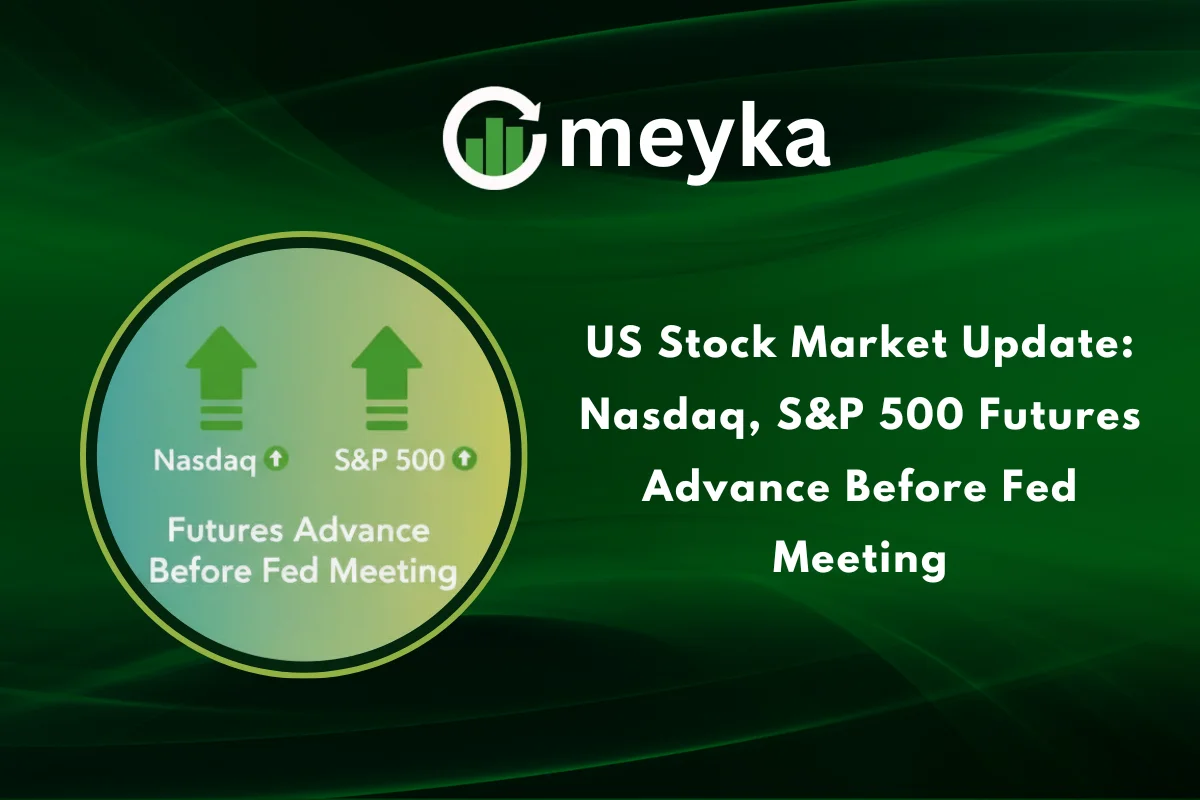
The US Stock Market showed signs of strength as traders positioned themselves ahead of a major Federal Reserve policy meeting later this week. Futures tied to the Nasdaq and S&P 500 both advanced, reflecting optimism among investors about corporate earnings and potential stability in interest rates, this movement came as traders prepared for the Fed’s decision on monetary policy which is expected to shape market direction in the near term.
S&P 500 futures rose by about 0.3%, while Nasdaq 100 futures climbed around 0.6%, signalling that growth stocks continued to attract buying interest. The Dow Jones futures, by comparison, traded mostly flat, showing that not all segments of the market were advancing at the same pace.
This positive outlook in futures markets followed a strong session in regular trading, where the S&P 500 hit a fresh record high and the NASDAQ posted solid gains driven by technology and megacap stocks. Investors remain focused on mega‑cap tech earnings reports, which have continued to influence broader market sentiment and drive confidence in growth themes.
Sector Leadership and AI Stocks Influence
Technology shares were once again among the best performers in the futures market, with mega‑cap names like Apple, Microsoft, and Nvidia helping to support the rally.
These firms continue to benefit from strong demand for cloud computing, artificial intelligence and software services, leading to renewed interest in tech‑focused investment strategies.
AI stocks, in particular, have been at the forefront of market leadership as investors allocate capital toward companies that are expected to benefit from long‑term digital transformation trends. The strength in tech has helped offset some of the weakness seen in other areas of the market, such as healthcare and insurance, which lagged behind during the recent trading sessions.
Stock research indicates that many investors are rotating into sectors with robust earnings growth forecasts, and technology often tops the list due to its high margins and future potential.
Market analysts often view the performance of key tech companies as a bellwether for broader market health, especially when these firms outperform during uncertain economic periods.
Investor Caution Ahead of the Federal Reserve Decision
Despite gains in futures, there remains a notable degree of caution among traders as the Federal Reserve’s two‑day meeting gets underway. The central bank is widely expected to hold interest rates steady, as inflation has shown signs of cooling, but remains above traditional target levels, prompting widespread speculation about the future pace of rate cuts.
Traders are eager for any guidance from Fed Chair Jerome Powell and other policymakers regarding the timing of future rate changes, as such guidance could significantly influence risk appetite across markets. The policy meeting will also likely address inflation expectations and provide updated forecasts for economic growth, both of which are key drivers for equity valuations.
At times like these, markets often experience heightened volatility because investors attempt to price in possible shifts in monetary policy. This cautious mood has been reflected in mixed trading patterns, with some sectors showing strong gains while others remain subdued or volatile.
Macro Data and Economic Signals
Economic data released in recent weeks has been mixed, reinforcing a cautious approach among traders. Some inflation indicators have eased, while employment figures and consumer spending continue to show resilience, creating a complex picture for the Fed to interpret.
Inflation that is too high could keep interest rates elevated for longer, which might dampen enthusiasm for risk assets, whereas signs of sustained cooling could result in rate cuts that would support equities and growth stocks. Global economic conditions, including slowdowns in major trading partners and geopolitical tensions, also factor into the broader picture that market participants are monitoring closely.
In the U.S., consumer confidence and business activity readings have delivered mixed results, reinforcing the idea that markets remain sensitive to data releases and monetary policy hints.
Impact on Other Markets and Commodities
The US Stock Market does not operate in isolation, and movements in equity futures have had ripple effects on related asset classes. For example, a softer dollar amid rate expectations has boosted commodity prices, including precious metals and energy products, as investors seek diversification and safe havens in times of uncertainty.
Gold prices have benefited from this trend, and rising commodity values can influence inflation dynamics, which subsequently feed back into investor assessments of monetary policy.
Bond markets have also reflected investor caution, with yields fluctuating as traders adjust their expectations for interest rate paths. Long‑term yields have remained sensitive to inflation data and economic growth concerns, reinforcing the vital connection between fixed income markets and equities.
Global Market Linkages and Trade Factors
Global economic developments also continue to influence the US stock landscape, especially trade relationships and policy announcements. Reports of potential trade agreements and easing geopolitical tensions have periodically lifted investor sentiment, especially when they involve major partners like China and regional allies.
Trade progress and tariff negotiations can reduce uncertainty for international supply chains, which benefits multinational corporations and export‑oriented businesses within the broader equity market. Conversely, renewed trade tensions or geopolitical risks can weigh on risk assets, prompting shifts into defensive positions such as bonds or precious metals.
From a stock market perspective, the interplay between domestic monetary policy and global trade policy remains a central theme for investors navigating the current environment. The timing and outcome of the Fed meeting are expected to be pivotal in shaping market direction in the coming weeks.
Outlook for Traders and Investors
Looking ahead, the US Stock Market is likely to remain sensitive to incoming economic data, corporate earnings reports, and signals from the Federal Reserve. If the Fed signals a willingness to cut rates in the near future, it could lead to renewed rallies in equities, particularly in growth and technology sectors.
However, if policymakers emphasize caution or signal a longer period of steady rates, markets may experience volatility or consolidation, especially among riskier asset classes. Investors will also be paying attention to earnings from major corporations, which serve as tangible indicators of economic health and future profitability.
For now, the market’s advance in Nasdaq and S&P 500 futures reflects cautious optimism, but traders are clearly pricing in a range of possible outcomes based on the Fed’s guidance and broader economic signals.
Frequently Asked Questions
When futures for indexes like the Nasdaq and S&P 500 advance it suggests that investors expect markets to open higher, often due to optimism about economic data, corporate earnings, or monetary policy.
The Fed meeting impacts markets because its decisions on interest rates and economic guidance influence borrowing costs, inflation expectations, and investor sentiment across equities, bonds, and commodities.
AI stocks are important because they represent high growth potential and significant market influence, particularly in the technology sector, which often leads broader equity market gains.
Disclaimer:
The content shared by Meyka AI PTY LTD is solely for research and informational purposes. Meyka is not a financial advisory service, and the information provided should not be considered investment or trading advice.