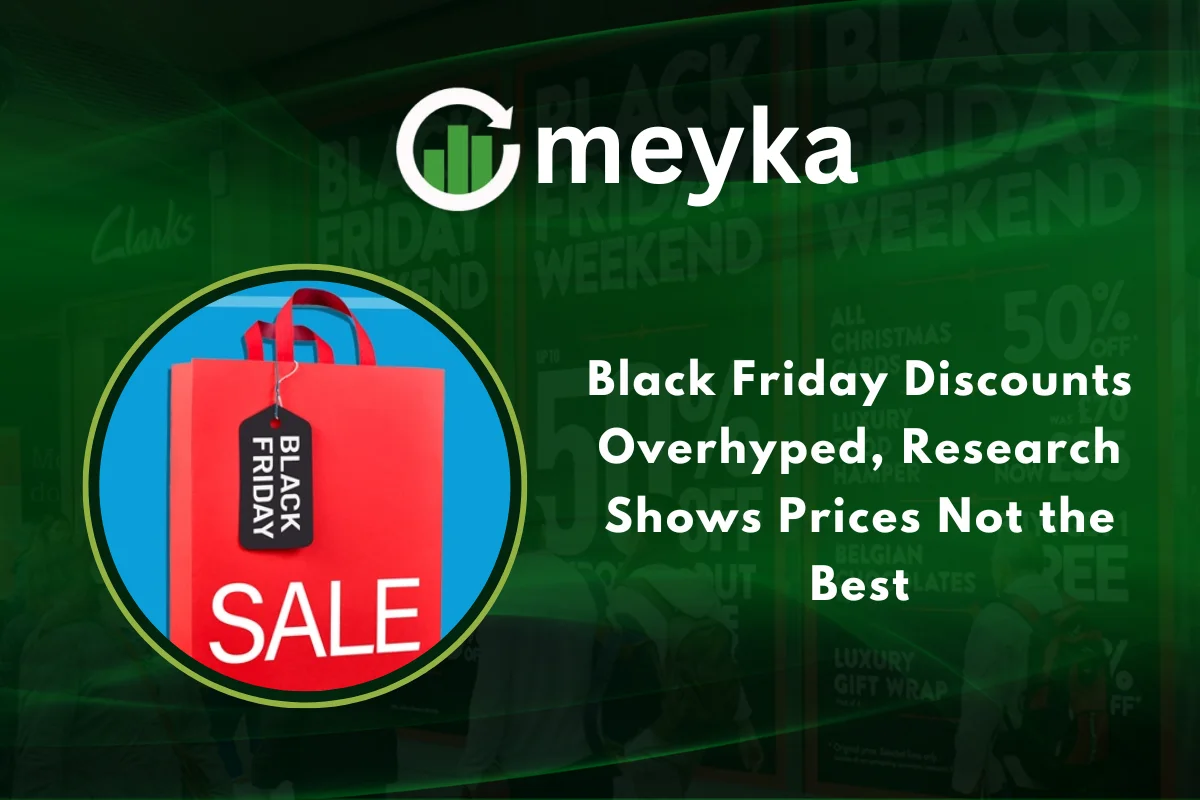
Black Friday Discounts Overhyped, Research Shows Prices Not the Best
Each year, Black Friday is billed as the ultimate time to score deep discounts on everything from tech gadgets to home appliances. But recent research suggests that many of these “unmissable” deals may not be as great as they seem. Studies and consumer watchdog analysis reveal that, for many products, the prices offered on Black Friday are often matched or undercut at other times of the year. In short, the hype may mask an illusion of savings.
What Recent Research Reveals About Black Friday Deals
Consumer group Which?, in its latest study, tracked the prices of 175 popular home, tech, and health products across several major UK retailers from May 2024 through May 2025. Their findings were staggering: none of those products had their lowest price on Black Friday. Instead, many items were cheaper or at least the same price, outside the Black Friday window.
Which? also reported that 94% of the John Lewis products included in their study were the same price or cheaper at other times of the year. Meanwhile, another deep dive into “was/now” pricing confirmed that retailers often inflate the “before” price in order to make the Black Friday discount look more attractive than it really is.
The Illusion of Discounts: Data-Driven Analyses
Data scientists from ITMAGINATION conducted a broader analysis spanning six product categories, like laptops, refrigerators, printers, TVs, and phones and they found that Black Friday deals were mostly marketing illusions, not real bargains. Their key findings include:
- Only about one-third of products were priced at their lowest point on Black Friday versus the previous 30 days.
- On average, prices during Black Week were 8% higher than the lowest price recorded in the preceding 90 days.
- Some electronics, such as printers, were actually 11% more expensive on Black Friday compared to their lowest price in the previous months.
These results challenge the narrative that Black Friday is always the best time to buy.
How Much Are People Really Saving?
Typical discounts during Black Friday tend to range between 28% and 38%. But when you factor in “pre-sale price inflation”, a tactic where retailers raise the original price just before the sales, the real savings drop sharply. In some cases, the actual price reduction is closer to about 5%, not the dramatic “half off” many expect.
Price-tracking platforms like Keepa, CamelCamelCamel, and Honey also support this view. Analysis from these sites shows that only 18–25% of Black Friday deals are genuinely at their lowest historic points. In many cases, prices are reset to just a few percent lower than their highest pre-sale level, rather than offering anything truly remarkable.
Why Do Retailers Use These Pricing Tricks?
There are a few common tactics that retailers use to create the illusion of value:
- Price Anchoring: Retailers hike up prices in the weeks before Black Friday, then advertise a big discount that brings the product back to its normal or slightly below-normal price.
- “Was / Now” Manipulation: The “was” price is artificially inflated to exaggerate how much you are “saving” when the “now” price appears.
- Limited Genuine Discounts: According to Which?’s long-term study, only a tiny percentage (as low as 2%) of the deals were at their true annual low point.
These tactics can mislead even savvy shoppers into believing they’re getting a bargain, when in reality they’re often just watching a long-standing pattern of pricing manipulation.
Why Consumers Are Losing Trust
It’s no wonder that trust in Black Friday deals is eroding. A recent survey by Lightspeed Commerce found that 84% of shoppers believe discount claims are exaggerated. This distrust spans generations, with people under 25 and those over 65 both highly skeptical of the promotional tactics used by retailers.
Many shoppers now suspect that the so-called “doorbuster” deals are just clever marketing. Even if some real discounts exist, the majority of customers feel they’re being duped by inflated list prices or time-limited hype.
Risks Beyond Pricing: Scams and Cyber Threats
Beyond misleading discounts, Black Friday season also opens the door to higher risks of online scams. According to recent reports, many phishing emails impersonate major retailers like Amazon or use “too-good-to-be-true” promotions to lure consumers. These fraudulent deals can steal personal data, compromise financial security, and leave shoppers worse off than before.
Cybersecurity experts warn that holiday shopping spikes create opportunities for fraudsters to exploit buyer urgency. Before clicking a “sale” link, consumers should double-check web addresses, avoid suspicious promotional emails, and use trusted, secure sites.
Advice for Smarter Holiday Shopping (Even on Black Friday)
So, how should you approach Black Friday more wisely and avoid falling for the hype?
- Track Prices Over Time: Use price history tools to verify whether a deal is truly a bargain or just a repainted version of a regular price.
- Use Price Comparison Tools: Sites and browser extensions like Keepa and CamelCamelCamel make it easier to see if the “discount” is real.
- Set Alert Targets: Choose a price you’re comfortable paying and set notifications. If the product hits that price outside of Black Friday, go for it.
- Ignore the Hype: Focus on what you actually need, not what feels “cheap” because of a sale.
- Stay Secure: Be alert for phishing sites or spammy promotions. Confirm URLs, use secure payment methods, and avoid deals that seem unusually generous.
What Does This Mean for the Stock Market Community?
For those doing stock research, especially in sectors tied to retail or consumer technology, the Black Friday narrative matters. Retailers may report a surge in sales around Black Friday, but it’s important to analyze whether that volume translates to real consumer value—or is simply driven by marketing. Overinflated demand can affect inventory planning, profit margins, and investor sentiment.
Similarly, AI stocks that serve retail or e-commerce platforms may benefit from increased holiday traffic. But if many of those Black Friday “deals” don’t reflect genuine savings, long-term sustainability becomes a question. Savvy investors should dig into the data behind holiday season promotions and assess whether they reflect real demand or just hype.
Conclusion
In reality, Black Friday discounts are not always the money-saving bonanza they’re made out to be. Studies from consumer groups like Which? and data-analysis firms such as ITMAGINATION reveal that many offers are recycled, inflated, or worse than regular prices. Add in the risk of scams, and the “biggest sale of the year” starts to look more like a marketing performance than a true bargain festival.
To make the most of any deal, shoppers should rely on stock research-style discipline, track prices, and stay cautious. In today’s market, saving money often means doing your homework, not just chasing the hype.
FAQs
Because many retailers use price-anchoring tactics, they raise the original price before the sale so that the “discount” looks more dramatic than it really is. Studies show that a large number of items are cheaper or the same price outside the Black Friday window.
Real-world data suggests average discounts range from 28% to 38%, but once pre-sale inflation is considered, the true savings may be closer to 5–10% for some items.
Use price-tracking tools like Keepa and CamelCamelCamel to review a product’s price history. Set price alerts for the lowest value you’re willing to pay, and carefully verify “was/now” claims. Avoid impulsive buys driven by hype.
Disclaimer:
The content shared by Meyka AI PTY LTD is solely for research and informational purposes. Meyka is not a financial advisory service, and the information provided should not be considered investment or trading advice.