AI Roadmap

Australia Launches AI Roadmap While Easing Plans for Tougher Rules

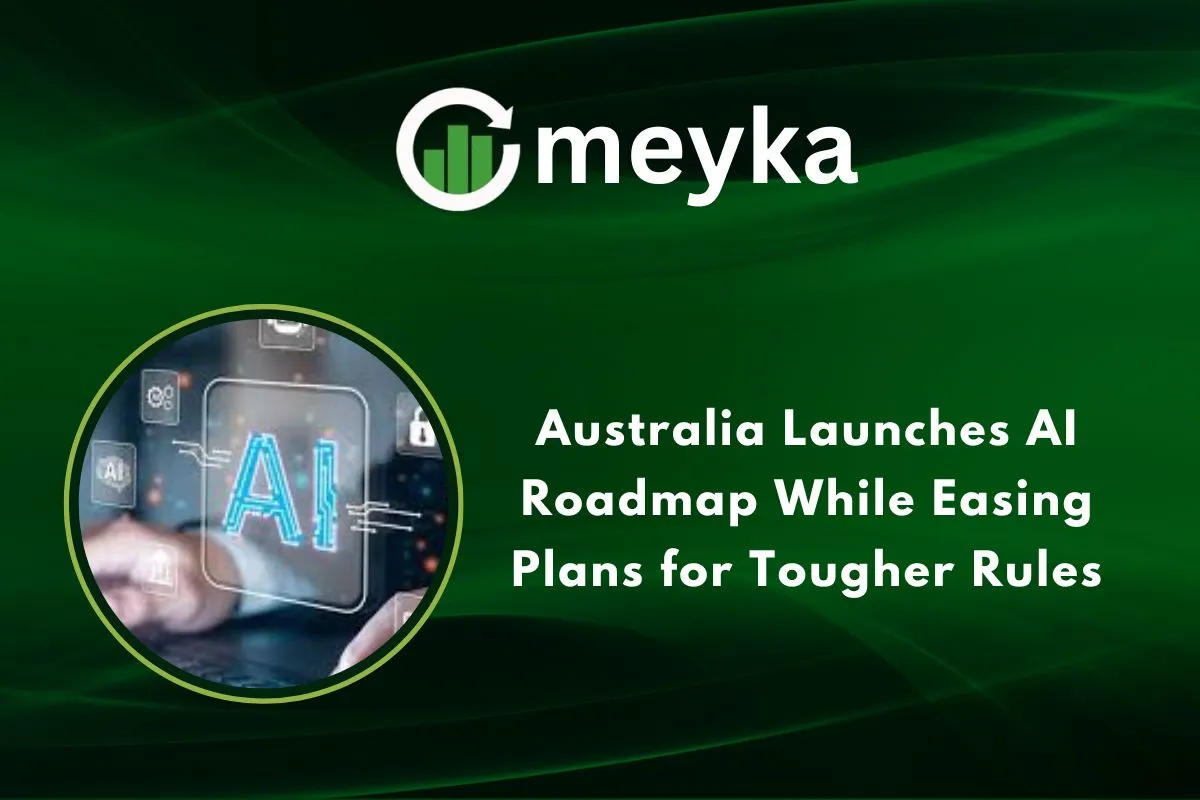
We are watching a big change in how Australia looks at artificial intelligence. On December 2, 2025, the government introduced the National AI Plan. This roadmap aims to speed up the use of AI across the country while carefully managing risks. It marks a shift from earlier ideas of strict, standalone AI laws. We will explain what the plan includes. We look at why Australia is taking a lighter regulatory path, and what it could mean for business, workers, and everyday life, now and in the future.

Background: Why Australia Needed an AI Roadmap

Australia is already strong in AI use and development. The plan itself notes that Australian researchers produce a significant share of global AI research, and many local firms work with AI. But AI is fast-moving. New tools, from generative AIs to models that analyse big data, raise serious questions. These include privacy, bias, misinformation, and job disruption. Previously, there were signals that the government might introduce strict, AI‑specific laws. But regulators faced a tough balancing act: safeguard people’s rights while not hurting innovation or business growth. The new roadmap is the government’s answer: a plan that aims to combine opportunity and caution.

Globally, countries like those in the EU, the US, and the UK explore different paths, from strict regulation to flexible guidance. Australia’s roadmap chooses flexibility.

Key Features of the AI Roadmap

Capturing Opportunities

The plan sets clear goals to attract investment, build strong infrastructure, and develop local AI talent.

Specific targets include:

  • Over AU$362 million in grants through research funds and cooperatives to support AI projects.
  • AU$17 million for a program to help small and medium enterprises (SMEs) adopt AI responsibly.
  • Further backing under the broader national technology fund, showing AI is now seen as a strategic sector.

These moves are meant to make Australia a competitive destination for AI investment and development.

Spreading the Benefits

The roadmap aims for inclusion. It wants every Australian,  no matter where they live or their background, to benefit.

To do this:

  • The National AI Centre (NAIC) will guide businesses, nonprofits, and community organisations in adopting AI safely.
  • There will be efforts to boost AI skills and literacy across schools, vocational institutions, and community-based programmes.
  • Special focus will be given to support for regional communities, women, people with disabilities, and indigenous groups, helping reduce the digital divide and ensure fair access.

The plan also extends to public services: starting in 2025, every government agency will get training and guidance to use AI tools safely and responsibly.

Easing Tougher Rules: Why Australia Chose a Light-Touch Approach

Perhaps the biggest shift: the government chose not to pass a new, dedicated “AI law” for now. Instead:

  • It will rely on existing laws, like those for privacy, consumer protection, intellectual property, and work health and safety, and extend them to cover AI uses.
  • A new institution, the AI Safety Institute (AISI), will begin work in early 2026. The institute will watch how AI develops, test new risks, and share findings.
  • Regulators in different sectors (health, media, finance, etc.) will be responsible for monitoring and managing AI use in their areas.

This approach is described as “flexible” and “risk-based.” It gives space for innovation while keeping safety nets ready.

Economic and Social Implications

Growth and Innovation

With heavy investment and infrastructure support, AI adoption could speed up across industries from healthcare to education to business services. We might see more startups. More jobs, especially in data science, AI development, and digital services. The plan aims to keep Australia competitive globally. By attracting both local and international partners, it hopes to turn AI into a major export‑ready industry.

Skills, Jobs, and Inclusion

As AI spreads, some jobs will change. For many, this may mean adapting skills. The roadmap supports this, offering training, boosting digital literacy, and making opportunities accessible to rural and underrepresented groups. This focus can reduce inequality. For instance, people in remote areas or disadvantaged backgrounds might get access to AI tools and learning, helping them compete on equal footing.

Safety, Trust, nd Ethical Use

Using AI widely brings risks. These include privacy breaches, biased decisions, misinformation, or misuse of data. The plan aims to address these through oversight, safety research, and fair regulation. By keeping laws flexible but ready to adapt, Australia tries to avoid heavy‑handed regulation that could stifle creativity, while still protecting people and communities.

Conclusion

Australia’s new AI Roadmap is a bold step. It blends ambition and caution. The government is betting that AI can bring economic growth, jobs, and better services if managed responsibly. By choosing to rely on existing laws, rather than building new AI‑specific regulation, Australia aims for flexibility. The creation of the AI Safety Institute adds a layer of oversight, aiming for safety, fairness, and trust. If things go well, AI could help Australia build a more inclusive, modern economy. But success will require constant vigilance: to ensure that the benefits reach everyone, and that the risks to privacy, fairness, and jobs are managed well.

FAQS

What is the artificial intelligence action plan in Australia?

The National AI Plan of Australia guides how the government will support AI growth, build digital infrastructure, train skilled workers, and make sure AI is safe and fair for everyone.

What is the 30% rule in AI?

The “30% Rule” means using AI for only about 30% of a task or workflow, while leaving the rest to humans. It balances automation with human judgment.

Does Australia have an AI strategy?

Yes. Through the National AI Plan and the separate APS AI Plan 2025, Australia has laid out a clear national strategy to adopt AI responsibly at both government and industry levels.

Disclaimer:

The content shared by Meyka AI PTY LTD is solely for research and informational purposes. Meyka is not a financial advisory service, and the information provided should not be considered investment or trading advice.

Similar Posts

Leave a Reply

Your email address will not be published. Required fields are marked *