Colombo

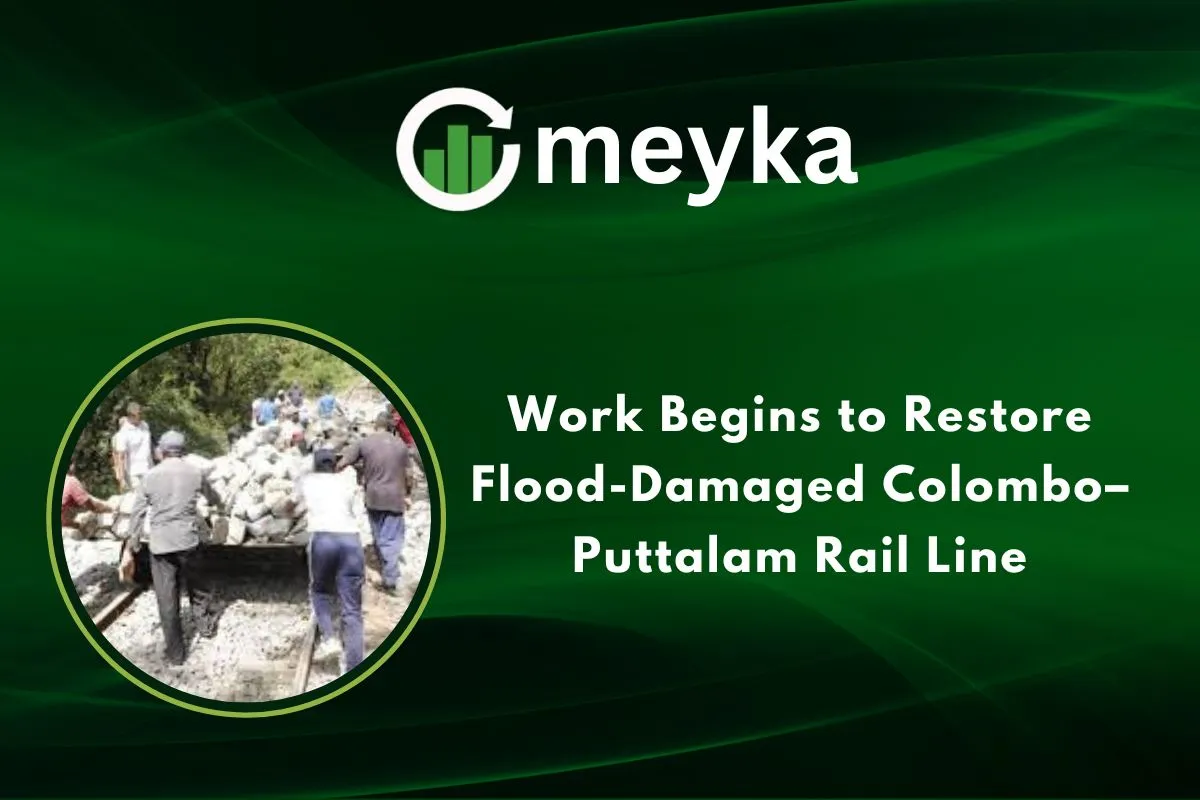
Work Begins to Restore Flood-Damaged Colombo–Puttalam Rail Line

We are seeing hope return to communities as repair crews begin urgent restoration on a damaged section of the Colombo–Puttalam railway line. The recent floods caused by heavy rains and a strong weather system severely damaged the stretch between Kuda Wewa and Nattandiya. For many people, daily commuters, small traders, and families, this rail link is more than just tracks. It is a lifeline. When floodwaters washed away tracks and undermined bridges, lives were interrupted. Schedules stopped. Businesses stalled. And many were left stranded.

Now, reconstruction has started. Crews from the Sri Lanka Railways (with support from the Sri Lanka Navy) are working day and night to rebuild the ruined sections. Their goal: to bring back safe, full rail service, and with it, a sense of normal life, movement, and economic activity.

Background: What Went Wrong

The floods that struck parts of Sri Lanka recently were intense. Rain and floodwaters reached high levels. The weather disrupted transport, roads, and railways all over. On the Colombo–Puttalam line, the section between Kuda Wewa and Nattandiya was the worst hit. Floodwater weakened the ground, and even an old iron bridge near Walahapitiya station was undermined. The result: many scheduled trains were cancelled. Some 39 “power sets” (train sets used daily for commuters) became stranded away from Colombo. That meant fewer trains returning, and many commuters were left with no reliable transport. Given how many people depend on this rail link for work, school, business, or travel, the disruption hit hard.

Restoration Efforts and Timeline

As of early December 2025, emergency restoration work has begun on the damaged stretch. Teams from the railway maintenance unit, especially the Chilaw–Bolawatta unit, are on site. The Sri Lankan Navy is helping with manpower and logistics.

Work includes:

  • Stabilizing and rebuilding weakened ground beneath the tracks.
  • Repairing or reinforcing damaged bridges and embankments.
  • Inspecting the entire stretch to ensure safety before trains return.

By December 5, 2025, repair efforts showed success: trains on the Puttalam line were once again extended up to Nattandiya, meaning the previously disrupted section was now back in operation. The authorities say full restoration will continue, and normal service should resume once all safety checks are complete and tracks are secured.

Economic and Social Impact

The damage to the rail line and its closure hit many people’s lives. Office‑goers who depended on daily trains faced hard choices. Traders and small business owners, relying on rail for moving goods, saw delays and losses. Families had longer or costlier commutes. With restoration on the way, many of these hardships are easing. Restoring rail connectivity helps goods move again, workers reach jobs, students attend school, and daily life stabilizes. Also, as trains return, pressure on alternative transport, like buses or informal transit, may reduce. That helps people avoid long, crowded, or unsafe journeys. In fact, the Sri Lanka Transport Board (SLTB) had deployed extra buses during disruptions to help affected passengers.

In short, getting the rail line back on track isn’t just about steel and bridges; it’s about restoring livelihoods and normal life for thousands.

Challenges That Remain

Repairing flood‑ravaged railways is not simple. There are still multiple hurdles:

  • The terrain along the damaged stretch was weakened, and rain and water erosion made it unstable. Crews must ensure it’s safe before resuming full service.
  • Weather remains unpredictable: further rain or storms could cause delays or new damage.
  • Funds, manpower, and coordination are under pressure; the disaster has impacted many parts of the nation’s transport network.
  • The scale of work is large: beyond just tracks, bridges, embankments, and drainage, all need careful checks.

Recovery also depends on how swiftly and efficiently authorities and maintenance teams work together, making sure safety isn’t compromised.

Why Colombo Matters

When we speak of “Colombo,” we refer not just to the city, but to a major hub of movement and connection in Sri Lanka. The Colombo–Puttalam rail link connects the capital with coastal towns, rural areas, and smaller cities. Every time a train leaves Colombo bound for Puttalam or passes through that corridor, it carries people, goods, and hopes. For workers heading to offices in Colombo, for traders sending products up and down the coast, for students and daily commuters, this rail line is vital.

Interruptions in this line ripple far beyond a broken track. That’s why restoring it fast matters: for the economy, for daily lives, for stability.

Conclusion

Right now, work is underway to bring the Colombo–Puttalam railway line back to life. Crews are rebuilding tracks, reinforcing bridges, and carefully checking safety. Trains are already running again up to Nattandiya. For many communities, this means relief. For workers, traders, and commuters, it means life can begin returning to normal. We from Sri Lanka,  and from anywhere that watches Colombo’s heartbeat, can see that restoring this rail line is more than infrastructure work. It’s about restoring mobility, hope, and everyday opportunity.

As we watch recovery move forward, it reminds us how critical strong, resilient transport links are, and how quickly lives can be disrupted when they break. Here’s to safe tracks, timely trains, and smoother journeys once again.

Disclaimer:

The content shared by Meyka AI PTY LTD is solely for research and informational purposes. Meyka is not a financial advisory service, and the information provided should not be considered investment or trading advice.

Similar Posts

Leave a Reply

Your email address will not be published. Required fields are marked *