RBA Interest Rates

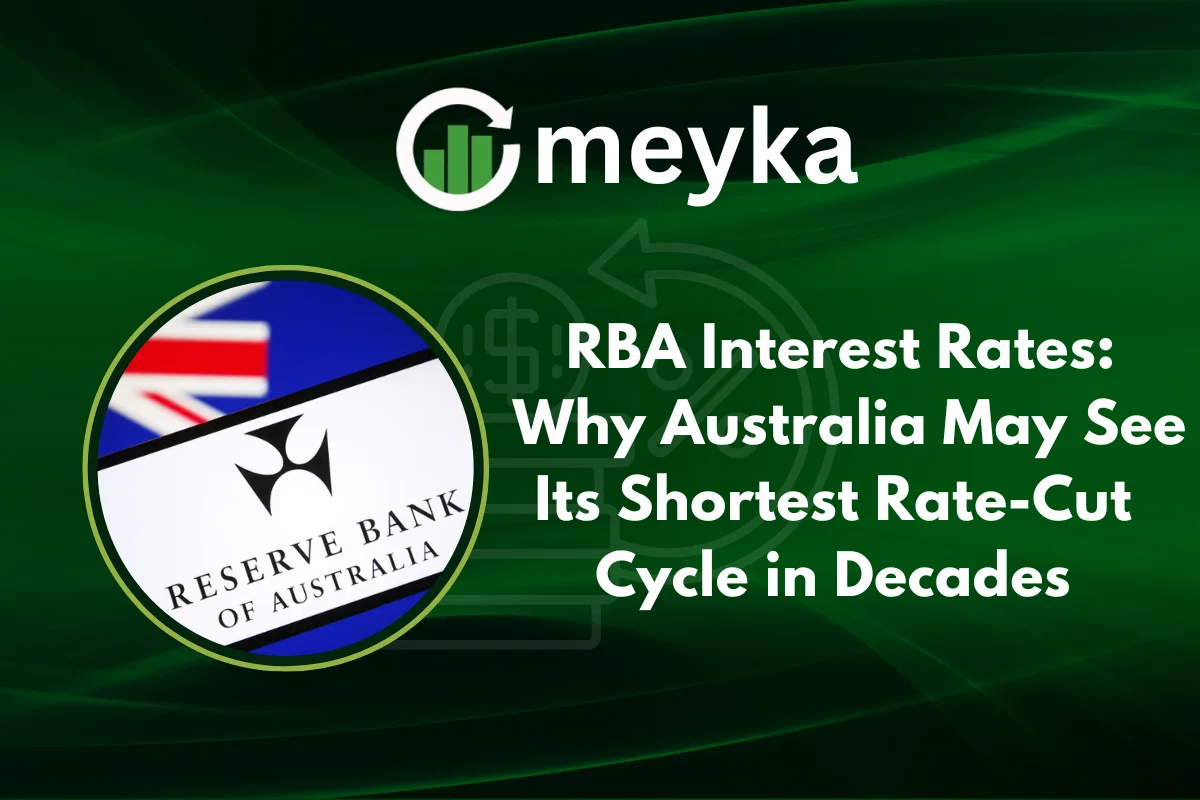
RBA Interest Rates: Why Australia May See Its Shortest Rate-Cut Cycle in Decades

The Reserve Bank of Australia (RBA) has recently wrapped up what may prove to be Australia’s shortest‑ever rate‑cut cycle, raising fresh questions about what lies ahead for borrowers, savers, and the broader economy. After three cuts in 2025, the central bank held its cash rate steady at 3.60% in December and signaled that further reductions are unlikely if inflation and economic momentum remain strong.

What Happened: A Brief Rate‑Cut Span

In early 2025, the RBA began easing after years of aggressive tightening. The bank cut the cash rate by 25 basis points in February, then followed with additional cuts in May and August, bringing the rate down from a peak of 4.35% (reached in late 2023) to 3.60%.

These cuts offered hope. Many economists and homeowners assumed this cycle might continue well into 2026, easing borrowing costs gradually. But recent inflation data and signs of persistent economic strength have tamped down expectations for further cuts. The RBA now appears ready to press pause and perhaps even reverse direction.

Why the Cut Cycle Was So Short — And Why It May Be Over

Inflation Remains Sticky

One of the main goals of the RBA is to keep inflation between 2–3%. As of late 2025, inflation has repeatedly surprised to the upside, the headline rate reached 3.8%, with core inflation remaining above the target band. When prices don’t fall as expected, central banks hesitate to cut further, to avoid fueling even more inflation.

Economic Growth and Consumer Spending Remain Robust

Strong consumer activity, rising home prices, and a healthy labour market suggest demand remains sound across many sectors. That momentum reduces the urgency for further cuts. As the RBA noted, domestic demand has been stronger than anticipated, which could keep inflation pressures alive.

A Return to Pre‑Pandemic Norms — And Caution

The rate‑cut cycle reversed only a small portion of the prior aggressive hikes. According to the analysis, the three cuts of 2025 reversed just about 23% of the mortgage payment increases inflicted between 2022 and 2023. That means borrowers still face higher borrowing costs compared with pre‑hike levels, and banks remain cautious in passing on full relief.

Combined, these signals show why the RBA considers the current easing cycle sufficient and why a longer cycle may be unlikely this time around.

What It Means for Borrowers, Homeowners, and Markets

For Mortgage Holders: Relief, but Limited

Homeowners with variable‑rate loans saw some reprieve this year as rates fell, but with cuts likely over, further relief seems unlikely soon. Those expecting sustained declines may be disappointed. Meanwhile, fixed‑rate borrowers need to consider that longer‑term rates could remain sticky.

For Savers: Still Low Returns

As interest rates plateau, returns on savings accounts and term deposits are unlikely to rise significantly. That may keep savers searching for better yield elsewhere, but with careful assessment, since higher yields often come with higher risk.

For Investors and the Stock Market

The end of further rate cuts can shift investor sentiment. Lower rates typically support asset‑heavy sectors like real estate and equities. With rates stable, not falling, markets may instead focus on economic growth fundamentals and inflation risk rather than expecting another rate‑cut driven rally. For those doing stock research, this new backdrop may influence valuations, especially in interest-rate-sensitive sectors.

For Borrowing Costs and Business Loans

Businesses expecting cheaper credit may need to revisit their plans. With rates poised to hold or even rise if inflation persists, the cost of borrowing remains higher than what many had hoped just a few months ago.

Why This Cycle Matters — And What’s Next

The brevity of this rate‑cut cycle highlights how quickly central banks must adapt to shifting economic realities. What started as hopeful relief for borrowers and markets may now be consigned to history, at least for the near term.

The RBA’s next reviews, likely in early 2026, will depend heavily on upcoming inflation data, wage growth, and labour market conditions. If inflation remains stubborn, the bank may even contemplate rate hikes. If economic momentum slows sharply, modest cuts might again come into play, but only under unusually weak conditions.

Conclusion

The story of the 2025 rate‑cut cycle shows that monetary policy can turn quickly. What looked like a gradual return to easier money has already reached its limits. The Reserve Bank of Australia has paused and for now, further rate cuts appear off the table. For Australians, that means adjusting expectations: the modest relief of 2025 may be all we get and borrowers, homeowners, and savers must now brace for a period of rate stability or even tightening.

FAQs

What does “RBA interest rates” refer to?

It refers to the cash rate, the official overnight interest rate set by the Reserve Bank of Australia. This rate influences borrowing costs, mortgage rates, savings returns, and broader economic activity.

Why did the RBA cut rates earlier in 2025 if inflation remains high?

Early in 2025, inflation had moderated slightly, and economic growth was soft. The RBA aimed to support borrowers and stimulate the economy. When signs of rebound appeared and inflation stayed sticky, the bank paused further cuts.

Could the RBA raise rates soon instead of cutting them?

Yes. Given persistent inflation and strong consumer demand, the RBA has warned of possible rate increases in 2026 if inflation does not ease. Markets are already pricing in a potential rate hike early next year.

Disclaimer:

The content shared by Meyka AI PTY LTD is solely for research and informational purposes. Meyka is not a financial advisory service, and the information provided should not be considered investment or trading advice.

Similar Posts

Leave a Reply

Your email address will not be published. Required fields are marked *