CBI Files FIR Naming Jai Anmol in ₹228 Crore Union Bank Fraud Investigation
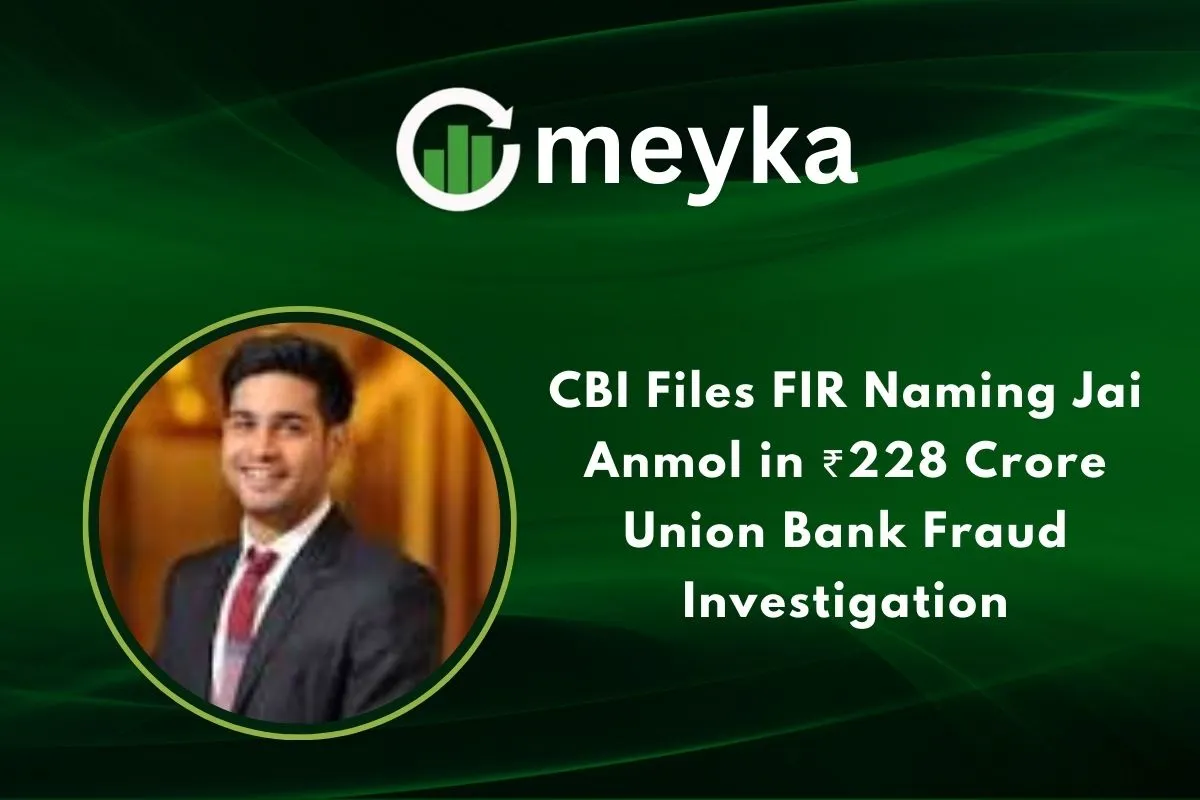
We are witnessing a major development in India’s banking world. The Central Bureau of Investigation (CBI) has filed a formal FIR against Jai Anmol Anil Ambani in connection with an alleged ₹228.06 crore fraud. The accused are said to have caused massive losses to Union Bank of India. This case has drawn attention because it involves a high-profile name and a public-sector bank.
Background of Union Bank
Union Bank of India is one of the large public-sector banks in India. Over the years, it has provided banking services across the country, including retail banking, corporate lending, home finance support, and more. Public-sector banks like Union Bank play a crucial role; they handle substantial government and citizen deposits, and also extend large loans to corporates. Because state-owned banks hold public funds, any significant fraud or default doesn’t just affect a bank’s balance sheet; it becomes a matter of public interest and trust.
Details of the Fraud
- Unauthorized Credit: RHFL allegedly misused Union Bank credit facilities in Mumbai.
- Credit Limits: Loans of ₹450 crore were granted between 2015–2019.
- Debenture Investment: Bank invested ₹100 crore in RHFL NCDs.
- Forensic Audit: 86% of some loans went to linked “PILE entities.”
- Circular Transactions: Funds appeared to return to RHFL; other flows untraceable.
- NPA Status: Declared NPA on 30 Sept 2019, later classified as fraud on 10 Oct 2024.
- Loss Claimed: Union Bank cites ₹228.06 crore wrongful loss.
Role of Jai Anmol
- Director at RHFL: Jai Anmol Anil Ambani was a director at RHFL during the alleged wrongdoing.
- Accused in FIR: Named along with former CEO Ravindra Sharad Sudhalkar for misappropriation, fund diversion, criminal conspiracy, cheating, and breach of trust.
- Misuse of Funds: Union Bank claims RHFL routed credit facility funds to shell or indirectly linked entities instead of the company’s purposes.
- Direct Responsibility: Decisions under his leadership place him directly under CBI scrutiny; first time he is named in a criminal banking fraud case.
Investigation by CBI
- FIR Lodged: CBI filed the FIR on 9 December 2025 after receiving Union Bank’s complaint.
- Charges: Include IPC sections 420 (cheating) and 120-B (criminal conspiracy), along with corruption and criminal misconduct laws.
- Search Operations: CBI conducted searches at RHFL offices, Jai Anmol’s Mumbai residence, and premises linked to Ravindra Sudhalkar. Financial records and electronic data were seized.
- Scope of Probe: Investigators are examining loan documents, audit trails, fund flows, and account books, covering 2015–2019 and possibly beyond.
Implications for Union Bank
- Financial Loss: Union Bank faces a ₹228.06 crore loss, impacting its financial health and public trust.
- Due Diligence Questions: The case highlights lapses in loan monitoring and risk management, as funds were diverted and repayments missed.
- Regulatory Scrutiny: Banking regulators may examine lending norms and internal controls for failures.
- Reputational Risk: Large-scale fraud damages confidence among depositors, investors, and the public.
Legal and Regulatory Angle
- FIR Charges: Include criminal conspiracy, cheating under IPC, plus criminal misconduct and breach of trust.
- Public Interest: Involves a public-sector bank, so regulatory oversight bodies may intervene.
- Recovery Measures: Prosecutors may attach assets, freeze bank accounts, or sell assets tied to the accused.
- Penalties: If found guilty, the accused face serious criminal penalties; companies could be barred from future bank borrowing.
Wider Banking and Economic Impact
- Industry Warning: Highlights risks of large corporate lending without proper checks.
- Stronger Controls Needed: Banks must improve credit appraisal, loan monitoring, and audit processes.
- Economic Effect: Repeated fraud or NPAs can weaken banks, limiting lending to businesses and consumers.
- Investor Confidence: May fall for conglomerate-linked companies, leading to higher borrowing costs or avoidance by lenders.
Conclusion
The FIR filed by the CBI against Jai Anmol Ambani and others in the alleged ₹228.06 crore fraud with Union Bank marks a significant turning point. It reveals deep issues of fund diversion, lack of oversight, and possible collusion in corporate lending. For Union Bank, the loss is large, but the higher cost may be the loss of trust and credibility. For India’s financial system, the case highlights the urgent need for stronger governance, transparency, and accountability in corporate lending. As things stand, the investigation is just beginning. We’ll watch closely how the CBI proceeds, how it unravels the web of transactions, how courts respond, and whether justice leads to recovery and reform. For now, this case serves as a sharp reminder: in banking, public funds deserve public‑level scrutiny.
FAQS
Jai Anmol Anil Ambani was a director at RHFL. He is named in the FIR for alleged fund diversion, cheating, and criminal conspiracy related to Union Bank loans.
The alleged fraud involves ₹228.06 crore. Funds were reportedly misused, invested wrongly, and routed through linked entities instead of being used for RHFL’s business purposes.
CBI registered an FIR on 9 December 2025. They conducted searches at offices, residences, seized financial records, and electronic data linked to the accused.
The fraud affects Union Bank’s finances and reputation. It raises concerns about loan monitoring, due diligence, and public trust in a government-owned bank handling public funds.
If guilty, the accused may face criminal penalties, fines, and jail. Their companies could also be barred from borrowing from public-sector banks in the future.
Disclaimer:
The content shared by Meyka AI PTY LTD is solely for research and informational purposes. Meyka is not a financial advisory service, and the information provided should not be considered investment or trading advice.