Schneider Electric

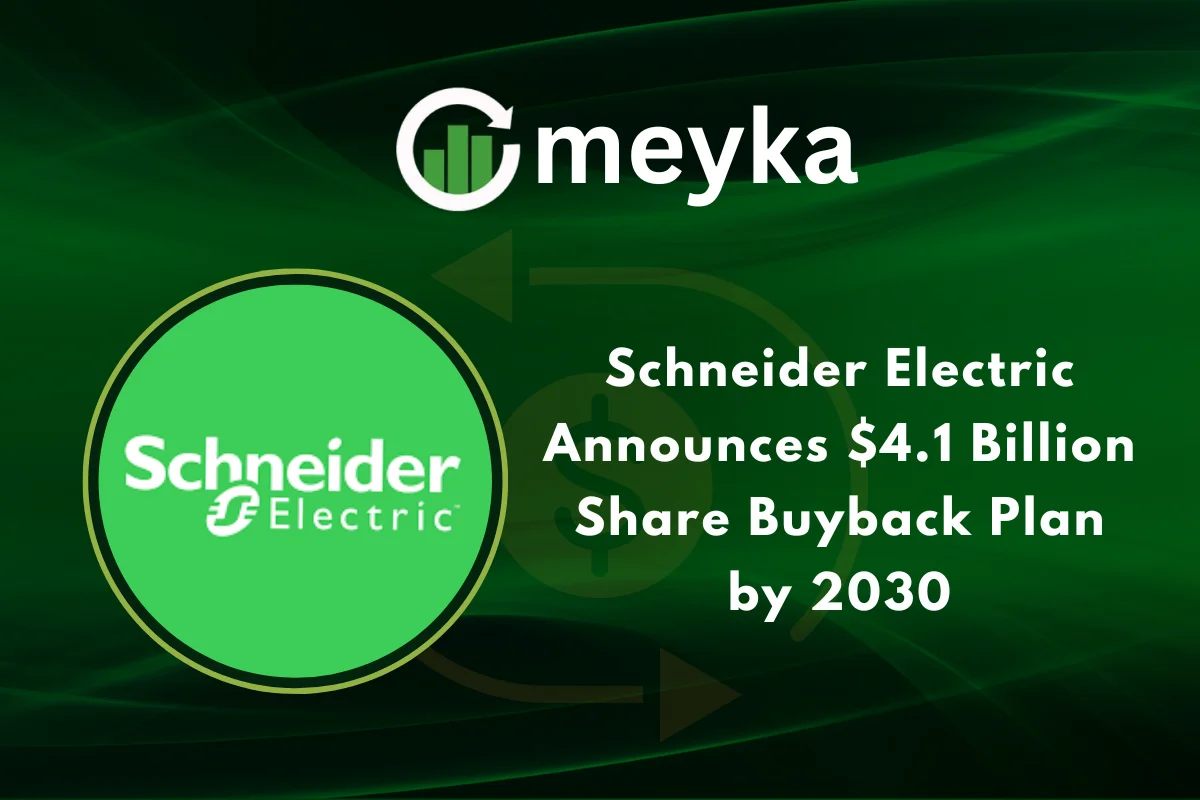
Schneider Electric Announces $4.1 Billion Share Buyback Plan by 2030

Schneider Electric, the global leader in energy management and automation, has announced a huge share buyback plan worth $4.1 billion to be carried out by 2030 as part of its long‑term strategy to boost shareholder value and strengthen its financial performance. This major announcement reflects confidence in the company’s future growth prospects and aims to reward investors while reinforcing its position in the global market.

The new buyback program, which was unveiled ahead of Schneider Electric’s Capital Markets Day in London, marks the first large‑scale repurchase initiative for the company in nearly three years.

What Is a Share Buyback and Why It Matters

A share buyback, also known as a repurchase program, is when a company buys back its own shares from the stock market. This reduces the number of shares available in the market, which can increase the value of the remaining shares. It is often viewed as a sign that company leadership is confident about the future outlook and believes the stock is undervalued.

For Schneider Electric, this strategic move sends a message that it expects sustained growth and profitability over the next decade, especially as demand for its products increases across electrification, automation, and digital services.

Key Elements of the Buyback Program

Under the new plan, Schneider Electric will repurchase up to €3.5 billion (about $4.1 billion) in shares by 2030, marking one of the most significant capital allocation commitments in its history. This program aligns with its ambition to provide strong returns to investors while setting up a clear path for future financial efficiency.

The company’s buyback plan also connects with its target to grow organically by 7% to 10% per year from 2025 through 2030, maintaining strong revenue momentum.

Stronger Earnings and Profit Goals

Beyond the buyback program, Schneider Electric also announced plans to increase its profit margins significantly. The company aims to expand its adjusted EBITA margin by 250 basis points (2.5%) between 2026 and 2030, a target that is significantly larger than previously forecast. This suggests that the company expects higher profitability as it improves operational efficiency and focuses on higher‑value products and services.

Maintaining steady organic growth rates and boosting margins helps reassure investors that the buyback is supported by financial strength and long‑term stability.

How Markets and Investors Reacted

Shares of Schneider Electric saw a positive response from investors following the buyback announcement, with stock prices rising as market confidence improved. This reaction shows that shareholders appreciate the company’s plan to return capital and improve profitability.

The buyback announcement also highlights rising interest in companies that are well-positioned in sectors benefiting from digital transformation and AI‑driven infrastructure growth. Analysts paying attention to stock research, including trends in AI stocks and industrial technology firms, have noted that Schneider Electric’s focus on data centers and electrification enhances its strategic position.

The Role of AI and Digital Infrastructure

One important theme around the buyback plan is Schneider Electric’s involvement in AI‑related infrastructure. As data centers expand globally, driven by the growth of artificial intelligence and cloud adoption, Schneider is benefiting because it provides critical electrical and digital solutions to power these facilities. This includes energy management systems, automation equipment, and digital services that help data centers run efficiently.

The company’s role in these high‑growth segments may help sustain revenue and cash flows, making the share repurchase plan more credible and performance‑driven.

Long‑Term Growth and Digital Strategy

In addition to the buyback, Schneider Electric outlined a strategy to balance long‑term growth with profitability. The company plans to increase the share of digital and software-driven revenues to more than 70% of total revenue by 2030. This reflects a broader trend of traditional industrial firms transforming into more digital and service‑oriented enterprises.

By tapping into advanced digital offerings and smart energy solutions, Schneider Electric aims to continue growing in markets such as smart buildings, renewable energy integration, and industrial automation.

Divestment Plans and Strategic Focus

Alongside the buyback, Schneider Electric also announced plans to divest certain business units accounting for between €1 billion and €1.5 billion in revenue by 2030. This move is meant to refine its focus on core businesses with higher growth potential, such as electrification and digital solutions.

Divestment can help Schneider streamline operations and redirect capital toward innovation, higher margins, and strategic priorities that align with future tech and energy trends.

What This Means for Shareholders

For investors, the share buyback plan presents several potential benefits:

  1. Increased Earnings Per Share (EPS) because fewer shares are outstanding.
  2. Potential Higher Share Value as demand rises.
  3. Improved Confidence in the company’s long‑term strategy.
  4. Stronger Cash Flow Utilization with an emphasis on returns to shareholders.

These factors make the buyback plan attractive, especially in a market where investors are looking for stable returns and growth opportunities.

Broader Impact on the Stock Market

The announcement from Schneider Electric comes at a time when investors are increasingly interested in companies that combine strong financial management with exposure to growth markets like AI, data center infrastructure, and digital services.

For stock market watchers and those tracking AI stocks, Schneider’s focus on next‑generation energy solutions positions it as a contender in sectors beyond traditional industrials. Continued improvements in efficiency and digital revenue may also attract long‑term capital from investors seeking stability and innovation together.

Looking Ahead to 2030 and Beyond

As Schneider Electric moves forward with this ambitious share buyback plan, its broader goals reflect confidence in sustained growth and evolving market leadership. By 2030, the company expects to have not only repurchased significant capital but also strengthened its core profit margins and enhanced its digital footprint.

The next five years will be crucial for execution, as Schneider navigates global economic conditions, supply chain challenges, and emerging technologies that shape the future of energy, automation, and digital infrastructure.

FAQs

What is the purpose of Schneider Electric’s $4.1 billion buyback plan

The buyback aims to return capital to shareholders, reduce outstanding shares, and improve earnings per share while showing confidence in long‑term growth prospects.

How does a share buyback affect Schneider Electric’s stock price

A buyback often increases demand for remaining shares and can support higher stock prices over time, benefiting investors through potential capital gains and improved earnings metrics.

Why is Schneider Electric focusing on digital growth and AI infrastructure

Growth in data centers and AI‑related infrastructure increases demand for electrification and automation solutions, making digital and AI technology segments key drivers of future revenue and profitability.

Disclaimer:

The content shared by Meyka AI PTY LTD is solely for research and informational purposes. Meyka is not a financial advisory service, and the information provided should not be considered investment or trading advice.

Similar Posts

Leave a Reply

Your email address will not be published. Required fields are marked *