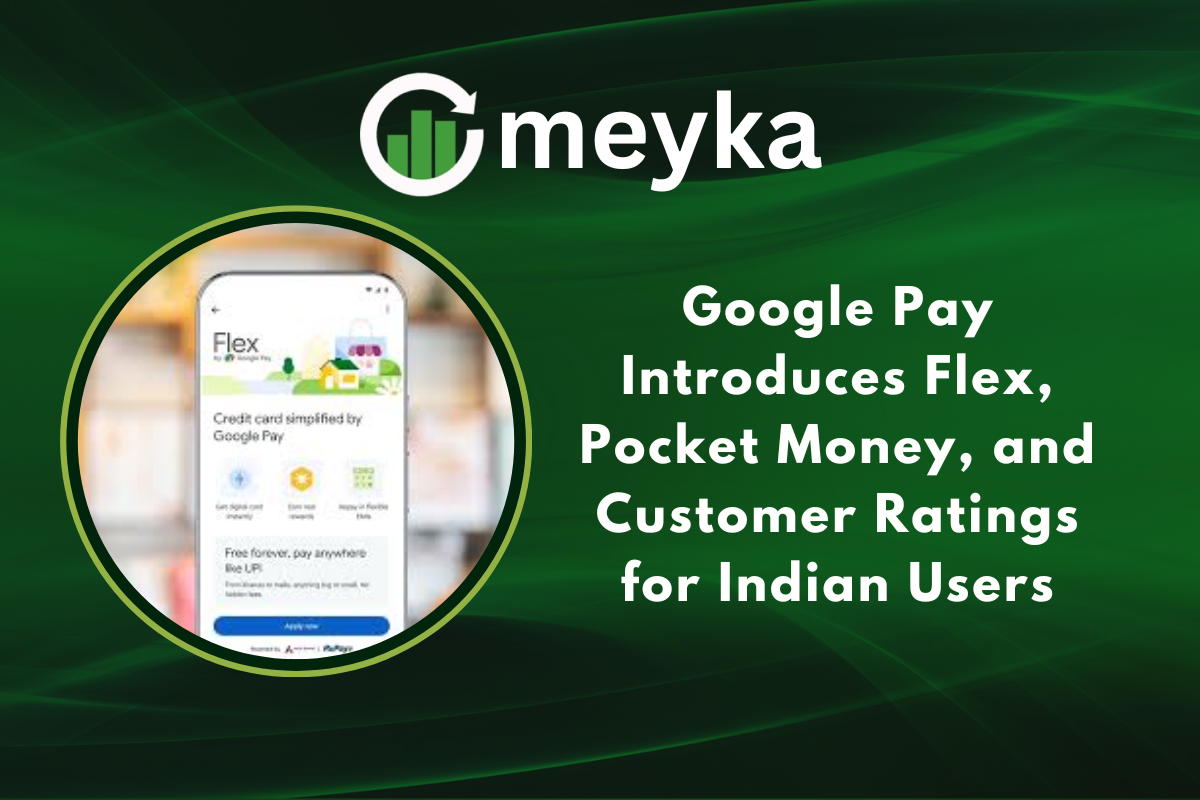
Google Pay Introduces Flex, Pocket Money, and Customer Ratings for Indian Users
Google Pay Expands Services in India
Google Pay on Wednesday unveiled a set of new features for its Indian users, including Flex, Pocket Money, and customer ratings, aiming to expand digital payments, improve user experience, and deepen consumer credit offerings.
The new features are designed to provide greater flexibility in payments, encourage responsible spending among younger users, and enable informed decision-making when transacting with merchants.
Why is this update significant for Indian users? With the rapid adoption of digital payments in India, Google Pay is positioning itself not just as a payment app, but as a comprehensive financial platform that addresses credit, payments, and trust between users and merchants.
Flex: A New Way to Pay
Flex is a buy-now-pay-later-style feature that allows users to split their purchases into flexible payment installments. This service is linked to UPI and Google Pay’s existing credit partnerships, giving users the ability to manage their cash flow without relying on traditional credit cards.
How does Flex work?
- Users select Flex at checkout.
- The purchase is split into easy monthly installments.
- Payments are automatically debited from the linked bank account.
This feature will be particularly useful for millennials and Gen Z, who prefer digital-first solutions and often rely on short-term financing options.
Why is Flex important?
The rise of AI-driven credit scoring and UPI integration allows Google Pay to provide credit efficiently while managing risk. The feature also aligns with India’s government push for digital financial inclusion, enabling users without traditional credit histories to access flexible credit options.
Pocket Money: Teaching Financial Responsibility
Pocket Money is a feature aimed at younger users, including teens and college students. It allows parents to allocate a fixed monthly allowance to their children, which can be spent via Google Pay for approved transactions.
How does Pocket Money work?
- Parents can set limits on total spending.
- Certain categories, like groceries, food, or online services, can be allowed or restricted.
- Real-time notifications are sent to parents for each transaction.
Why is Pocket Money useful?
Pocket Money is designed to teach budgeting and financial responsibility in a safe digital environment. It also helps families reduce reliance on cash and provides a transparent method for tracking expenses.
Customer Ratings: Building Trust in Payments
Another notable addition is customer ratings, which let users rate merchants and service providers after transactions. These ratings help other users make informed decisions and encourage merchants to maintain high service standards.
How do customer ratings work?
- After completing a transaction, users can leave a star rating and optional feedback.
- Ratings are aggregated to create an overall merchant score visible to all users.
- Google Pay monitors reviews to identify fraudulent or poor-quality service providers.
Why are customer ratings important?
Ratings foster transparency and trust in the digital payments ecosystem. By combining ratings with AI-driven fraud detection, Google Pay aims to reduce scams and enhance user confidence in online payments.
Google Pay and Digital Credit in India
These new features are part of Google Pay’s broader strategy to deepen consumer credit and commerce in India. According to Google’s blog, the company is integrating UPI-linked credit cards and exploring AI-based credit scoring to make financial services more accessible.
What sets Google Pay apart?
- AI-driven risk assessment allows instant approval for Flex payments.
- Seamless integration with UPI ensures low friction transactions.
- The combination of Flex, Pocket Money, and customer ratings creates a holistic financial ecosystem.
Expert Opinion:
Financial analysts suggest that Google Pay’s strategy aligns with global trends where payment apps are evolving into digital wallets, lending platforms, and consumer trust ecosystems. This move will likely enhance user retention and increase transaction volume.
How to Access These Features
For Users:
- Update the Google Pay app to the latest version.
- Navigate to the new “Finance” section to access Flex and Pocket Money.
- Start rating merchants after transactions to build community trust.
For Merchants:
- Google Pay encourages merchants to maintain high standards, as ratings influence customer decisions.
- Merchants can monitor their ratings and respond to feedback directly within the app.
Conclusion: Google Pay Strengthens Its Position in India
With the launch of Flex, Pocket Money, and customer ratings, Google Pay is transforming from a simple payment app into a comprehensive financial ecosystem for Indian users. These features address credit, payments, financial education, and trust, all while leveraging India’s growing UPI infrastructure.
Experts predict that this expansion will further consolidate Google Pay’s market leadership in India, boost transaction volumes, and strengthen consumer engagement. For users, this means smarter spending, safer payments, and more flexible credit options – all in a single app.
Overall, Google Pay’s new updates mark a significant step toward a more integrated and user-friendly digital payment ecosystem in India.
FAQ’S
Flex is currently available for selected merchants and UPI-linked payments, with gradual expansion planned.
Yes, notifications are sent immediately after each transaction.
Yes, aggregated ratings and reviews help other users make informed decisions.
Google Pay uses AI-based risk assessment; responsible repayment may positively influence credit profiles.
No additional fees are charged for using Flex installments or Pocket Money allowances.
Disclaimer
The content shared by Meyka AI PTY LTD is solely for research and informational purposes. Meyka is not a financial advisory service, and the information provided should not be considered investment or trading advice.