ByteDance Plans $23 Billion AI Infrastructure Investment by 2026, FT Report Signals a New Phase for AI Stocks
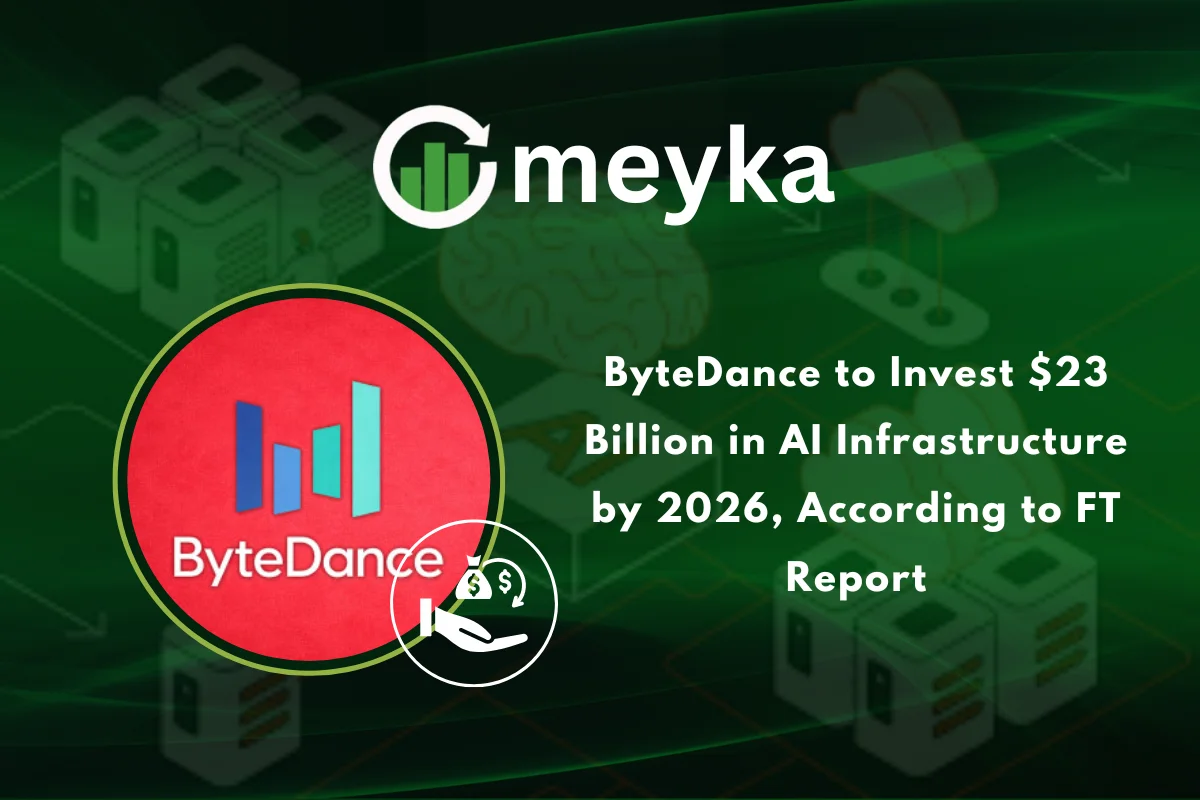
We are witnessing a defining moment in the global technology sector as ByteDance prepares to invest nearly $23 billion in artificial intelligence infrastructure by 2026, according to a report cited by the Financial Times. This bold commitment places the company among the most aggressive investors in AI capacity worldwide and sends a strong signal to the broader stock market about where future growth is expected to come from.
This investment is not just about expanding servers or buying chips. It reflects a deeper shift toward long term dominance in advanced computing, generative AI, recommendation systems, and large scale data processing. For investors tracking AI stocks, this development offers important clues about capital flows, competitive strategy, and future valuation trends.
Why This Investment Matters for the Technology Sector
The scale of the planned spending stands out even in a market already crowded with large AI budgets. Global technology leaders are racing to secure computing power, data centers, and specialized semiconductors. We see this race intensifying as AI models grow larger and more complex.
By allocating $23 billion over the next few years, ByteDance is signaling that AI is no longer an experimental add on but the backbone of its future operations. This level of spending rivals the annual AI budgets of major US based tech firms, highlighting how competition in this space is becoming truly global.
For stock research analysts, such capital allocation often marks a shift in company priorities. It suggests confidence in long term returns from AI driven products and services, even if short term margins come under pressure due to high upfront costs.
How AI Infrastructure Supports Core Products
We understand that AI infrastructure directly fuels the platforms that have made the company a global force. Advanced recommendation engines, content moderation systems, language translation tools, and advertising optimization models all depend on massive computing resources.
As user bases grow and content volume expands, older infrastructure becomes insufficient. New AI focused data centers allow faster model training, real time personalization, and improved user engagement. This, in turn, supports stronger monetization over time.
The investment also allows the company to reduce reliance on third party cloud providers. Owning infrastructure improves cost control, data security, and operational flexibility, which are critical in a world of tightening data regulations.
Implications for the Global Stock Market
From a broader stock market perspective, this move reinforces a key theme we are seeing across sectors, AI infrastructure is becoming a primary driver of capital spending. Hardware makers, chip designers, power suppliers, and data center operators all stand to benefit indirectly.
Investors focused on AI stocks often look for signals of sustained demand. A multiyear spending plan of this size provides visibility into future orders for components like advanced processors, networking equipment, and cooling systems.
At the same time, markets may react cautiously in the short term. Large investments can pressure cash flow and raise questions about returns. However, long term oriented investors tend to view such spending as essential for staying competitive in a fast moving industry.
Competitive Pressure and Strategic Timing
Timing plays a critical role in this decision. AI development cycles are accelerating, and delays in infrastructure can lead to lost market share. We see companies that hesitate falling behind peers who secure capacity early.
By committing now, ByteDance positions itself to scale new AI features faster than rivals. This includes more advanced content creation tools, smarter advertising solutions, and improved safety systems. These capabilities strengthen the ecosystem and make platforms harder to replace.
In competitive terms, this investment raises the bar for others. Smaller firms may struggle to match this level of spending, potentially leading to consolidation or partnerships as the cost of entry rises.
Regulatory and Geopolitical Considerations
Any discussion of large scale AI investment must consider regulation. Data sovereignty, cross border technology rules, and national security concerns all influence where and how infrastructure is built.
We note that spreading investment across multiple regions can help manage these risks. It also aligns with growing demands from regulators for local data processing and transparency in AI systems.
For stock research professionals, regulatory clarity often affects valuation models. Companies that proactively adapt infrastructure to meet local rules may face lower long term compliance risks.
Financial Discipline and Long Term Returns
While the headline figure is striking, what matters most is execution. We expect disciplined capital deployment over several years rather than a single surge of spending. This approach allows adjustments based on market conditions and technology progress.
Returns on AI infrastructure typically come through improved efficiency, higher engagement, and new revenue streams. Advertising optimization alone can significantly lift margins when powered by more accurate models.
We believe that long term investors will focus less on the cost itself and more on how effectively these assets are used. Strong utilization rates and visible product improvements will be key metrics to watch.
What This Means for Investors Watching AI Stocks
For those tracking AI stocks, this development reinforces the importance of looking beyond pure software narratives. Infrastructure, hardware, and energy are becoming integral parts of the AI value chain.
We suggest investors pay attention to companies supplying advanced chips, data center services, and AI optimized hardware. Large commitments like this one often ripple through multiple layers of the market.
It also highlights the value of diversified exposure. AI growth is not limited to one company or region, and capital spending trends can offer early signals of where opportunities may emerge.
Looking Ahead to 2026 and Beyond
As we look toward 2026, the success of this investment will depend on how well AI capabilities translate into user value and revenue growth. The pace of innovation suggests that demand for computing power will continue to rise.
We expect AI to become more deeply embedded in everyday digital experiences, from content discovery to commerce and communication. Infrastructure built today will support those experiences for years to come.
This move underscores a simple reality, leadership in AI increasingly depends on who is willing and able to invest at scale.
FAQs
he investment supports advanced AI models, faster innovation, and long term competitiveness across digital platforms.
Large AI spending boosts demand across the technology supply chain and signals sustained growth in AI related sectors.
High upfront costs may pressure margins initially, but long term returns are expected through efficiency and revenue growth.
Disclaimer:
The content shared by Meyka AI PTY LTD is solely for research and informational purposes. Meyka is not a financial advisory service, and the information provided should not be considered investment or trading advice.