‘Cost‑conscious’ Shoppers Expected to Spend £3.6bn in Boxing Day Sales – Survey
Boxing Day Sales and Consumer Spending in 2025
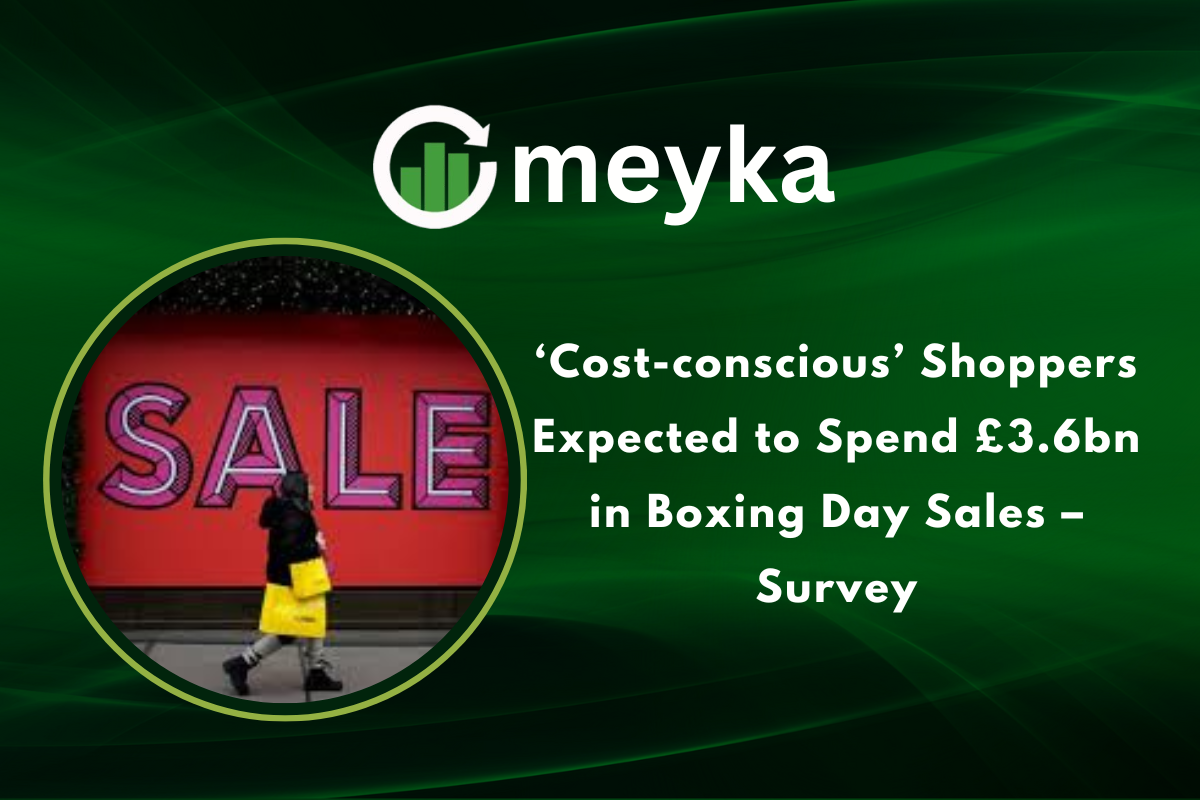
This year’s Boxing Day Sales in the United Kingdom are showing a shift in shopping behaviour as cost‑conscious consumers prepare to spend a total of £3.6 billion, according to a major survey of UK shoppers. The figure is lower than last year’s £4.6 billion forecast, but it highlights how shoppers are adapting their buying habits amid ongoing cost pressures.
The Boxing Day Sales remain a crucial retail moment for consumers and retailers alike, following the festive season and forming part of the retail “golden quarter”, which includes Black Friday, Cyber Monday, and post‑Christmas discount periods.
Before we explore deeper, here’s a snapshot of what experts and shoppers are saying today.
What Are the Predicted Numbers for Boxing Day Sales 2025?
Total Expected Spend on Boxing Day Sales
Analysts from Barclays Consumer Spend research suggest that UK shoppers are on track to spend about £3.6 billion in this year’s Boxing Day Sales, down from previous forecasts of £4.6 billion.
This estimated drop reflects the cost‑of‑living pressures that are influencing household budgets across the UK. But even with these pressures, the Boxing Day tradition remains significant for bargain hunters.
Average Spend Per Shopper
The average consumer is expected to spend about £253 in the Boxing Day Sales, up from £236 in 2024.
Why is the average spend rising despite lower overall participation?
This tells us that while fewer people are shopping, those who do are spending slightly more per person, likely focused on key items they feel are worth the cost.
Who Is Shopping in this Year’s Boxing Day Sales?
Reduced Participation but Higher Individual Spend
Only 26 per cent of people surveyed plan to take part in this year’s Boxing Day Sales, compared with 28 per cent last year. This suggests fewer shoppers overall, but those who do shop are planning to spend more on average.
“Budget pressures are affecting spending habits,” says the report, noting that 69 per cent of respondents indicated that rising living costs will influence their Boxing Day purchases.
This ratio has changed sharply from last year’s 47 per cent, highlighting that cost concerns have become a dominant factor in retail decision‑making.
Key Categories Shoppers Are Targeting in Boxing Day Sales
Most Popular Purchase Categories
According to the survey, the following categories top the shopping lists during Boxing Day Sales:
- Clothing, shoes, and accessories are top priorities for many shoppers.
- Food and drink items remain in demand.
- Beauty products and homeware continue to attract attention.
- Discounted festive and Christmas items also make the list for many bargain hunters.
These categories reflect both traditional Boxing Day bargains and the areas where consumers feel they can get the most value for their money.
Some Shoppers Buy Only Essentials
A noticeable trend this year is that 25 per cent of people surveyed said they will only buy what they consider essential items rather than big‑ticket or discretionary purchases in the Boxing Day Sales.
What does this mean for retailers? It suggests a more targeted spending pattern, where shoppers prioritise necessity over luxury.
How Technology Is Influencing Boxing Day Sales Behaviour
Use of AI and Smart Tools
Retailers and consumers are increasingly turning to technology to make smarter shopping decisions. Around 37 per cent of people surveyed said they use AI or smart tools while preparing for Boxing Day Sales.
Among younger shoppers aged 18 to 34, this number rises to 53 per cent.
Why are shoppers using AI?
- To research products
- To compare prices and deals
- To generate gift ideas
- To set personalised price alerts
About 72 per cent said AI tools save time by helping narrow down the best deals, while 50 per cent expressed concern that AI might encourage overspending.
This trend shows how digital innovation is changing the way households approach Boxing Day Sales, making bargain hunting faster and more efficient.
Consumer Sentiment and the Cost of Living
Why Are Shoppers More Cost‑Conscious?
The survey highlights that a growing number of shoppers feel financially stretched, with cost pressures appearing as the main factor holding back spending.
This sentiment reflects broader economic conditions in the UK, where inflation and household costs have affected disposable income across many sectors.
Is this trend unique to the UK?
Similar cost‑conscious behaviour is being seen in other markets, such as Australia, where consumers are also projected to spend heavily during their own Boxing Day Sales period.
Overall, this emphasises how economic pressures shape consumer habits during major sales events.
Boxing Day Sales: Online vs In‑Store Shopping Trends
Shifting Patterns in Retail Channels
While online shopping plays a major role during Boxing Day Sales, many consumers still value in‑store experiences.
Statistics from Barclays and industry sources suggest that about half of all sales are expected to occur in physical stores, even as online channels grow.
Retailers have noticed that shoppers enjoy the traditional high street atmosphere but also appreciate the convenience of browsing deals online.
Why does this matter?
This trend highlights the changing landscape of retail, where physical and digital channels are equally important to Boxing Day Sales success.
Is the Boxing Day Sales Trend Declining or Evolving?
Has Shopping Behaviour Changed Over Time?
Boxing Day Sales have long been a major event in the UK retail calendar. However, modern patterns show that some shoppers are spreading their purchases across the wider season, including Black Friday and pre‑Christmas deals, rather than waiting for the Boxing Day Sales alone.
Consumer discussions on social forums show mixed sentiment, with some people questioning whether traditional Boxing Day Sales still offer the best bargains, especially when discounting begins earlier.
This blending of sales events suggests that while Boxing Day remains important, its timing and impact are evolving with consumer habits and retail competition.
Social Media Snapshot: Boxing Day Sales Excitement
Here are some real reactions from social media about Boxing Day Sales:
Australian shoppers are excited about local sales activity:
And from UK shoppers sharing their finds and experiences:
These posts show how people across the world share anticipation, bargains, and shopping journeys during the Boxing Day Sales season.
Retailer Perspective: Boxing Day Sales Strategies
How Retailers Prepare for the Big Day
Retailers often rely on Boxing Day Sales to clear excess stock after Christmas, boost turnover, and offer deep discounts that attract bargain hunters. Some retailers promote deals early or extend sales events, encouraging consumers to shop before or after the actual day.
Examples of early deals include tech discounts, fashion markdowns, and homeware promotions, all aimed at drawing people into stores or websites during the festive period.
Luxury Brands and Special Offers
Some businesses also use Boxing Day Sales to promote premium products, such as designer fashion and branded accessories, often with significant price cuts.
This strategy caters to both price‑conscious shoppers and those looking for premium deals they may not find elsewhere.
Conclusion: Key Takeaways on Boxing Day Sales 2025
This year’s Boxing Day Sales reflect a balanced mix of tradition and modern behaviour. While overall spending is lower than last year, average shopper spend is slightly higher, indicating a focus on value buys and essential items.
The continued use of AI tools for deal discovery shows how technology is reshaping shopping patterns, and the mixture of online and in‑store engagement highlights the evolving nature of the sales landscape.
Although consumers are more cost‑conscious than ever, Boxing Day Sales remain a significant retail event, offering an opportunity for savvy shoppers to make the most of seasonal discounts while adapting to changes in the economy and spending trends.
By understanding why spending patterns are changing and how shopping behaviour is evolving, consumers and retailers alike can navigate this year’s Boxing Day Sales with confidence and clarity.
FAQ’S
Boxing Day Sales are post‑Christmas retail events where stores and online platforms offer deep discounts to attract shoppers looking for bargains and value deals.
Spending is expected to be lower due to cost‑of‑living pressures, with many consumers prioritising essentials and mindful purchases.
Yes, online sales are growing as consumers increasingly use digital platforms and AI tools to compare prices and find the best offers.
Popular categories include clothes, shoes, accessories, food and drink, beauty products, and homeware items.
Definitely. Despite changes, Boxing Day remains a key sales event for the UK retail calendar, combining tradition with modern shopping trends.
Disclaimer
The content shared by Meyka AI PTY LTD is solely for research and informational purposes. Meyka is not a financial advisory service, and the information provided should not be considered investment or trading advice.