Central Bank Governor

Iran Names New Central Bank Governor Amid Historic Currency Fall and Nationwide Protests

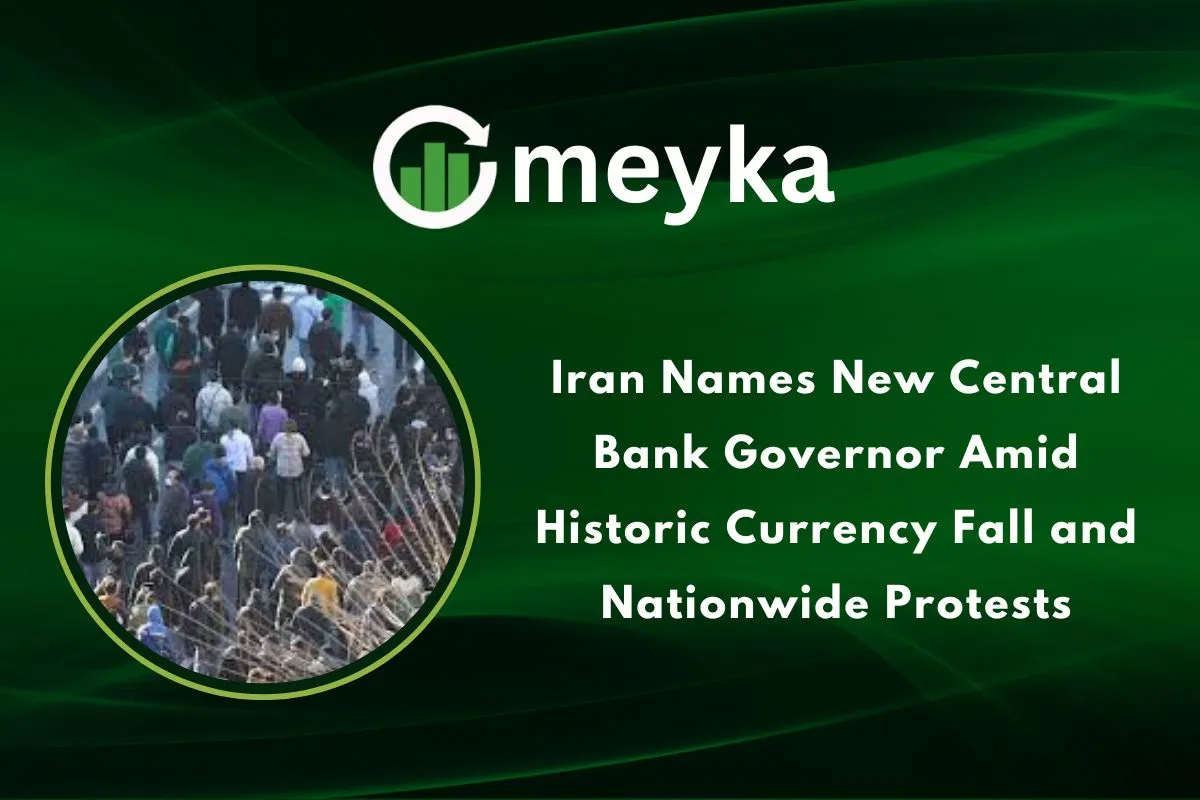
We are witnessing a pivotal moment in Iran’s economic history. Iran has just named a new Central Bank Governor at a time when its currency, the rial, has hit record lows. This comes amid large protests spreading across cities like Tehran, Isfahan, and Shiraz. People are demanding action as everyday costs rise and savings shrink.

Background: Economic and Political Context

  • Rial Collapse: Currency dropped to 1.38M rials/USD from 430K n 2022.
  • High Inflation: Prices rose 40%+, hitting food, fuel, and medicine.
  • Low Salaries: Wages lag behind rising costs; daily life is tough.
  • Sanctions & Politics: U.S. sanctions and slow reforms worsen the crisis.
  • Protests: Shops in Tehran’s Grand Bazaar closed amid anger.

New Central Bank Governor: Profile and Mandate

  • Appointment: Abdolnasser Hemmati named Central Bank Governor on Dec 31, 2025. Replaces Mohammad Reza Farzin.
  • Experience: Led the Central Bank 2018–2021; former economy minister; expert in sanctions and currency management.
  • Mandate:
    • Control inflation
    • Stabilize the rial
    • Fix banking imbalances
    • Reduce currency market corruption
  • Challenge: Goals reflect Iran’s severe economic stress and are not easy to achieve.

Challenges Facing the New Governor

  • Tough Job: Hemmati takes over one of Iran’s hardest roles in decades.
  • Domestic Pressures: Sharp real drop erodes savings; high prices squeeze household budgets; low trust in banks.
  • Political Constraints: The government faces public anger and faction pressure; it must balance reforms with stability.
  • International Factors: U.S. sanctions limit access to foreign currency; oil revenue remains restricted; diplomatic tensions hurt investment.
  • Expert Warning: Reversing the rial’s fall will take time and strong policy support.

Economic Impact and Investor Concerns

  • Domestic Strain: Rial collapse makes imports more expensive; essential goods cost more, squeezing household budgets.
  • Banking Risk: Mismanagement and low confidence affect banks; fixing imbalances is key to stability.
  • Investor Sentiment: Domestic and international investors remain cautious; weak currency and unrest make long-term plans risky.
  • Price Stability: Controlling inflation may require tight monetary policy; short-term growth could slow to restore trust in the currency.

Potential Policy Directions and Implications

  • Short-Term Actions: Tighten monetary policy; manage foreign exchange rates; increase transparency to reduce corruption.
  • Medium-Term Strategies: Banking and financial reforms; strengthen trade cooperation; explore currency reform like redenomination.
  • Broader Effects: Could ease inflation, stabilize the rial, and boost public confidence; may slow spending and tighten credit temporarily.
  • Political Impact: Economic stabilization could reduce protests, but real change needs consistent progress, clear communication, and trust-building.

Conclusion

Iran’s appointment of a new Central Bank Governor marks a key moment in a deep economic crisis. With inflation high and the rial in free fall, the stakes could not be higher. The appointment of Abdolnasser Hemmati is a signal that Iran’s leadership wants change. But whether this will bring stability depends on tough economic decisions and public trust. This transition is more than a leadership change; it’s a test of Iran’s ability to handle deep economic stress while responding to people’s needs. The world will be watching closely.

FAQS

Who is Iran’s new Central Bank Governor?

Abdolnasser Hemmati was appointed on December 31, 2025, replacing Mohammad Reza Farzin.

Why was a new governor appointed?

The previous governor resigned amid the rial’s historic fall and rising public protests.

What are Hemmati’s main responsibilities?

He must stabilize the rial, control inflation, fix bank imbalances, and reduce currency market corruption.

What challenges does he face?

Domestic inflation, political pressure, U.S. sanctions, limited oil revenue, and low public trust in banks.

Disclaimer:

The content shared by Meyka AI PTY LTD is solely for research and informational purposes. Meyka is not a financial advisory service, and the information provided should not be considered investment or trading advice.

Similar Posts

Leave a Reply

Your email address will not be published. Required fields are marked *