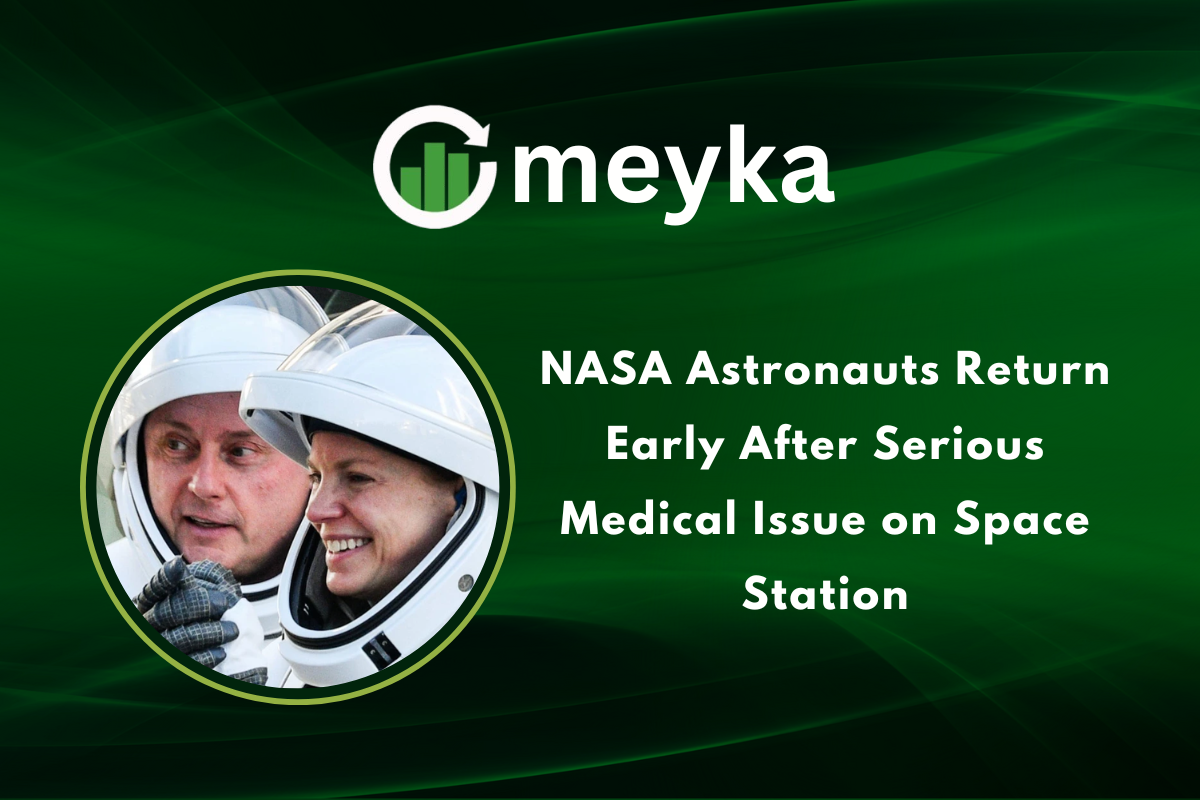
NASA Astronauts

NASA Astronauts Return Early After Serious Medical Issue on Space Station

The world of space exploration faced a serious and rare moment as NASA Astronauts were brought back early from the International Space Station after a medical issue raised urgent concerns, according to official reports. NASA confirmed that the decision was made as a precaution to protect crew health, mission safety, and long-term operations aboard the orbiting laboratory.

This unexpected development drew global attention, not only because astronaut health emergencies are rare, but also because it highlights the risks humans still face while living and working in space. While NASA officials stressed that the situation was handled calmly and professionally, the early return marks a critical reminder that space travel remains unpredictable.

Why did NASA act so quickly? The answer lies in strict medical protocols, real-time health monitoring, and the priority placed on astronaut safety above all else.

NASA Astronauts and the Medical Issue on the Space Station

NASA officials confirmed that a medical concern involving one crew member prompted discussions about an early return. While specific medical details were not disclosed due to privacy rules, senior space agency leaders said the issue required closer observation and access to full medical facilities on Earth.

According to Reuters, NASA carefully evaluated multiple scenarios before deciding to shorten the mission. The agency emphasized that the situation was not life-threatening but serious enough to justify a return under controlled conditions.

A former NASA official shared insight into how these decisions are made in real time, noting how safety systems and medical experts work together during such moments.

NASA astronauts undergo intense medical screening before launch, but space can still affect the human body in unexpected ways.

Why Medical Issues Are Taken Seriously in Space

Health problems in space are different from those on Earth. Microgravity affects muscles, bones, fluids, vision, and even the immune system. Even minor symptoms can become major risks if not treated quickly.

So why not treat the astronaut on the station itself? The ISS has medical equipment, but it cannot replace full hospitals on Earth. If symptoms suggest possible complications, NASA prefers caution.

Former astronaut Chris Hadfield explained in a public comment that early action can prevent bigger problems later, especially during long missions.

This mindset reflects NASA’s long-standing approach to prevent risk before it grows.

How NASA Astronauts Returned Early Safely

The early return was carefully planned using existing spacecraft already docked at the ISS. NASA confirmed that all safety checks were completed before undocking.

Steps Taken Before the Return

• Medical teams monitored the astronaut around the clock
• Flight surgeons reviewed real-time health data
• Mission managers coordinated with international partners
• Landing zones and recovery teams were placed on alert
• Weather conditions were reviewed for a safe re-entry

These steps ensured that the return happened smoothly, without risk to other crew members or ongoing station operations.

NASA Astronauts and International Space Station Operations

Even with the early return, NASA confirmed that the International Space Station remains fully operational. Other crew members continue their scientific work, maintenance tasks, and research projects.

The station is designed to handle crew rotations and unexpected changes. International partners were informed immediately, and schedules were adjusted without major disruptions.

The BBC reported that such flexibility is built into ISS planning to deal with emergencies, technical issues, or health concerns.

This incident showed that years of preparation and teamwork allow space missions to adapt quickly.

Health Monitoring of NASA Astronauts in Orbit

NASA astronauts wear sensors that track heart rate, sleep patterns, oxygen levels, and physical activity. These systems send data back to Earth for analysis by medical experts.

Why is this important? In space, symptoms can appear differently. Dizziness, fatigue, or vision changes may signal deeper issues linked to fluid shifts or pressure changes.

Doctors on Earth can recommend changes to exercise routines, diet, or workload. If those steps are not enough, mission plans can change, as seen in this case.

What Happens After NASA Astronauts Return to Earth

Once back on Earth, astronauts undergo immediate medical checks. Doctors evaluate muscle strength, balance, vision, and overall health.

Post Return Medical Process

• Immediate health screening after landing
• Detailed scans and blood tests
• Monitoring for bone and muscle loss
• Vision and neurological checks
• Recovery plans and rehabilitation

These steps help NASA understand what caused the issue and how to prevent similar cases in the future.

Impact on Future NASA Missions

This early return may influence how future missions are planned, especially as NASA prepares for longer flights to the Moon and Mars.

Long missions increase medical risks. NASA continues to study how the human body reacts to long-term spaceflight so crews can stay healthy far from Earth.

Why does this matter now? Because upcoming missions under the Artemis program will involve longer stays and greater distances from Earth.

Public and Media Response to the NASA Astronauts’ Return

The news quickly spread across global media. Many praised NASA for acting quickly and responsibly.

A major news outlet shared a detailed update emphasizing transparency and calm communication from NASA officials.

Public reaction was largely supportive, with many expressing respect for astronauts who face risks in the name of science.

What the YouTube Footage Reveals

NASA also shared visuals explaining how astronauts prepare for emergency returns. A related video helps viewers understand how spacecraft land safely even during early mission changes.

The footage highlights the training astronauts receive for unexpected situations.

Are Medical Emergencies in Space Common

Medical emergencies in space are rare, but not impossible. Minor issues like headaches, nausea, or muscle pain are more common, while serious cases are unusual.

NASA designs missions assuming that something unexpected could happen. Backup plans are always in place.

This event reinforces that safety systems work as intended.

Expert View on NASA Astronaut Safety

Experts agree that NASA handled the situation correctly. Acting early reduces risk and protects both the individual astronaut and the mission as a whole.

Medical experts also stress that sharing lessons from such cases improves future safety. NASA continues to refine health protocols using data from every mission.

Why This Incident Matters for Space Exploration

This early return reminds us that space is still a challenging environment. Technology is advanced, but the human body remains vulnerable.

The incident also shows that space agencies are willing to change plans to protect people, even when missions are expensive and complex.

That approach builds trust and supports the future of human spaceflight.

Conclusion

The early return of NASA Astronauts after a serious medical issue on the Space Station highlights both the risks of space travel and the strength of NASA’s safety systems. Quick decisions, expert monitoring, and careful planning ensured a safe outcome.

While the situation raised concerns, it also showed that space agencies are prepared for the unexpected. As human missions grow longer and more ambitious, lessons from this event will play a key role in keeping astronauts safe.

Space exploration continues, guided by science, caution, and respect for human life.

Disclaimer

The content shared by Meyka AI PTY LTD is solely for research and informational purposes. Meyka is not a financial advisory service, and the information provided should not be considered investment or trading advice.

Similar Posts

Leave a Reply

Your email address will not be published. Required fields are marked *