Nexperia

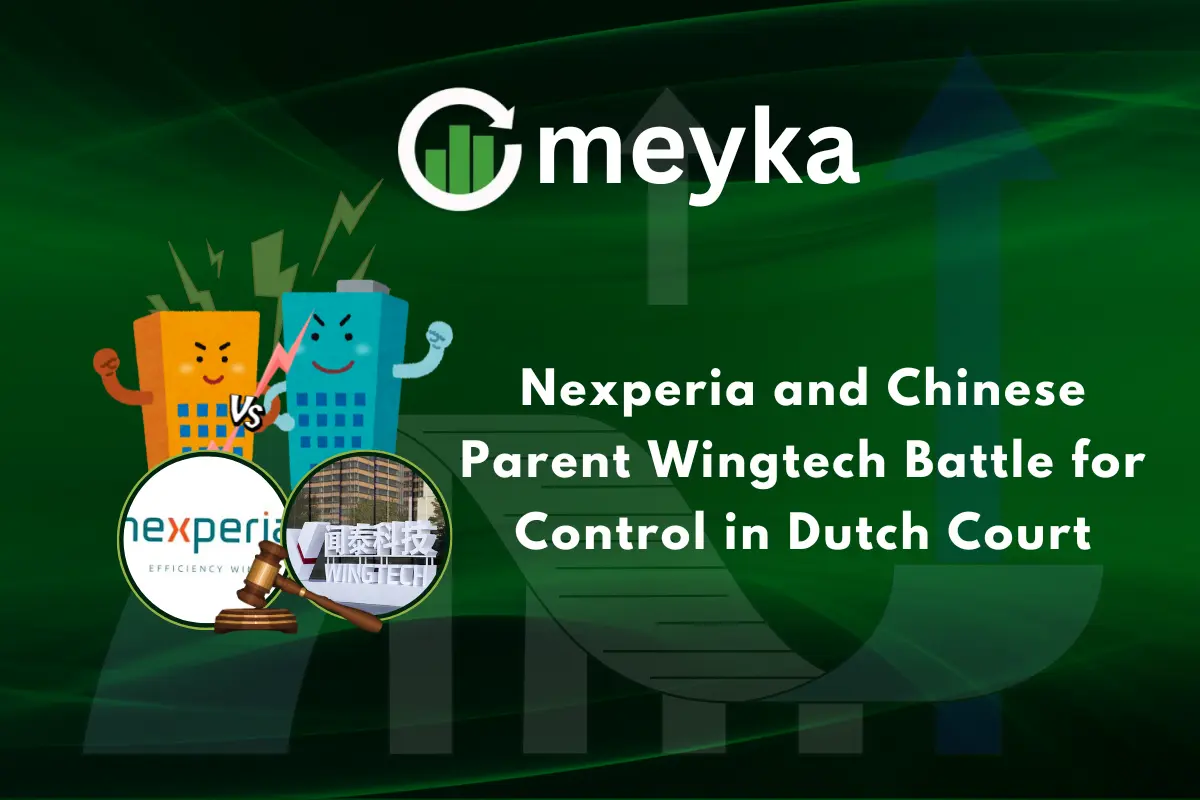
Nexperia and Chinese Parent Wingtech Battle for Control in Dutch Court

On January 14, 2026, a Dutch courtroom became the center of a global technology dispute. At the heart of the case is Nexperia, a key semiconductor maker based in the Netherlands, and its Chinese parent company, Wingtech Technology. What looks like a corporate fight is actually much bigger. It touches national security, global chip supply, and Europe’s tech independence.

Nexperia makes essential chips used in cars, smartphones, and industrial machines. These are not luxury products. They are critical parts of daily life and modern economies. That is why the Dutch government stepped in. Authorities argue that control over such a company cannot be treated like a normal business matter anymore.

Wingtech strongly disagrees. It says its ownership rights are being unfairly limited. Now, judges must decide who really controls Nexperia and under what rules. This case is not just about one company. It reflects how countries now see technology as power, not just business.

Background of Nexperia and Wingtech Acquisition to Crisis

Nexperia was acquired by China’s Wingtech Technology in 2019 as part of a broader strategy to build global semiconductor capacity. The purchase seemed smooth at first, but tensions grew as geopolitics and tech security rose to the forefront. Nexperia’s chips are critical parts used in cars, industrial machines, and electronics. These“mature” chips are not the most advanced, but they are used everywhere and in large volumes.

In September 2025, the Dutch government took an extraordinary step. It used emergency legislation to seize control of Nexperia. Authorities said this was necessary to stop key technology and know-how from potentially moving to China. The Dutch government also cited “serious governance shortcomings” and national security risks.

In early October 2025, the Amsterdam Enterprise Chamber went further. It suspended Wingtech’s CEO, Zhang Xuezheng, from his role at Nexperia and froze Wingtech’s voting rights. Dutch judges said there were reasons to doubt the company was being managed correctly.

China strongly objected. Beijing called on the Netherlands to push for talks and avoid disruption to the tech supply chain. Export bans and countermeasures followed from both sides.

This set the stage for the January 14, 2026, public hearing in the Netherlands, where a Dutch court must decide whether to formally investigate alleged mismanagement at Nexperia. That hearing marks a major turning point in this long-running corporate and geopolitical dispute.

What’s on Trial: Legal Claims, Governance, and National Security

At the core of the Dutch court battle are serious legal and governance questions. European executives and Dutch authorities argue that Nexperia’s management failed in corporate governance and posed risks to European technological independence. These concerns helped trigger government intervention under the Goods Availability Act, a rarely used law designed to protect critical supply chains.

Wingtech, the Chinese parent, has a starkly different view. It claims its ownership rights are being violated and that the Dutch government’s actions are politically driven rather than legally justified. Wingtech is pushing back hard in court. Chinese officials have also urged diplomatic and corporate dialogue to resolve differences and avoid long-term damage to the industry.

A central legal issue is whether Nexperia’s management was right to restructure operations globally and whether such actions risked losing valuable intellectual property. Dutch authorities claim governance failures, including unilateral actions without sufficient oversight, justified their intervention. Wingtech argues the steps taken against it were excessive and harmful to the company’s competitiveness.

The case also intersects with U.S. export controls and sanctions placed on Wingtech and related entities. U.S. rules extended restrictions to subsidiaries like Nexperia, intensifying pressure on the company and complicating its governance strategies.

The result is a multi-layered legal fight that mixes corporate law, national security policy, and international investment treaties, all playing out under the scrutiny of Dutch judges and global markets.

Nexperia Supply Chain Consequences: Beyond the Courtroom

The legal fight over Nexperia has already rippled through the global supply chain. Nexperia chips are widely used in automotive manufacturing and other heavy industries. When the Dutch government intervened and relations between Nexperia’s European and Chinese arms, disruptions followed.

One major consequence was chip shortages for carmakers, especially in Europe and the U.S. Some companies reported delays and rerouted supply strategies to keep factories running. The export tensions and internal disputes forced companies to seek alternative suppliers or reroute shipments.

In response to the conflict, Wingtech’s Chinese unit is seeking more local wafer suppliers and expanding domestic packaging capacity to reduce reliance on the European supply chain. These changes are expected to shift production strategies well into 2026.

China’s export restrictions on Nexperia production in late 2025 compounded these supply issues. China’s Ministry of Commerce blocked certain chip exports, raising concerns about prolonged shortages.

Automakers and global electronics manufacturers have felt the strain. Some have already begun tapping inventory or adjusting production timelines. The European Automobile Manufacturers’ Association warned that continued disruptions could slow or halt vehicle assembly lines.

With supply chains still fragile from pandemic after-effects, this corporate dispute has become a stress test for how resilient they truly are.

International Arbitration & Multi-Track Legal Strategy

Wingtech has escalated the dispute beyond Dutch courts. In early January 2026, it initiated international arbitration against the Dutch state, seeking up to $8 billion in damages. This claim argues that the Netherlands breached the Netherlands-China investment treaty, which guarantees fair and equal treatment for foreign investors.

The arbitration process at the International Centre for Settlement of Investment Disputes (ICSID) comes after formal notice to Dutch ministries in late 2025. This marks a critical step because it opens a six-month negotiation window before formal arbitration hearings begin.

Wingtech’s claim is rooted in the idea that the Dutch government’s intervention amounts to unlawful expropriation of its investment in Nexperia. If successful, this could set a powerful precedent affecting future foreign direct investment in high-tech sectors.

At the same time, Dutch authorities and Nexperia argue that the intervention was justified by genuine national security concerns. The outcome may influence how governments balance corporate governance rights with economic security interests.

Arbitration decisions may take years, but they highlight how this dispute is not just local, but global in scope.

Geopolitical Implications: China-EU Tech Rivalry

The Nexperia case sits at the intersection of technology and geopolitics. It underscores how Western countries are increasingly cautious about foreign ownership in critical tech sectors. The Netherlands acted to prevent what it saw as a potential loss of technological assets to China.

China, for its part, sees the actions as discriminatory and harmful to international trade norms. Beijing has repeatedly urged negotiations and stressed the importance of cooperation.

This clash reflects broader tensions between China and Western nations, especially in areas seen as strategic, like semiconductors. Many countries are rethinking investment rules and technology protection policies in response to similar disputes.

If the Dutch court sides completely with Dutch authorities, Europe may tighten foreign investment rules further. If Wingtech gains ground, it may embolden other Chinese investors. Either outcome could reshape how the EU shapes its tech and security policies for years to come.

What Comes Next for Nexperia and Wingtech Battle?

The January 14, 2026, hearing was a key milestone, but the legal saga is ongoing. Judges may now decide whether to launch a full investigation into alleged mismanagement at Nexperia, a decision that will affect future control of the company.

Even after Dutch courts make rulings, arbitration proceedings could extend the dispute into global legal forums. Both sides are also positioning strategically in supply chains and negotiations.

Industry players from carmakers to global policymakers are watching closely. How this is resolved may influence investment and supply security decisions across the semiconductor sector.

Conclusion: Stakes, Strategy, and the Future of Chip Sovereignty

The Nexperia-Wingtech dispute is more than a corporate fight. It is a test case for how nations protect technology without crippling global commerce. It has already reshaped supply chains and forced countries to rethink how to manage foreign investment in essential industries.

Where the legal process ends is still uncertain. But what is clear is that the outcome will reverberate far beyond one Dutch court. The future of chip sovereignty and global supply chain strategy may well hinge on this landmark clash. 

Frequently Asked Questions (FAQs)

Why is Nexperia in a legal battle with Wingtech?

Nexperia is in a legal battle because the Dutch government limited Wingtech’s control, citing governance and national security risks linked to critical chip production, according to court filings in January 2026.

What did the Dutch court decide on Nexperia in January 2026?

On January 14, 2026, a Dutch court held a public hearing to review possible mismanagement at Nexperia and decide whether a deeper investigation and continued oversight were legally justified.

Will the Nexperia dispute impact the global chip supply?

Yes, experts warn the dispute could disrupt automotive and industrial chip supplies, as legal uncertainty and export controls may slow production and force manufacturers to adjust sourcing strategies in 2026.

Disclaimer

The content shared by Meyka AI PTY LTD is solely for research and informational purposes. Meyka is not a financial advisory service, and the information provided should not be considered investment or trading advice.

Similar Posts

Leave a Reply

Your email address will not be published. Required fields are marked *