Reeves

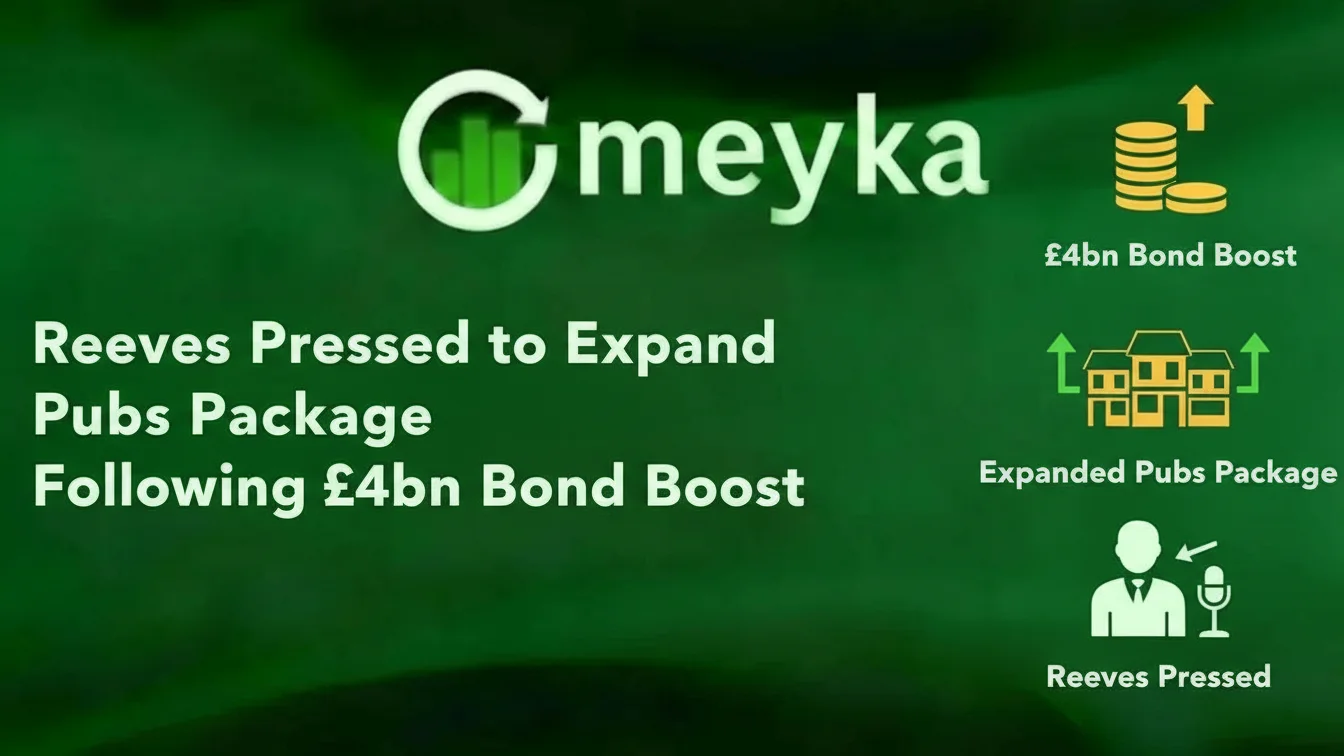
Reeves Pressed to Expand Pubs Package Following £4bn Bond Boost

In recent days Reeves, the UK’s Chancellor of the Exchequer, has been under intense pressure from lawmakers, business groups, and the hospitality sector to go further with support for pubs after securing a significant backing in the bond markets and confirming a £4.3 billion support package aimed at helping pubs cope with rising business rates and economic challenges. The situation has highlighted tensions between economic policy, support for small businesses, and wider tax reforms, drawing strong reactions from both industry leaders and political commentators.

Background: Business Rates and the Pub Sector Crisis

The UK government’s decision in its latest budget to end much of the temporary relief on business rates that had been in place since the pandemic has sparked concern across the hospitality industry, particularly among pub owners. Business rates are a tax on commercial properties that many pubs argue have risen sharply due to a revaluation of property values combined with the withdrawal of Covid-era reliefs. Many pub landlords warned that this combination could lead to closures if support is not strengthened.

In response to these concerns, Reeves and her Treasury team initially allocated a £4.3 billion package designed to help pubs transition to higher business rates bills. However, industry representatives and some MPs have argued that this funding falls short of what is needed, especially for smaller and independent pubs that operate on thin margins and have faced rising costs in energy, wages, and supplies.

Pressure Builds for a Broader Support Package

Despite the initial funding announcement, critics from across the hospitality and retail sectors have been calling for Reeves to expand the support package beyond pubs. They argue that bars, restaurants, cafes, and other high street businesses are similarly at risk from rate increases and economic pressures. Some industry leaders have highlighted that excluding these sectors could create an uneven playing field and undermine efforts to revitalize local economies across the UK.

Reeves has acknowledged that the existing relief measures may not fully address the scale of the challenge some pubs face. Speaking publicly, she emphasised that while the government believes the initial funds will help most pubs manage the transition, there are still concerns over significant bill increases and a need to “get this right” with additional measures coming “in the next few days and weeks.”

Political Fallout and Economic Context

The push for expanded support comes at a time when Reeves has also seen a significant bond market response to her economic policies. UK borrowing costs have eased after concerns earlier last year, and investors in government bonds have shown renewed confidence. This has provided Reeves with some room to manoeuvre, but also increased scrutiny over how public funds are allocated. Supporters of stronger pub aid argue that targeted relief could stimulate economic activity, help preserve jobs, and support community hubs across the nation.

Critics, however, warn against overly generous tax relief that could strain public finances or distort the market, especially if support packages are extended too broadly. They point to the need for balanced fiscal policy that supports growth while managing borrowing and inflation pressures.

Hospitality Industry Voices and Economic Stakes

Industry groups such as the British Beer and Pub Association (BBPA) have been vocal about the need for enhanced support. They argue that many pubs were already struggling due to cost increases and changes in consumer spending patterns even before the business rates reforms. For them, the threat of higher taxes represents a tipping point that could force many small and independent pubs to close permanently, affecting jobs and local economies.

This debate touches on broader economic concerns about the future of high streets in the UK. Many town centres depend on hospitality and retail businesses to attract footfall and sustain local employment. A wave of closures in pubs and small eateries could have knock-on effects for other parts of the economy, potentially leading to lower consumer confidence and reduced spending in affected communities.

Reeves’s Response and Future Policies

Reeves has stressed that the government’s goal is to design a support package that is fair, effective, and sustainable. She has said that while Covid-era temporary support must be unwound, the pace and nature of that transition need careful management so that it does not unduly harm viable businesses. Her emphasis has been on targeted relief with a focus on managing public finances responsibly.

It is expected that details of additional support measures will be announced soon, possibly including more generous relief for pubs or adjustments to business rate formulas. However, some opposition figures and industry leaders argue that the government should move faster and consider broader measures that cover more sectors of the hospitality ecosystem.

Economic Impact and Broader Market Considerations

The debate over the pubs package highlights how government policy intersects with broader trends in the stock market, business investment, and consumer behaviour. Small business taxes and relief programs can influence business confidence and investment decisions, affecting everything from local employment levels to consumer spending patterns.

Investors and analysts who study economic policy changes often factor these elements into their forecasts for sectors like retail and hospitality when conducting stock research or considering wider investment trends in UK equities and related global industries.

Furthermore, as governments try to balance support for struggling businesses with fiscal responsibility, the role of public bonds and borrowing costs becomes central. The recent boost in investor confidence in UK bonds may give Reeves a better platform from which to justify expanded support without alarming markets or undermining confidence in fiscal stability.

What This Means for Pub Owners and Local Economies

For pub owners, the core concern remains financial viability. Many have faced rising operational costs while also dealing with the aftermath of pandemic disruptions and evolving consumer habits. The promised expansion of support could provide crucial breathing room for landlords and investors who are struggling with higher business rates. It could also help preserve cultural and social institutions that pubs represent in many communities.

At the same time, other sectors are watching closely, with calls growing louder for similar treatments that could help cafes, restaurants, and entertainment venues that form part of the broader high-street fabric. The coming announcements from Reeves and the Treasury could set a precedent for how targeted tax relief is applied in future budgets.

Conclusion

Reeves is at the centre of a policy debate that balances fiscal prudence with urgent calls to support a sector that peers and public figures agree is under severe pressure. The £4bn bond boost and initial support package send a positive economic signal, but the push to widen relief reflects deep concern about the future of pubs and related hospitality businesses. As announcements on expanded measures approach, stakeholders across the economy will be watching closely to see how the government’s approach evolves.

FAQs

What is the £4 billion boost for pubs about?

The £4.3 billion package is temporary financial support to help pubs adapt to higher business rates bills following property revaluations and the withdrawal of pandemic discounts, with more support expected soon.

Why are pubs under pressure and asking for more help?

Pubs face sharp rises in business rates due to changes in property valuations and ending temporary reliefs, which significantly increase their tax burden and threaten profitability.

Could other hospitality sectors benefit from expanded support?

Industry leaders and some lawmakers argue that restaurants, bars, and cafes also deserve similar relief due to shared challenges, but the government’s focus has primarily been on pubs so far.

Disclaimer:

The content shared by Meyka AI PTY LTD is solely for research and informational purposes. Meyka is not a financial advisory service, and the information provided should not be considered investment or trading advice.

Similar Posts

Leave a Reply

Your email address will not be published. Required fields are marked *