14 Trading Strategies Every Investor Should Know in 2026
The year 2026 is shaping up to be one of the most exciting years for global markets. With new technologies, smarter tools, and rising market participation, both new investors and skilled traders are looking for ways to stay ahead.
This is why Trading Strategies have become one of the most searched topics worldwide.
In this detailed and easy-to-read guide, we explore 14 of the most important trading methods inspired by expert insights and popular approaches followed by traders across the world.
The goal is simple. To help you understand the market calmly and simply, so you can make thoughtful choices.
Why Are Trading Strategies Important in 2026
Many investors feel confused because market behaviour changes very fast. Events, technology, social media, and global news all affect price movement.
This is why a set of strong Trading Strategies can help you stay steady and make clearer decisions.
But why do markets behave differently in different years? Because new trends, new policies, and new global events change demand, supply, and risk every day. This is why you need simple and strong strategies that work consistently.
The Best Trading Strategies for 2026 Every Investor Must Know
Below you will discover 14 powerful Trading Strategies carefully explained with simple words so anyone can understand them.
1. Trend Following Strategy
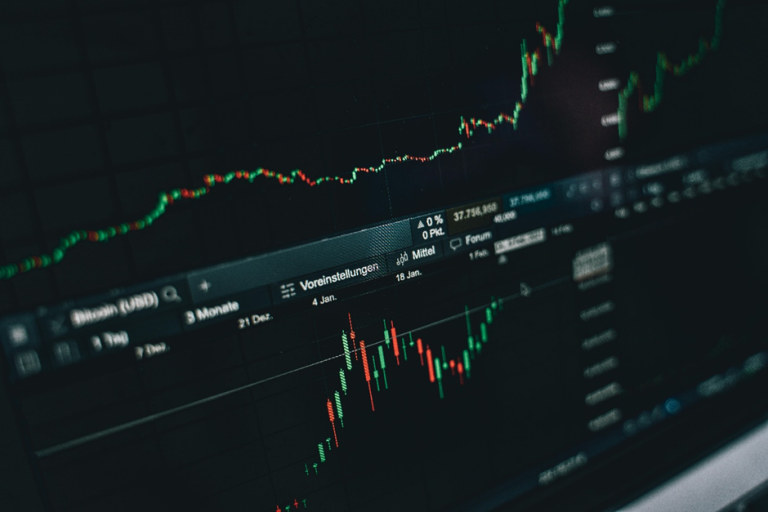
This is one of the simplest and most popular approaches. Traders watch the price move in one direction and follow that direction.
Why do traders use trend following
Because markets often move in smooth waves. Following the wave is easier than fighting it.
How to use it
- Look for upward or downward movement.
- Use simple indicators like moving average lines.
- Stay in the trend until it changes.
This approach works well in stocks, forex, commodities, and cryptocurrency.
2. Range Trading Strategy
When prices move between a clear high point and a clear low point, traders call it a range.
Why it works
Because prices often bounce between two levels before breaking out.
Steps to follow
- Identify the support level.
- Identify the resistance level.
- Buy near the support, sell near the resistance.
This is perfect for calm markets.
3. Breakout Trading Strategy
A breakout happens when a price crosses a strong support or resistance level.
Why are breakouts important?
Because they show strong buying or selling energy, which can start a new trend.
How to trade breakouts
- Wait for the price to break a major level.
- Enter after confirmation.
- Use small stops to manage risk.
This strategy is widely used by day traders and swing traders.
4. Momentum Trading Strategy
Momentum means strong movement in one direction.
Why is it useful
Because when momentum is strong, the market often continues in the same direction.
How to apply
- Look for fast price movement.
- Use indicators such as RSI or MACD.
- Hold the position until momentum slows.
This is common in active stock markets.
5. Scalping Strategy
Scalping means taking very small profits many times a day.
Why do traders scalp
Because small moves happen more often than big moves.
Things needed for scalping
- Fast decision-making.
- Quick trade execution.
- Tight spreads and low costs.
This strategy is popular in forex and quick moving markets.
6. Swing Trading Strategy
Swing trading means holding a position for several days to capture small to medium price moves.
Why investors like swing trading
It gives more time than day trading and still provides frequent opportunities.
Steps used
- Find the main market direction.
- Enter at pullbacks.
- Exit at the next swing.
This works well in stocks, indices, and commodities.
7. Arbitrage Trading Strategy
Arbitrage means buying an asset at a low price in one place and selling it at a higher price in another place.
Why is arbitrage possible?
Because different markets sometimes show different prices.
How it works
- Spot price differences.
- Execute both trades quickly.
- Lock in risk-free profit.
This strategy requires speed and good tools.
8. Algorithmic Trading Strategy
This method uses computer programs to buy and sell based on rules.
Why are algos popular in 2026
Because AI tools and data systems are now more advanced and accessible.
Uses
- Automated signals.
- Fast calculations.
- Emotion-free trading.
This is used by professional traders and institutions.
9. Position Trading Strategy
This is a long-term approach.
Why position traders win long-term
Because they avoid noise and focus on major market movements.
How to apply
- Study the economy and long-term trends.
- Hold trades for months or years.
- Ignore short-term volatility.
Great for patient and steady investors.
10. News-Based Trading Strategy
Traders respond to important news events.
Why does news move markets?
Because news changes expectations and investor confidence.
Steps
- Watch economic calendars.
- Understand global and company news.
- Enter trades based on reactions.
News trading requires calm and quick thinking.
11. Mean Reversion Strategy
Mean reversion assumes that prices return to their average level.
Why this works
Because markets sometimes move away from normal levels, but often come back.
How to use it
- Identify extreme movements.
- Enter opposite direction trades.
- Wait for the price to return to the average.
This works best in calm and stable markets.
12. Carry Trade Strategy
Carry Trade is Common in forex markets.
What is a carry trade?
Traders borrow money in a low-interest currency and invest in a high-interest currency.
Why are carry trades used
Because the interest rate difference creates profit.
Steps
- Find currency pairs with big interest rate gaps.
- Hold positions over time.
- Earn interest daily.
This strategy works well when global markets are stable.
13. Crypto Trading Strategies for 2026
Cryptocurrency markets are still growing fast.
Why crypto needs special strategies
Because the market changes quickly and reacts strongly to news.
Useful approaches
- Momentum tracking in major coins.
- Range trading during slow periods.
- Following blockchain and regulatory news.
Crypto traders use a mix of fast and slow strategies.
14. Risk Management Strategy
This is the most important strategy of all.
Why risk control is important
Because even the best strategy fails without protection.
How to manage risk
- Use a stop loss.
- Never put all your funds in one asset.
- Use simple position sizing.
- Take profits at the right time.
A smart trader always protects capital first.
Trading Strategies for Different Types of Investors
Different investors need different methods.
Short Term Traders
Short-term traders prefer
- Scalping
- Momentum trades
- Breakouts
- News trades
Why short-term traders use fast strategies
Because they want to take advantage of quick price movements.
Long Term Investors
These investors like
- Position trading
- Trend following
- Mean reversion
Why long-term investors prefer slow strategies
Because they focus on stability and long-term growth.
Medium Term Traders
Swing trading and algorithmic trading work well for medium-term investors.
Why is medium-term trading popular in 2026
It balances time, risk, and opportunity.
Expert Tips to Use These Trading Strategies Wisely
1. Start simple
Do not use too many tools at once.
2. Practice before real trading
Use demo accounts.
3. Follow the economic calendar
Global news impacts prices.
4. Stay patient and avoid emotional trading
Calm thinking leads to better results.
5. Learn from mistakes
Every trader improves over time.
Common Questions About Trading Strategies in 2026
What strategy is best for beginners
Trend following and swing trading are simple and easy for new traders.
Can I use more than one strategy
Yes, you can combine two or three strategies to improve accuracy.
Is algorithmic trading safe for beginners
Yes, but only if they understand the rules behind the algorithm.
Do crypto strategies differ from stock strategies
Yes, crypto moves faster, so traders adjust methods based on volatility.
Is risk management more important than strategy
Yes, risk control is the heart of safe trading.
Conclusion
The year 2026 will bring new opportunities and new challenges. With the right Trading Strategies, you can move through markets with more confidence and clarity. Each strategy in this guide gives you a simple and practical way to understand price movement, manage risk, and make better choices.
Whether you are a beginner or an expert, these fourteen strategies offer a strong foundation for smart and thoughtful trading. The key is to stay calm, learn every day, and keep improving your skills.
FAQ’S
In 2026, some of the most valuable strategies include algorithmic trading, swing trading, momentum trading, options strategies, AI-assisted technical analysis, dollar-cost averaging, trend following, arbitrage trading, and sector-rotation strategies. These strategies help investors adapt to fast-changing markets, automation, and AI-driven volatility.
Yes, many strategies, such as dollar-cost averaging, value investing, index investing, and trend following, are beginner-friendly. However, advanced strategies like algorithmic trading, options spreads, leverage trading, and arbitrage require deeper knowledge, risk management, and sometimes technology tools.
Most investors use AI-enhanced trading platforms, real-time charting tools, automated bots, scanners, risk-management apps, and advanced brokerage accounts that support backtesting and algorithm building. Access to high-quality market data is also essential for strategies like momentum trading or scalping.
Safe strategies for volatile conditions include diversified investing, dollar-cost averaging, hedging with options, and long-term value investing. These reduce risk by focusing on stability and long-term returns rather than frequent trading.
Absolutely. Many successful traders use a hybrid approach; for example, a long-term investor may apply value investing while also using momentum trading for short-term opportunities. The key is to ensure the strategies complement each other and follow a clear risk-management plan.
Disclaimer
The content shared by Meyka AI PTY LTD is solely for research and informational purposes. Meyka is not a financial advisory service, and the information provided should not be considered investment or trading advice.