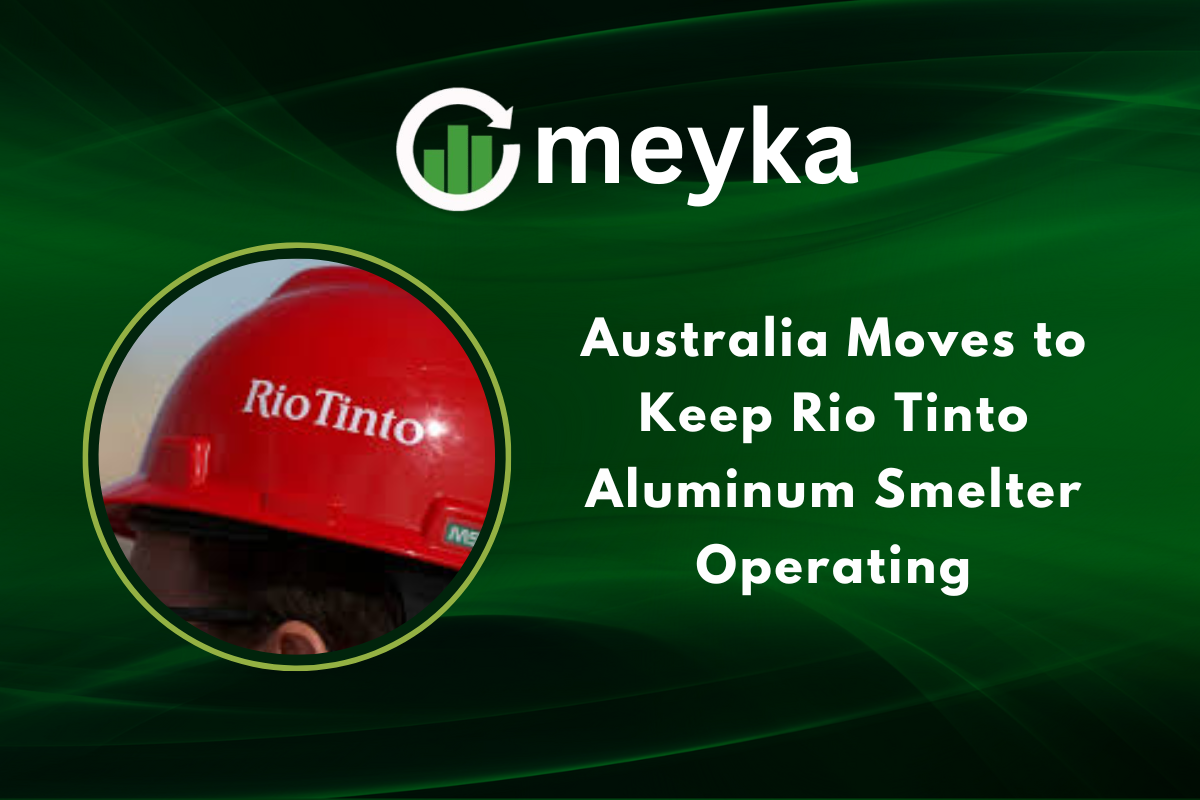
Australia Moves to Keep Rio Tinto Aluminum Smelter Operating
Australia has announced a major plan to keep the Rio Tinto-controlled Tomago aluminium smelter running well beyond 2028 by arranging new long-term energy support and government collaboration.
This decision marks a significant shift in national industrial policy and aims to secure thousands of jobs, protect key manufacturing capability, and ensure continued aluminium production in the Hunter Region of New South Wales.
In this detailed article, we explore why the government stepped in, how the new energy arrangement works, the broader economic impact, and what this means for Rio Tinto, workers, and Australia’s future in heavy industry.
What Is the Rio Tinto Decision About the Tomago Aluminum Smelter?
The Australian federal government, led by Prime Minister Anthony Albanese, has revealed a plan to work with Rio Tinto (RIO.AX) and the New South Wales government to keep the Tomago aluminium smelter open beyond 2028, despite earlier warnings of possible closure due to rising electricity costs.
This decision comes after Rio Tinto, which owns a majority stake of about 51.55 percent of Tomago Aluminium, indicated that the smelter may become economically unviable once its current power contract expires at the end of 2028.
Why Australia Is Acting to Support the Tomago Smelter
Australia’s plan stems from concerns that closing the Tomago aluminium smelter would have far-reaching effects on the economy, industry, and hundreds of local jobs.
Rio Tinto (RIO.AX) had warned earlier that the smelter’s future was uncertain due to high energy costs and that it might have to shut down if no affordable long-term energy solution was found.
What prompted this government intervention?
The smelter is one of the largest energy-dependent industrial facilities in Australia, consuming a significant share of NSW’s power supply to produce about 590,000 tonnes of aluminium every year. Its closure would not only cost direct jobs at Tomago but also impact supply chains, regional manufacturing, and Australia’s export capacity.
This tweet reflects public engagement and national attention as Australia’s leaders and unions discussed the future of the Tomago smelter amid energy and industrial pressures.
What the Government’s Support Plan Includes
The newly announced rescue initiative involves a long-term energy arrangement that aims to secure affordable and reliable electricity for the smelter after its existing contract lapses in 2028.
Long-Term Power Purchase Agreement
The core of the plan is a long-term power purchase agreement designed to provide Rio Tinto’s Tomago smelter with electricity at fixed or subsidised rates. This arrangement may involve government backing for renewable energy generation, storage, and transmission infrastructure across New South Wales.
Concessional Finance and Renewable Energy Support
The government is considering offering concessional finance to speed up renewable energy projects that will support the smelter’s power needs.
This includes investment in wind, solar, and battery storage solutions, which are key to stabilising energy costs and reducing reliance on costly fossil fuel-based electricity.
Rio Tinto’s Investment Commitment
As part of the collaboration, Tomago Aluminium has pledged at least A$1 billion in capital and maintenance investment over the next decade, including decarbonisation and operational upgrades to improve efficiency and sustainability.
How This Decision Affects Rio Tinto and Its Future Strategy
Rio Tinto (RIO.AX) sees the government’s intervention as a positive step in avoiding closure and securing a long-term pathway for the smelter.
Company’s Statement on Collaboration
Tomago Aluminium’s leadership welcomed the collaboration, stating that the ongoing negotiations reflect shared recognition of the importance of maintaining local manufacturing.
The company emphasized its commitment to working with the federal and state governments to address energy challenges and ensure the smelter’s future viability.
Strategic Importance of the Smelter to Rio Tinto
For Rio Tinto (RIO.AX), the Tomago facility is more than just a production centre. It is part of its broader portfolio of metals and materials, and a base for manufacturing that supports domestic and global supply chains.
Aluminium is crucial not just for traditional industries but also for sectors such as construction, transportation, and renewable technology components.
What the Government Says About the Energy Support
The government’s official media release explains that the initiative is designed to keep Tomago open beyond 2028, secure jobs, and boost the region’s role in clean industrial production.
It also aims to position Australia as a leader in aluminium produced using renewable energy and long-term power contracts.
Statements from Political Leaders
Prime Minister Anthony Albanese highlighted the importance of Tomago’s continued operation for national prosperity and employment, especially in regional areas like the Hunter Valley.
He thanked workers and the community for their patience during the uncertainty and stressed the value of keeping the smelter running as part of Australia’s industrial base.
Industry Minister Tim Ayres and Energy Minister Chris Bowen also noted that the agreement is a “win-win” for citizens and industry alike, with the government aiming to finalise details in the coming weeks.
A live market and policy reaction captured this tweet, where news outlets shared breaking updates on the Australian government’s decision to support Rio Tinto’s smelter.
What This Means for Jobs and the Local Economy
The Tomago aluminium smelter is a major employer in the Hunter Region. The potential closure of the smelter would have impacted more than 1,000 direct jobs and up to 5,000 indirect jobs in related industries.
Community and Union Reaction
The Australian Workers’ Union (AWU) and local stakeholders have strongly supported the government’s move, viewing it as crucial to preserving manufacturing jobs and industrial capability.
With new energy support, workers feel that Tomago not only survives but can also drive future economic activity as part of a clean energy transition.
This union tweet reflects strong organisational support for keeping the smelter open, highlighting its importance for workers and local manufacturing.
Why This Decision Matters for Australia’s Industry
Australia’s decision to support the Tomago aluminium smelter is seen as a turning point in national industrial strategy. It reflects the government’s commitment to safeguarding large energy-dependent manufacturing facilities while integrating clean energy solutions.
Protecting Manufacturing and Exports
Aluminium production remains a key contributor to export revenue and domestic manufacturing. Without the smelter, supply chains for many industries could face disruptions. A stable aluminium sector also contributes to infrastructure, automotive, aerospace, and construction markets.
Supporting Renewable Energy Growth
By integrating renewable energy incentives into the support plan, the government is positioning this long-term energy deal as a model for industrial decarbonisation and future heavy industry support in Australia.
Conclusion: A Strategic Win for Rio Tinto and Australia’s Industry
The Australian government’s decision to move forward with a long-term energy support plan to keep the Rio Tinto-controlled Tomago aluminium smelter operating reflects a balanced approach to industrial policy, energy transition, and regional job protection. By combining government action with private investment and clean energy solutions, the plan aims to secure the smelter’s future beyond 2028 and underpin the nation’s manufacturing base for years to come.
This outcome not only supports Rio Tinto’s operational stability but also sends a clear message that Australia is committed to retaining significant industrial capacity while navigating the challenges of high energy costs and the shift to renewables.
FAQ’S
Rio Tinto raised concerns that the smelter might close because its current power contract expires in 2028, and cost-effective energy has not been secured. Rising energy prices could make aluminium production unviable without government help.
The plan involves government support to secure renewable and stable energy for the smelter at competitive prices, rather than a straightforward cash bailout. The final structure of financial contributions is still being discussed.
Tomago directly employs over 1,000 people, with up to 5,000 indirect jobs linked to operations, supply chains, and regional services.
The government’s initiative includes incentives for renewable energy generation and storage, aiming to reduce energy costs and emissions while ensuring a reliable power supply for heavy industrial users like Tomago.
Disclaimer
The content shared by Meyka AI PTY LTD is solely for research and informational purposes. Meyka is not a financial advisory service, and the information provided should not be considered investment or trading advice.