Chinese robotaxi

Chinese Robotaxi Shares Climb as Tesla Sparks Investor Sentiment

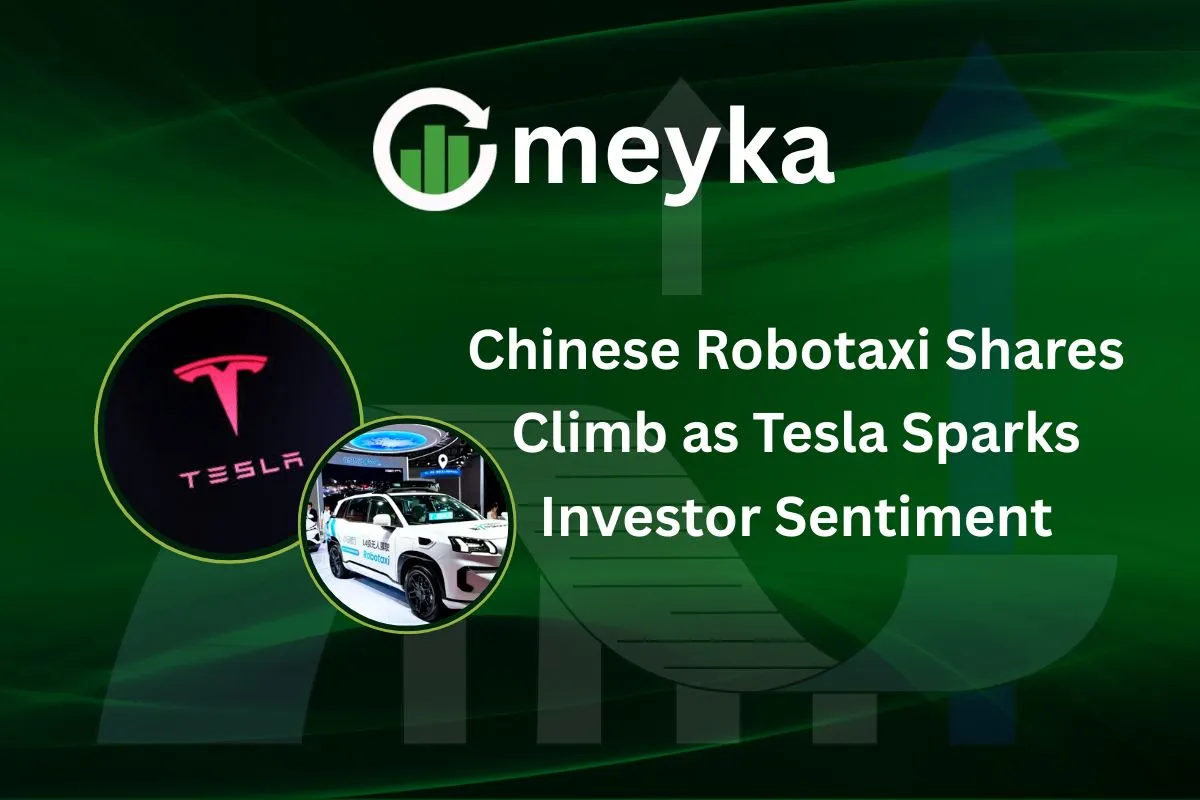
On Tuesday, December 17, 2025, shares linked to China’s robotaxi sector moved higher across Asian markets. The rise did not start in Beijing or Shanghai. It began thousands of miles away. Tesla’s latest push around autonomous driving reignited global investor interest in self-driving technology. That excitement quickly spilled into China.

Chinese robotaxi firms have been testing driverless cars for years. Many already operate limited services in major cities. Until now, investors largely ignored them. Profit remains distant. Costs are high. Progress feels slow. But markets often move on belief before results.

Tesla’s renewed focus on autonomy reminded investors of one key idea. Self-driving is not a future concept anymore. It is an active race. When sentiment turns positive, capital looks for exposure fast. Chinese robotaxi stocks offered that access.

This move is not about earnings growth. It is about expectations, reflecting rising confidence in applied artificial intelligence. It also shows how one company can reshape an entire sector’s mood without selling a single ride in China.

The “Tesla Effect”: How One Company Moves an Entire Sector

Tesla’s public push on unsupervised robotaxi tests shook markets in mid-December 2025. CEO statements and test reports on December 15-16, 2025, sent Tesla shares sharply higher. Investors took the move as proof that full autonomy is nearer than many expected. That excitement spilled into related names worldwide. Traders bought exposure to anything tied to applied autonomy. The result: a sympathy rally in Chinese robotaxi stocks.

Tesla’s approach is vision-first and consumer-facing. Chinese robotaxi firms aim at fleet services within city zones. The two models look similar to outsiders. They differ in how profit is pursued. Tesla bets on scale across private owners. China’s players focus on geo-fenced, city-approved robotaxi fleets. Investors often lump them together when a headline fuels optimism.

Key Chinese Robotaxi Stocks Leading the Rally

Baidu’s Apollo has a concrete scale. Apollo Go runs in many cities and is expanding overseas. In October-December 2025, Baidu announced plans and partnerships that signal tangible growth beyond tests. This makes Baidu a bellwether for driverless sentiment in the region.

Pony.ai and WeRide made major moves in late 2025. Both completed Hong Kong public listings in November 2025. The IPOs drew attention and capital. Yet early trading showed the market’s caution. Shares slid on debut as investors weighed lofty valuations against long roads to profit. 

Still, the IPOs confirmed investor appetite for a China-based robotaxi play. Other players, such as AutoX and various OEM-backed projects, also grabbed attention. These firms have deep local ties. That helps with city approvals and route licences. It also means the sector’s path to revenue may be steadier than purely experimental lab programs.

China vs Tesla: Two Very Different Robotaxi Playbooks

Tesla’s strength is scale and brand. The company sells vehicles to consumers worldwide. It hopes to unlock robotaxi economics by turning private cars into on-demand assets. That path could reach millions of cars if the software proves reliable.

IEEE Spectrum Source: Tesla Robotaxis Face Fierce Competition from China

China’s model is fleet-first. Companies deploy a controlled number of robotaxis in city zones. Governments often back or approve pilots. The setting reduces exposure to harsh edge cases. It also creates a clearer path to commercial rides in the near term. This difference matters for margins and timing. Urban fleets can aim for steady, local revenue. Tesla’s model counts on mass adoption and huge scale.

What’s Really Driving Investor Sentiment?

HKEX Group: Hong Kong’s IPO market, global leadership 2025

Three drivers explain the recent buying. First, AI optimism. Investors are re-rating any company tied to applied artificial intelligence. The hope: better software equals faster monetisation. Second, liquidity and IPO flows. The Hong Kong listings in late 2025 brought fresh capital and public comparables. Third, headline risk and narrative. Musk’s public tests act as a high-impact narrative event. Markets respond quickly to visible progress.

One practical point matters. News and tests shape risk appetite more than monthly ride numbers. For now, headlines move prices faster than unit economics.

Risks Investors are Overlooking in the Robotaxi Rally

Profitability remains distant. Running robotaxi fleets costs a lot per mile. Sensors, cloud compute, maintenance, and safety staff add up. Cities also control rules and routes. A favourable pilot does not guarantee a national roll-out.

Scalability is not solved. A unit that works in one city may fail in another with different weather, road designs, or traffic norms. Regulatory shifts can be sudden. IPO froth also inflates early valuations. The market can punish unrealistic timelines quickly.

Short-Term Trade or Long-Term Theme?

For short-term traders, these stocks can be volatile. Headlines on autonomy, funding, or regulatory approvals can move prices by double digits in a day. For long-term investors, the focus should be on repeatable metrics. Look for rising fleet utilisation. Watch the cost per ride. Track progress toward unit economics that can sustain expansion.

Data from Hong Kong listings shows investors will reward proof of commercial rides and shrinking subsidy needs. Until those appear, price swings will reflect mood more than margins.

Metrics That Matter Going Forward

  • Fleet size and city coverage. More cities mean more diverse operating conditions.
  • Cost per mile and cost per ride. These determine the route to breakeven.
  • Regulatory approvals and permit renewals. Local rules define the addressable market.
  • Partnerships with OEMs and transit agencies. Collaborations reduce capex and speed deployment.
  • Public ride volumes and yield per ride. Revenue per active robotaxi will show if the model scales.

A modern AI stock research analysis tool can help parse these metrics quickly. Use it to compare trends across names and to spot early margin improvements.

Conclusion: Tesla Sparked It, China Will Decide the Outcome

Tesla’s December 2025 test headlines lit a fuse. Investors chased exposure. Chinese robotaxi stocks rose in sympathy. That move shows how connected global markets are now. Still, the real test is local. Chinese firms must turn pilots into paying rides. They must cut operating costs. They must expand to more cities.

If that happens, the rally will have a foundation. If not, sentiment can reverse fast. For now, headlines will keep trading the story. The long game will be decided by routes, rides, and margins. 

Frequently Asked Questions (FAQs)

Why are Chinese robotaxi stocks rising today?

Chinese robotaxi stocks rose on December 17, 2025, as global investors reacted to positive autonomous driving news from Tesla, boosting confidence in self-driving technology worldwide.

How does Tesla impact Chinese autonomous driving stocks?

Tesla influences investor mood. When Tesla highlights progress in self-driving tech, traders often buy related stocks, including Chinese robotaxi firms, expecting wider industry growth.

Which Chinese robotaxi companies are worth watching in 2025?

In 2025, investors are closely watching Baidu’s Apollo Go, WeRide, and Pony.ai due to active robotaxi operations, city approvals, and recent public market listings.

Disclaimer

The content shared by Meyka AI PTY LTD is solely for research and informational purposes. Meyka is not a financial advisory service, and the information provided should not be considered investment or trading advice.

Similar Posts

Leave a Reply

Your email address will not be published. Required fields are marked *