costco suing trump

Costco Suing Trump: Retail Giant Challenges Emergency Tariff Orders

Costco Suing Trump – What’s the Case About

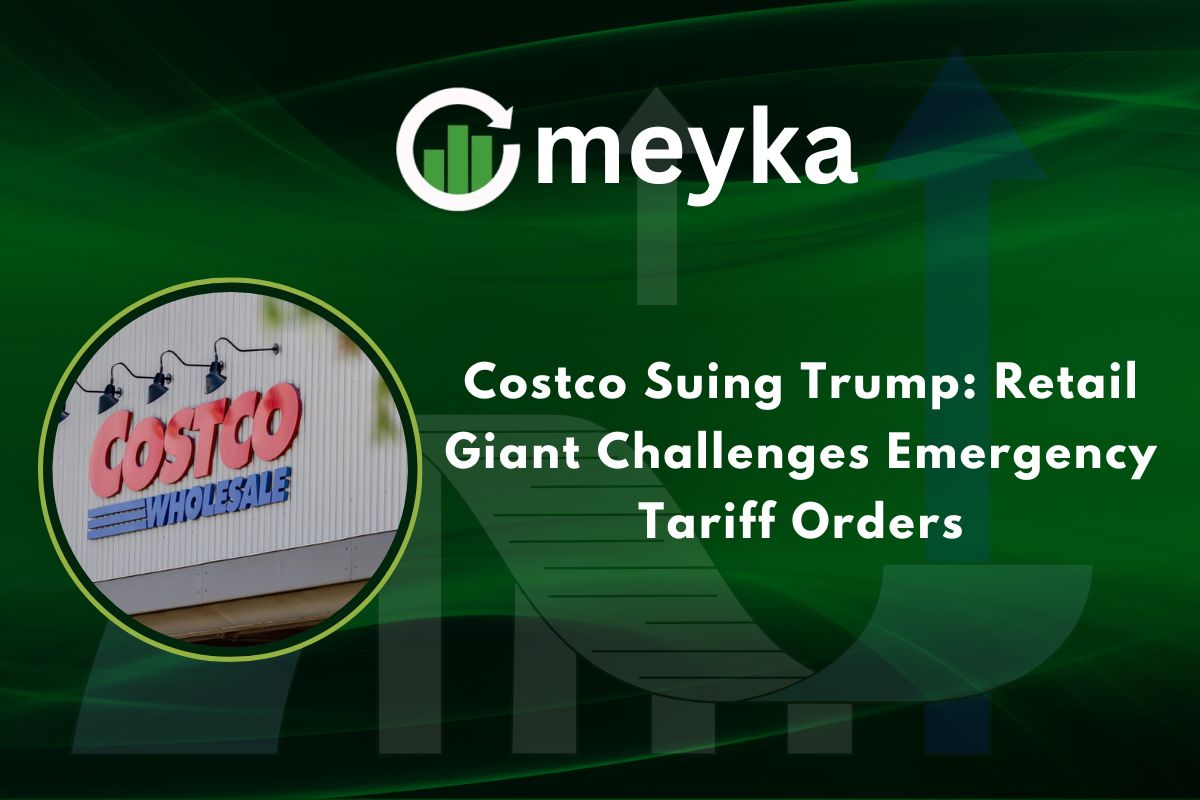
Costco, one of the largest retailers in America and globally, has formally filed a lawsuit against the Trump administration. The company asks a U.S. trade court to guarantee it will receive a full refund if the Supreme Court invalidates the president’s sweeping emergency tariff orders imposed under the International Emergency Economic Powers Act (IEEPA).

The tariffs, commonly referred to as “Liberation Day” or global import levies, had raised import costs sharply for many retailers. Costco argues that the tariff system lacks clear statutory authority and seeks a legal safeguard for the duties it has already paid. 

This makes Costco part of a growing list of firms challenging the tariffs, including Revlon, Kawasaki Motors, and EssilorLuxottica.

Why Is Costco Suing — Their Main Arguments

Tariff Legality and Refund Concerns

Costco’s lawsuit emphasizes that the IEEPA does not explicitly grant power to impose tariffs or duties. Their lawyers note the statute does not mention “tariffs,” arguing the executive action exceeds presidential authority. 

The complaint states that if the Supreme Court strikes down the tariff orders, businesses that paid these duties must not be left without recourse. Costco warns that without legal protection, its requests for refunds may be denied. The company claims customs authorities refused its request for more time to finalize tariff calculations.

Why is this important for Costco and other importers?
Paying potentially illegal tariffs without a guaranteed refund could cause huge losses and destabilize supply chains for import-heavy retailers.

Impact on Retail and Supply Chains

While some retailers adjusted by rerouting shipments, relying more on local sourcing, or raising prices, the uncertainty over refund eligibility puts pressure on inventory planning and pricing strategies.

Costco noted that about one-third of its U.S. sales come from imported goods. Even a partial denial of refunds could ripple through its operations, potentially raising prices for consumers. 

A timely comment from a market watcher captured the mood:

“Retailers must protect themselves now or risk bearing costs from a policy that may not survive legal scrutiny.” 

Wider Legal Battle – What Other Companies Are Doing

Many Firms Join Suit to Seek Refund Security

Costco is among the largest firms to join, but courts have already seen lawsuits from smaller companies, manufacturers, and even state groups that challenge the tariff orders on similar grounds. 

If the Supreme Court strikes down the tariff orders, many importers could file for refunds totaling tens of billions of dollars. Currently, firms are racing to preserve their ability to claim those refunds.

Uncertainty Haunts Market and Legal Outcomes

No final ruling has been made yet. During recent Supreme Court hearings, even conservative justices questioned whether the administration overstepped its power under IEEPA.

Because of that, hundreds of businesses are now facing uncertainty. They are filing suits to secure rights before the tariffs liquidate; many must act before mid-December to ensure eligibility.

Another observer put it this way:

“The legal fight over Trump’s tariffs may redefine U.S. trade power and import law for years to come.” 

What Could Happen — Possible Scenarios

If Court Strikes Tariffs, Big Refunds Await

If the Supreme Court rules the tariffs unlawful, Costco and other importers could get full refunds. That would inject billions back into company balance sheets and possibly lower prices for consumers.

This could also shake up trade policy; future presidents might face more constraints before imposing broad tariffs under emergency laws.

If Court Upholds Tariffs, Costs Stay

If the tariffs are upheld, retailers will bear the extra cost or pass it to customers. Inflation, higher prices on everyday goods, and tighter margins could follow.

For Costco, that could mean continued pressure on supply chains and pricing. The retailer already relies on cost-control and efficient sourcing.

What This Means for Consumers and the Economy

Price Volatility and Consumer Stress

If tariffs remain, consumers may face higher prices on imported goods across many categories, from electronics to clothing to toys. Retailers’ cost burdens will likely translate to price hikes.

If refunds happen, some of those costs might be reversed, possibly leading to price corrections.

Impacts on Trade, Imports, and Supply Chains

Tariff uncertainty has caused many companies to rethink their supply chains. Some are shifting sourcing away from high-tariff countries, consolidating suppliers, or boosting domestic production.

A large ruling could reshape U.S. import-export flows and encourage companies to pre-empt similar risks in future trade policies.

Why This Story Matters — Bigger Picture

This legal battle pushes at the heart of executive power, trade law, and economic policy under the Trump administration. The outcome could set a major precedent about how far a president can go without Congressional approval.

Broader Financial and Political Stakes

  • For businesses: Huge refund claims are at stake, affecting profitability, pricing, and long-term planning.
  • For markets: Any shift could influence inflation, consumer prices, retail sector performance, and investor confidence.
  • For laws: A ruling may limit executive authority over trade, altering future administration policies.

Could this affect trade with other countries?
Yes. A court decision could reshape U.S. trade policy, shift import patterns, and influence global supply chains, especially where tariffs or trade tensions matter.

Conclusion

Costco suing Trump marks a key moment in the legal fight over the controversial 2025 tariff program. The retailer’s challenge highlights uncertainty around trade policy, supply chains, and corporate risk under emergency powers.

With the Supreme Court’s decision pending, millions in potential refunds hang in the balance. For Costco, other major importers, and consumers, the outcome could reshape costs, prices, and how global trade operates under future administrations.

In a time of economic stress, shifting trade laws, and broad tariffs, this case may redefine trade policy and corporate protections for years to come.

FAQ’S

Why is Costco suing Trump now?

Costco is suing the Trump administration because it wants a guarantee of full tariff refunds if the courts rule the emergency import taxes unlawful. The company argues that the tariff orders under IEEPA lack a proper legal basis for taxing imports. Without this protection, retailers like Costco risk heavy financial losses on past duties.

What tariffs is Costco challenging?

Costco challenges the “emergency tariff orders” imposed under the International Emergency Economic Powers Act (IEEPA). These tariffs raised import costs sharply on many consumer goods after the administration’s global trade action. Costco contends the law does not authorize broad import tariffs, making the levies potentially illegal.

Who else is joining Costco in the lawsuit?

Several other large companies and importers have filed similar suits demanding tariff-refund protection. Retail firms, manufacturers, and distributors hoping to reclaim duties are now seeking legal clarity. The collective action reflects broader concern over the impact of the emergency import taxes.

What happens if the courts strike down the tariff orders?

If courts invalidate the tariff orders, companies like Costco could get full refunds of duties paid. That outcome may lower retail prices and ease cost pressures on import-heavy businesses. It could also reshape U.S. trade policy by limiting executive power to impose similar tariffs.

Could prices go up for consumers while the lawsuit plays out?

Yes, until the legal challenge is resolved many retailers may raise prices to cover potential tariff costs and risk. Supply-chain uncertainty and higher import duties may push retail prices higher on goods. Consumers could see increased costs for electronics, clothing, toys and other imported items.

Disclaimer

The content shared by Meyka AI PTY LTD is solely for research and informational purposes.  Meyka is not a financial advisory service, and the information provided should not be considered investment or trading advice.

Similar Posts

Leave a Reply

Your email address will not be published. Required fields are marked *