
Could Rick Rieder Become the Next Fed Chief? Insights from Financial Markets
As of late January 2026, financial markets are buzzing with one big question: Could Rick Rieder become the next Chair of the U.S. Federal Reserve? Prediction markets, where traders bet on future political events have suddenly pushed Rieder’s odds much higher than just weeks ago, making him a strong contender to replace Jerome Powell when Powell’s term ends in May 2026.
Rick Rieder is best known as the Chief Investment Officer of Global Fixed Income at BlackRock, one of the world’s largest investment firms. His rapid rise in the betting markets has surprised many Wall Street watchers.
This shift matters for more than just politics. It could change how interest rates are set, how markets behave, and how everyday Americans feel the effects of inflation and growth.
Let’s explore why Rieder’s name is now at the center of the Fed Chair conversation and what markets are signaling about his chances.
Who Is Rick Rieder?
Rick Rieder is the Chief Investment Officer of Global Fixed Income at BlackRock. He runs a huge part of the world’s bond markets for the firm. His job is to make big decisions about interest rates, credit, and risk. BlackRock is the world’s largest asset manager, with trillions under its care.
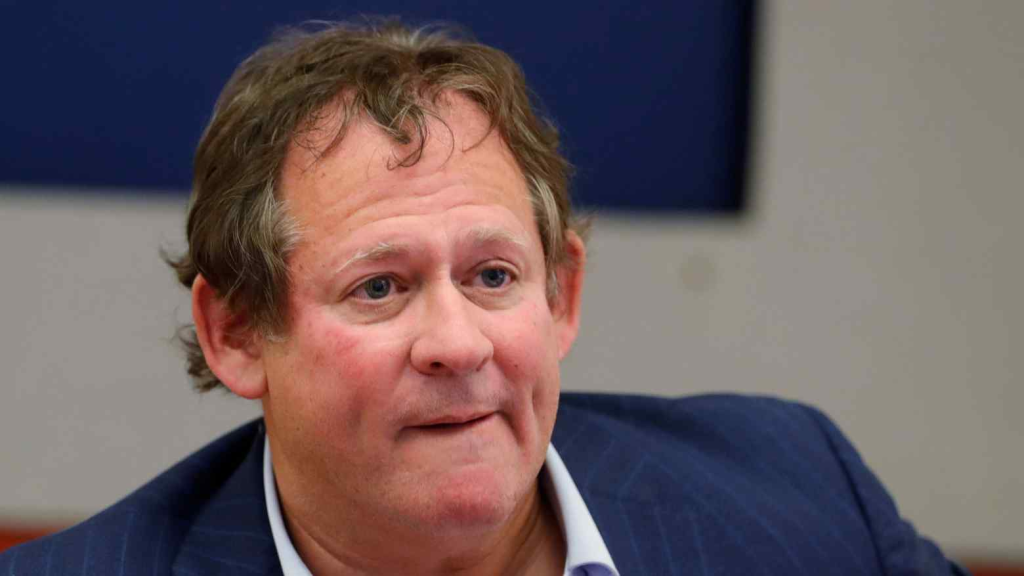
Rieder is well known in markets. But he is not a traditional central banker. He has never worked for the Federal Reserve Board. He has not spent decades as a government economist. Instead, he spent his career in markets and investment firms.
That makes his rise in the Federal Reserve Chair race surprising. Most past Chairs came from the Fed itself or from academic economic circles. Rieder breaks that mold. His experience with real markets matters deeply to traders and investors.
Why Markets Think Rieder Could Be the Next Fed Chair?
In January 2026, prediction markets shifted heavily in Rieder’s favor. These markets let traders bet on who will be nominated by President Donald Trump to replace Jerome Powell when Powell’s term ends in May 2026. Recently, Rieder’s odds jumped from single digits to as high as around 50-60% on platforms like Polymarket and Kalshi. This is a massive change in a short time.
This surge happened after Rieder met with White House officials on January 22, 2026. Trump reportedly called him “very impressive,” which boosted trader confidence. Markets saw this nod as a political signal that Rieder might be Trump’s pick.
Prediction markets now show Rieder often ahead of rivals such as former Fed Governor Kevin Warsh and White House adviser Kevin Hassett. The sharp climb in odds suggests that traders believe his nomination is becoming likely.
What Rieder’s Views Suggest About His Potential Fed Policies?
Rieder’s public comments give clues about how policy might change if he becomes Fed Chair. He believes that the neutral federal funds rate that neither stimulates nor slows the economy may be lower than what the current Fed targets. Rieder has suggested a neutral rate closer to about 3%. This contrasts with the current Fed’s rate, which is roughly 3.5-3.75%.
This view implies he might push for faster interest‑rate cuts than the current Fed plans. Lower rates can make borrowing cheaper for households and businesses. That can support the housing market and spending. It could also lift bond prices.
Rieder also talks about using tools like yield curve control, where the Fed targets specific longer‑term rates, not just the short‑term policy rate. This idea could help stabilize markets and keep mortgage and corporate loan rates lower.
His thinking reflects a style that focuses on market data in real time and prioritizes growth and liquidity. That is different from the more cautious, traditional approach often seen at the Fed.
Why Is His Candidacy Unconventional?
Rieder’s rise is unusual for several reasons. First, he is an outsider to the Federal Reserve system. He did not come up through the ranks of central banking or economic research. He built his reputation in fixed income markets.
Second, he is a private‑sector leader rather than a government official. Most Fed Chairs in history have been career economists, former governors of the Fed, or academic experts. Rieder’s background stands out against that tradition.
Finally, his close ties to Wall Street raise questions about Fed independence. The Fed is meant to act without political or private influence. Some analysts worry that choosing a market leader could blur these lines. Others argue that market experience is valuable for navigating real‑world financial conditions.
Financial Markets’ Reaction & What Investors Are Betting On
Markets have already reacted to this shift in expectations. Traders and financial firms adjust prices based on who they think will set monetary policy next.
After Rieder’s odds climbed, bond yields dropped, suggesting traders expect a more dovish stance, that is, more rate cuts. Lower yields often reflect expectations of easier policy. Stocks, especially financial shares, also rose as traders priced in a more growth‑friendly environment.
The betting volume on Fed Chair odds is unusually high. Platforms like Polymarket have seen hundreds of millions of dollars in total value locked in prediction contracts, showing strong belief and active positioning by traders.
Conclusion: The Odds & What Comes Next
As of late January 2026, Rick Rieder stands as a leading contender to be the next Federal Reserve Chair. His rise in prediction markets reflects political signals and market expectations. If nominated, his views on interest rates and market tools could shift U.S. monetary policy toward a more market‑oriented and growth‑focused framework.
This matters for the economy, investors, and everyday borrowers alike. A new Fed Chair with a market background could change how rates move, how credit flows, and how the U.S. navigates inflation and growth in the years ahead. President Trump’s official decision is expected soon, and markets will watch closely for that announcement.
Frequently Asked Questions (FAQs)
As of January 26, 2026, Rick Rieder is a top contender to be the next Fed Chair. Prediction markets and political signals have increased his chances, but no official decision has been made yet.
On January 26, 2026, prediction markets showed Rieder’s odds around 50-60% to replace Jerome Powell. Traders see him as a strong candidate, but the final nomination by President Trump is pending.
Rieder may favor lower interest rates and more market-focused decisions compared to Powell. He could act faster on rate cuts and use tools like yield curve control.
Disclaimer
The content shared by Meyka AI PTY LTD is solely for research and informational purposes. Meyka is not a financial advisory service, and the information provided should not be considered investment or trading advice.