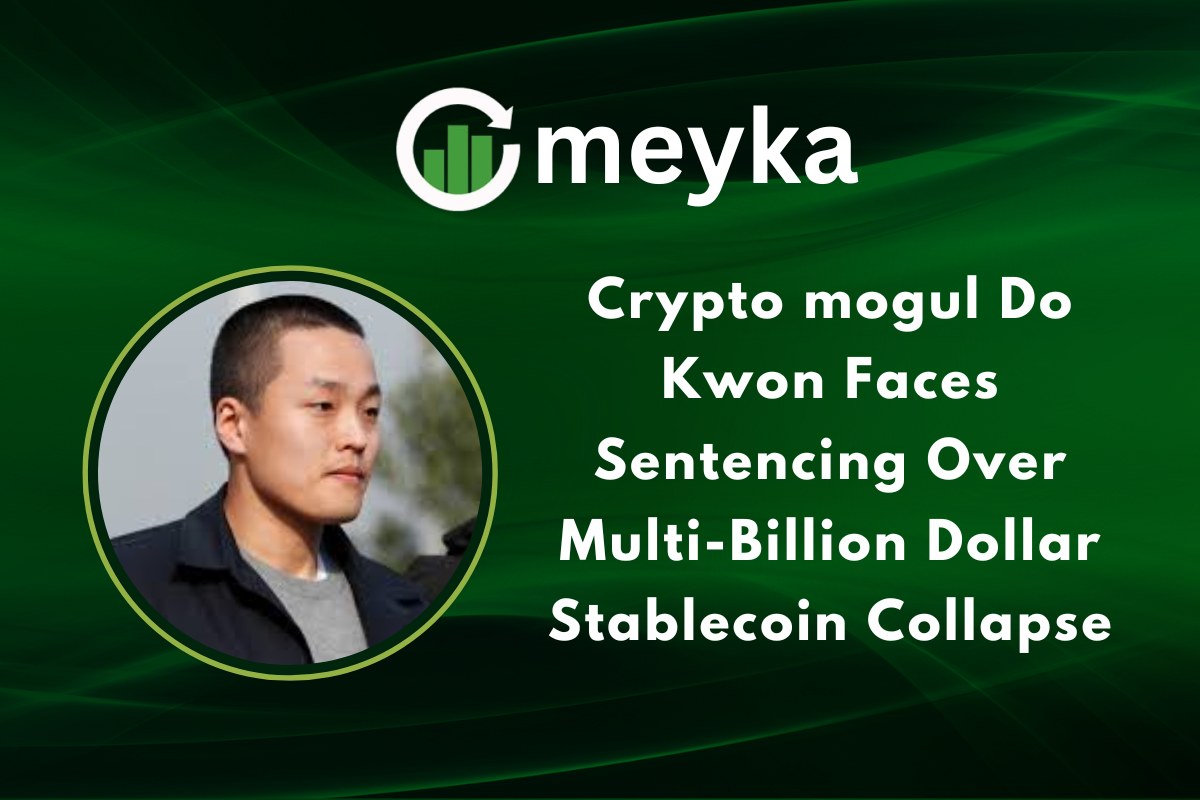
Crypto mogul Do Kwon Faces Sentencing Over Multi-Billion Dollar Stablecoin Collapse
The world of cryptocurrency is once again in the spotlight as Crypto mogul Do Kwon, the founder of the Terra blockchain project, faces sentencing over the catastrophic collapse of the TerraUSD (UST) stablecoin.
The collapse, which shook crypto markets worldwide, resulted in billions of dollars in investor losses and has prompted regulators across the globe to scrutinize stablecoins more closely.
The sentencing marks a pivotal moment in the ongoing effort to hold crypto executives accountable for financial mismanagement and investor losses. But what exactly led to this high-profile downfall, and what does it mean for the future of digital currencies?
Who is Crypto mogul Do Kwon?
Crypto mogul Do Kwon is a South Korean entrepreneur and co-founder of Terraform Labs, the company behind the Terra blockchain and UST stablecoin. Known for his ambitious vision, Kwon became a prominent figure in crypto circles, often praised for pioneering algorithmic stablecoins designed to maintain a 1:1 peg with the US dollar without traditional reserves.
However, despite his early success, TerraUSD’s collapse in 2022 marked one of the largest failures in cryptocurrency history. Investors, including retail traders and institutional funds, saw their holdings evaporate almost overnight, leading to widespread calls for regulatory oversight and accountability.
Why did this happen? The collapse occurred due to a combination of algorithmic failure, market panic, and alleged mismanagement. UST’s peg to the US dollar failed, triggering a domino effect that crashed its sister token, LUNA, and shook global crypto markets.
The Multi-Billion Dollar Collapse Explained
The collapse of TerraUSD is considered one of the most significant events in cryptocurrency history. At its peak, UST was valued at over $18 billion in market capitalization, and its associated token, LUNA, had significant trading volumes.
How did the collapse unfold?
- Loss of peg: UST lost its dollar peg, causing panic among investors who expected stable returns.
- Mass sell-offs: The failure led to mass withdrawals, exacerbating the price decline of both UST and LUNA.
- Market contagion: Other crypto assets faced pressure as investor confidence eroded globally.
This series of events highlighted the risks associated with algorithmic stablecoins and the potential vulnerabilities in decentralized finance systems.
Legal Actions Against Crypto Mogul Do Kwon
Authorities have now stepped in, holding Crypto mogul Do Kwon accountable for the collapse. He faces criminal charges and potential prison sentences, reflecting the severity of the multi-billion-dollar losses incurred by investors worldwide.
Which countries are involved?
- South Korea has filed multiple charges against Kwon.
- The United States Securities and Exchange Commission (SEC) and other international regulators have expressed interest in legal proceedings.
The case underscores the growing trend of international regulatory cooperation in the cryptocurrency space.
What penalties could Do Kwon face? Experts suggest the sentencing could include substantial fines, restrictions on crypto activities, and imprisonment, depending on the final judicial outcomes.
Impact on Investors and Crypto Markets
The collapse of TerraUSD affected a broad spectrum of investors, including:
- Retail traders who invested in hopes of stable returns.
- Institutional investors are exposed through crypto funds or derivative products.
- Global crypto exchanges that listed LUNA and UST, facing reputational and financial risk.
The incident also led to heightened volatility across crypto markets, with Bitcoin, Ethereum, and other tokens experiencing significant price swings due to shaken investor confidence.
Why is the market still cautious? Investors remain wary of algorithmic stablecoins, emphasizing the need for transparent reserves, audits, and regulatory compliance to avoid similar collapses in the future.
Regulatory Implications of the Do Kwon Case
The sentencing of Crypto mogul Do Kwon is expected to have a long-term impact on the cryptocurrency regulatory landscape.
- Tighter rules on stablecoins: Governments are likely to require reserve-backed stablecoins and greater transparency in their operations.
- Enhanced investor protection: Regulatory frameworks may include mandatory disclosures and limits on algorithmic structures that could risk investor funds.
- Global coordination: Cross-border crypto regulations are being strengthened to prevent international market shocks.
How will this affect future crypto projects? Projects will face more scrutiny, higher compliance costs, and a focus on sustainability, making investor protection a top priority.
Community and Industry Reaction
The crypto community has reacted strongly to the Do Kwon case. Many analysts and investors view it as a cautionary tale for the industry. On social media, reactions range from frustration over investor losses to calls for stricter governance and accountability.
Industry leaders also stress the need for better risk management and education for retail investors to prevent future collapses.
Lessons Learned From the Collapse
The TerraUSD collapse highlights key lessons for the crypto ecosystem:
- Algorithmic stablecoins carry high risk: Without proper collateral, maintaining price stability is challenging.
- Investor education is crucial: Understanding the mechanics of crypto assets helps mitigate panic-driven losses.
- Regulatory oversight is necessary: Government agencies worldwide are likely to tighten crypto laws to prevent future disasters.
Why is this significant now? The case serves as a benchmark for how authorities handle high-profile crypto failures and could shape the rules for the next generation of blockchain projects.
Future Outlook for Crypto Mogul Do Kwon and Stablecoins
While Crypto mogul Do Kwon awaits sentencing, the global crypto market is evolving rapidly. Analysts predict:
- Algorithmic stablecoins will face stricter scrutiny and may see reduced adoption.
- Investor confidence in crypto will be gradual due to heightened awareness of risks.
- Regulatory frameworks will become more robust, ensuring greater transparency and financial safety.
The case may also set a precedent for legal accountability in decentralized finance, sending a message that even powerful crypto entrepreneurs are not immune to legal consequences.
Conclusion
The sentencing of Crypto mogul Do Kwon over the multi-billion dollar collapse of TerraUSD is a landmark moment in cryptocurrency history. It not only emphasizes the risks inherent in algorithmic stablecoins but also signals a growing commitment from regulators to protect investors and stabilize global markets.
For investors, the case is a clear reminder to prioritize due diligence, transparency, and risk awareness when engaging with crypto assets. For the broader industry, it underscores the urgent need for sound governance, compliance, and accountability, shaping the future of cryptocurrency regulations worldwide.
As Crypto mogul Do Kwon faces his sentencing, the world watches closely, knowing that the outcome may redefine legal and financial standards in the rapidly evolving cryptocurrency landscape.
FAQ’S
Crypto mogul Do Kwon is the South Korean founder of Terraform Labs, the company behind the Terra blockchain and TerraUSD stablecoin, known for his role in the multi-billion-dollar crypto collapse.
Do Kwon faces sentencing due to the collapse of TerraUSD and its sister token LUNA, which led to billions in investor losses and raised allegations of mismanagement and financial misconduct.
The collapse was caused by UST losing its peg to the US dollar, mass sell-offs of both UST and LUNA, and flaws in the algorithmic stablecoin design that failed to stabilize the market.
The crypto market experienced significant volatility, and investors called for stricter regulations. Social media and analysts highlight the need for accountability, transparency, and risk management in crypto projects.
The sentencing could set a global precedent for legal accountability, lead to tighter stablecoin regulations, improve investor protections, and encourage more transparent governance in decentralized finance projects.
Disclaimer
The content shared by Meyka AI PTY LTD is solely for research and informational purposes. Meyka is not a financial advisory service, and the information provided should not be considered investment or trading advice.