Fed Rate

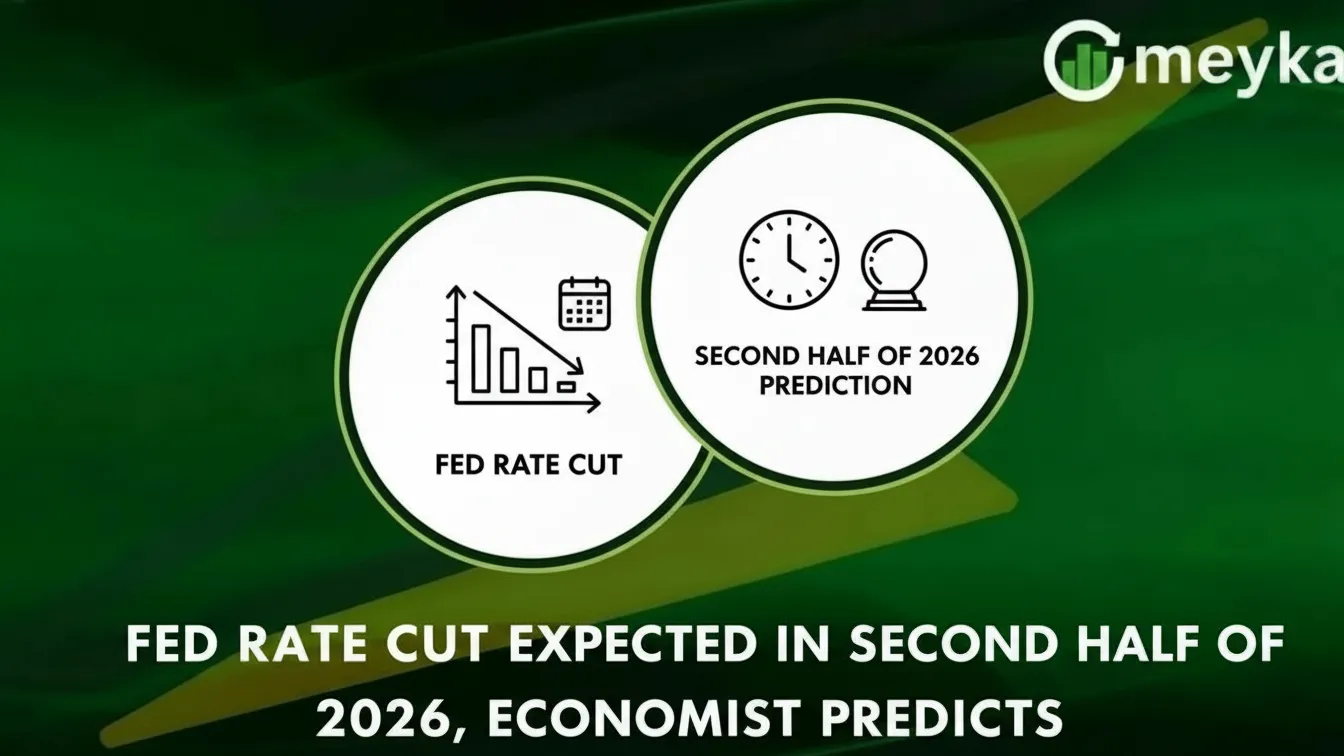
Fed Rate Cut Expected in Second Half of 2026, Economist Predicts

The Fed Rate outlook has become one of the most-watched financial trends of 2025–26. We from the economic news desk have been tracking the latest data, forecasts, and expert views. After several rate reductions in late 2025, many analysts now think the Federal Reserve might ease policy further in 2026, especially in the second half of the year, to support a softer U.S. economy.

Current Fed Rate Situation

  • Fed Rate Meaning: The Fed Rate is the interest rate at which U.S. banks lend overnight. It affects mortgages, car loans, and business loans.
  • Recent Cuts: The Fed cut rates three times in late 2025. Current range: 3.50%–3.75%.
  • Policy Shift: First cuts in years, moving from fighting inflation to supporting growth.
  • Inflation Status: Inflation remains above the Fed’s 2% target. The job market is softer than earlier in 2025.

Why Economists Predict a Rate Cut in H2 2026

  • Slower Growth: Congressional Budget Office (CBO) expects Fed rate to fall to 3.4% by year-end 2026.
  • GDP Outlook: Real GDP growth may rise to 2.2%, then slow later. Inflation is expected to gradually fall but stay above 2%.
  • Labor Market Weakness: Unemployment steady at 4.5–4.6%, signaling a softer job market.
  • Expert Forecasts: Economists expect 1–2 Fed cuts in 2026.
  • Policymaker View: Fed Governor Stephen Miran suggests potential for deeper cuts of 150 basis points.

Potential Impacts of a Fed Rate Cut

  • Financial Markets: Lower Fed Rate can boost stocks as borrowing becomes cheaper. Corporate profits may rise.
  • Treasury Yields: Long-term yields, like the 10-year, may rise slightly even if the Fed cuts short-term rates.
  • Consumer Borrowing: Cheaper mortgages, car loans, and business credit. Multiple cuts in 2026 could save consumers significant money.
  • Housing Credit: Mortgage rates are being monitored. Housing credit may loosen depending on inflation trends.
  • Business Investment: Lower rates make capital cheaper. Companies may invest in hiring, equipment, and expansion.
  • Global Effects: Fed rate changes impact global markets, currencies, and emerging economies.

Risks and Uncertainties Ahead

  • Inflation Risk: Inflation is still above 2%, which may delay further rate cuts.
  • Fed Debate: Some officials favor cautious cuts, others faster easing. Future moves remain uncertain.
  • Global & Policy Risks: Tariffs, fiscal policy changes, and international developments can affect growth and inflation.

Market Reactions

  • Rate Cut Probability: Markets increasingly expect Fed cuts by mid-2026.
  • Stock & Treasury Trends: Equities and bonds are pricing in easing.
  • Investor Focus: Unemployment and inflation data are closely watched.
  • Market Sentiment: Optimistic but cautious; timing and magnitude of cuts still unclear.

Conclusion

We are likely heading toward a period where the Fed Rate could be cut, especially in the second half of 2026, if economic growth softens further and labor market data stays weak. Such cuts would have wide impacts: cheaper borrowing, higher asset prices, and renewed business investment. But risks remain; inflation pressures and policy shifts could change that path.

FAQS

What is the Fed Rate?

The Fed Rate is the interest rate at which U.S. banks lend to each other overnight. It affects loans, mortgages, and business borrowing.

Why might the Fed cut rates in 2026?

Economists expect slower growth, easing inflation, and a softer labor market, which could prompt the Fed to lower rates to support the economy.

How does a rate cut affect consumers?

Lower rates mean cheaper borrowing for mortgages, car loans, and personal credit, which can save money for households.

How will markets react to a Fed Rate cut?

Stocks often rise due to cheaper capital, while bond yields and currency markets adjust to the new interest rate environment.

Disclaimer:

The content shared by Meyka AI PTY LTD is solely for research and informational purposes. Meyka is not a financial advisory service, and the information provided should not be considered investment or trading advice.

Similar Posts

Leave a Reply

Your email address will not be published. Required fields are marked *