Gold price

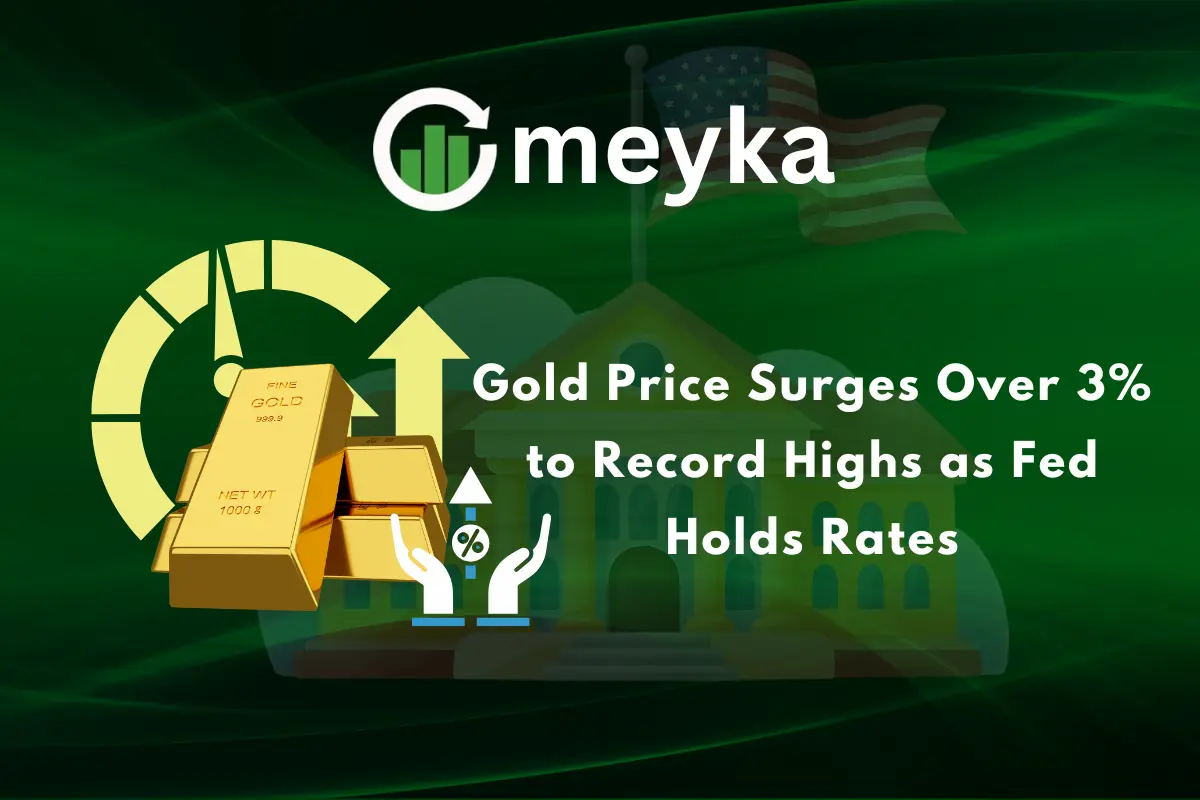
Gold Price Surges Over 3% to Record Highs as Fed Holds Rates

On January 27-29, 2026, gold made big moves in global markets. Prices jumped more than 3% in just one day. That pushed gold to record highs above $5,300 per ounce on many exchanges.

The rally came right after the U.S. Federal Reserve held interest rates steady instead of raising or cutting them. This decision surprised some traders. They had expected more clarity on future rate cuts.

A weak U.S. dollar and rising worries about the economy and world tensions made investors seek safety. Gold is seen as a safe place to park money when times are uncertain.

Let’s look at why gold surged so fast. We will also explore what it means for investors, markets, and the economy. Read on to understand this rare market shift and what could happen next.

What Triggered the Gold Price Surge?

Gold prices jumped sharply in late January 2026 following the U.S. Federal Reserve’s decision to keep interest rates unchanged on January 28-29, 2026. The Fed kept its benchmark rate at 3.50–3.75%, as widely expected by markets, but the tone of the decision and economic uncertainty pushed investors into safe-haven assets. The precious metal scaled fresh record levels above $5,300-$5,400 per ounce over successive sessions.

Investors usually move into gold when confidence in risk assets or the currency weakens. In this case, the U.S. dollar weakened to its lowest level in about four years, which made gold cheaper and more attractive to overseas buyers. The weak dollar was influenced by comments from the administration that indicated tolerance, and even preference, for a softer currency to help U.S. exporters. This dynamic boosted gold’s appeal further.

Geopolitical tensions and mixed economic data also heightened demand. Evidence of weakening consumer confidence and global policy uncertainty added to the rush toward gold, reinforcing its traditional role as a store of value during market stress.

Gold Price Performance: Big Numbers That Matter

The numbers from this rally tell a clear story of market stress and defensive positioning. On January 28, 2026, spot gold hit an all-time high near $5,311 per ounce during trading before settling around $5,200-$5,300 in subsequent sessions.

Gold Price Org Source: Gold Price Current Overview, January 29, 2026

By January 29, 2026, records showed gold climbing further above $5,400 per ounce amid heightened risk sentiment.

This rally amounts to over 20% gains year-to-date and significant strength since the start of 2025 driven by prolonged safe-haven buying and speculative positioning.

Silver and other precious metals also rose, with silver trading well above prior peaks and reflecting broader demand for tangible commodities as hedges against currency risk.

Market Psychology: Why the Reaction Was Strong on Gold Price Surge?

The gold surge was not just about the Fed holding rates. It was also about expectations vs. reality. Traders had priced in the steady rate decision, but the circumstances around it such as uncertainty about future cuts and economic resilience fueled safe-haven positioning.

Meyka AI: US Dollar Index (DX-Y.NYB) Index Overview, Over the Year 2025-2026

When the dollar continued to weaken and confidence in traditional assets wavered, more money flowed into gold. That pattern often happens when investors sense risk ahead. The daily gains in gold over multiple sessions also create momentum, which can push prices higher simply as traders chase performance.

Broader Market Impact of the Gold Price Rally

The dollar’s slide had ripple effects. A weaker dollar tends to boost commodities priced in USD, like gold. It also impacts foreign exchange markets, encouraging investors to move into assets that better preserve value when currencies weaken.

In equities and bond markets, the risk-off environment limited upside moves. Stocks were mixed in reaction, and yields stayed under pressure as investors balanced growth expectations with safe-haven flows. This broader market mix is typical when safe assets like gold rally strongly.

What Analysts are Saying About the Gold Price Surge?

Analysts are increasingly talking about how strong structural demand including from central banks diversifying reserves is supporting gold’s move. Some major financial institutions have revised forecasts, with targets pointing toward $5,400 and even as high as $6,000 per ounce in 2026.

Forecasts from banks like Goldman Sachs and Deutsche Bank highlight continued central bank purchases and private investor hedging as key drivers. As long as economic and geopolitical uncertainty persists, these analysts suggest gold will remain elevated.

What Comes Next: Outlook & Risks for Safe-Haven Asset

Bullish factors include:

  • Continued pressure on the U.S. dollar, making gold attractive globally.
  • Persistent geopolitical tensions drawing flight-to-safety demand.
  • Central bank diversification into gold reserves.

But risks remain. Strong economic data could push yields higher, reducing gold’s defensive appeal. Rapid shifts in currency markets, or a sudden return of confidence in risk assets, could slow gold’s advance. Monitoring upcoming Fed guidance and global data releases will be key to anticipating where prices might go next.

Conclusion & Key Takeaways

Gold’s surge over 3% to record highs in late January 2026 reflects a broader context of economic caution, dollar weakness, and risk aversion. The metal is acting as a safe-haven amid uncertainty around monetary policy and global markets. These conditions are likely to shape price action in the coming months, making gold a key barometer of investor sentiment in a volatile landscape.

Frequently Asked Questions (FAQs)

Why did gold prices jump after the Fed decision?

Gold prices rose after the US Federal Reserve kept interest rates unchanged on January 29, 2026, which weakened the dollar and increased demand for gold as a safe investment.

Is gold expected to rise further in 2026?

Analysts expect gold prices to stay strong in 2026 if economic uncertainty continues, the dollar remains weak, and central banks keep buying gold for reserve diversification.

How does the US dollar affect gold prices?

Gold usually rises when the US dollar weakens because it becomes cheaper for global buyers, increasing demand and pushing prices higher during uncertain market conditions.

Disclaimer

The content shared by Meyka AI PTY LTD is solely for research and informational purposes. Meyka is not a financial advisory service, and the information provided should not be considered investment or trading advice.

Similar Posts

Leave a Reply

Your email address will not be published. Required fields are marked *