Greenland Dispute 2026

Greenland Dispute 2026: US and Arctic Tensions Explained

What happens when a small, remote territory suddenly becomes the center of global power games? Greenland is about to show us. US President Donald Trump has renewed interest in increasing US influence in Greenland, citing security and strategic concerns.  He threatened to impose new tariffs on Denmark and several European countries if talks over Greenland failed.  The announcement added to market uncertainty, briefly weighing on global stock sentiment.  The leaders got angry. NATO allies worried the partnership might break.

But on January 21, 2026, Trump suddenly changed his mind after meeting with NATO’s top leader in Davos, Switzerland. He dropped his threat to charge extra fees and said they reached a “framework” for a future deal. Nobody knows exactly what that means yet.

This article explains the Greenland dispute of 2026, why it started, what happened, and what might come next.

What Is Greenland and Why Does It Matter?

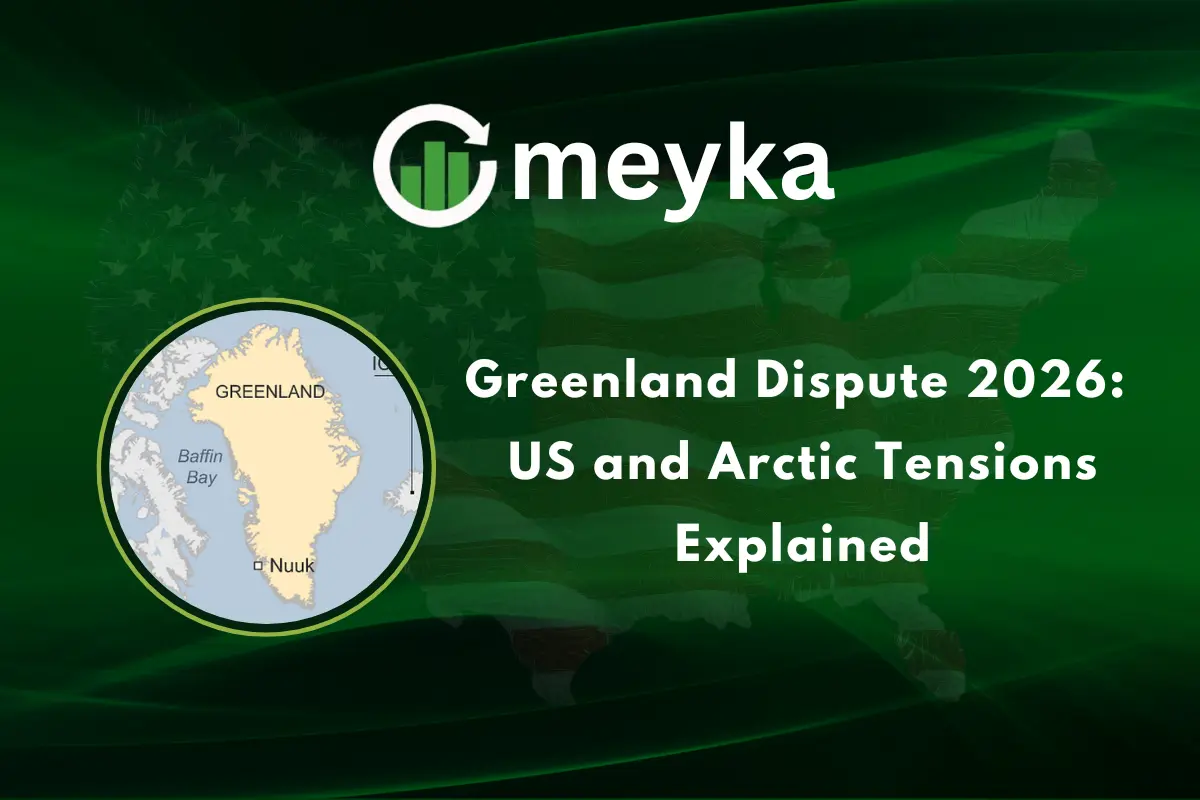
Greenland is the world’s largest island. It sits in the Arctic Ocean between Canada and Iceland. Denmark owns it, but Greenland mostly governs itself. Only 57,000 people live there because 80% of the land is covered by ice.

So why does Trump want Greenland? Three big reasons:

Military Position

Greenland sits between North America and Europe. The US already has a military base there called Thule Air Force Base. Trump says America needs to own the island to protect it from Russia and China.

Valuable Materials 

Under all that ice, Greenland has rare minerals that phones, computers, and electric cars need. These materials are worth billions of dollars.

Shipping Routes

As Arctic sea ice melts due to climate change, new shipping routes are opening. Ships carrying goods could cut travel time between Asia and Europe by using Arctic routes. Greenland’s location gives strategic influence over emerging Arctic shipping routes.

Greenland FactsDetails
Size836,000 square miles (3x Texas)
Population57,000 people
Ice Coverage80% of land
OwnerDenmark (autonomous territory)
US BaseThule Air Force Base

How the Crisis Started?

Trump first talked about buying Greenland back in 2019. Denmark’s leader said, “Greenland is not for sale,” and everyone laughed it off.

But when Trump became president again in 2025, he got serious. On January 7, he announced America would charge Denmark and seven other European countries 10% extra on all products they sell to the US starting February 1. That fee would jump to 25% by June unless they agreed to let America buy Greenland.

Countries Threatened

  • Denmark
  • Norway
  • Sweden
  • Finland
  • France
  • Germany
  • Netherlands
  • United Kingdom

This threat shocked everyone. These aren’t enemies, they’re America’s closest friends and NATO military partners. The $1.7 trillion in trade between America and Europe was suddenly at risk.

European leaders united against Trump. France’s president called it “fundamentally unacceptable.” Britain’s leader said it was “completely wrong.” They signed letters saying only Denmark and Greenland get to decide Greenland’s future.

Denmark sent more soldiers to Greenland. Germany, France, Sweden, and Norway also sent small military teams for joint training exercises. This showed they would defend Greenland.

The Davos 2026 Turning Point

Everything changed on January 21, 2026, at the World Economic Forum in Davos, Switzerland. Trump gave a speech where he said for the first time that he wouldn’t use military force to take Greenland. Until then, analysts had raised concerns about rising tensions, despite no formal military plan being announced.

Then Trump met with NATO Secretary-General Mark Rutte. After their talk, Trump posted on social media that they created a “framework” for a deal about Greenland and the Arctic. He canceled the threatened fees.

What Does the Trump’s “Framework” Agreement Mean?

The term “framework” refers to a preliminary understanding between parties, rather than a finalized or legally binding agreement. It outlines broad goals but leaves key details for future negotiations.

Trump won’t say if this framework means America will own Greenland. He told reporters it’s a “long-term deal” and “complex.” NATO’s leader said the conversation focused on protecting the Arctic from Russia and China, not on who owns Greenland.

Denmark’s foreign minister seemed relieved, saying the day ended “on a better note than it began.”

What Denmark and Greenland Want?

Denmark and Greenland have been clear from the start: Greenland is NOT for sale. Under international law, any change in Greenland’s status would require the consent of both Denmark and the people of Greenland. Greenland’s leaders say they want independence from Denmark someday, but definitely not to become part of America.

Greenland’s leaders say they want independence from Denmark someday, but definitely not to become part of America. They want to decide their own future.

Denmark says it’s open to America having more military presence in Greenland for protection. They’re willing to work together on Arctic security. But ownership? Absolutely not.

Danish Prime Minister Mette Frederiksen told Trump to “stop the threats against a historically close ally.” She pointed out that threatening friends is no way to run an alliance.

Greenland’s people feel caught in the middle. Their business minister said Greenlanders are “bewildered” by Trump’s “devastating” threats.

Why the Greenland Dispute Matters Globally?

The Greenland dispute 2026 isn’t just about one island. It affects bigger issues:

NATO Alliance: NATO is a military partnership where members promise to defend each other. If America threatens to take land from a NATO member (Denmark), it breaks trust. Other countries wonder: “Would America protect us or threaten us too?”

Trade Wars: If America charged Europe extra fees, Europe would charge America back. Products would cost more on both sides. This would hurt businesses and consumers everywhere.

Arctic Control: Russia and China are expanding in the Arctic. They’re building bases, exploring for oil, and opening shipping routes. If America and Europe fight each other over Greenland, Russia and China benefit. They can expand while the West argues.

Stock Market Impact: When Trump announced his Greenland threats, stocks dropped. When he canceled the fees on January 21, stocks immediately jumped up. Markets hate uncertainty, and the Greenland dispute of 2026 created tons of it.

Tools like Meyka AI help investors track stock performance based on these geopolitical situations and understand how they might affect stock prices and market trends.

Countries Involved in Greenland Dispute 2026
Source: aljazeera.com, Countries Involved in Greenland Dispute 2026

What Happens Next for Greenland and  Geopolitical Situation?

The “framework” Trump mentioned remains vague. Several things could happen:

Scenario 1: Security Cooperation, America, Denmark, and NATO work together to strengthen Arctic defenses. The US gets more military access. Denmark keeps ownership. Everyone focuses on blocking Russia and China.

Scenario 2: Complicated Negotiations, Months of talks produce some kind of unique arrangement nobody has thought of yet. Maybe America gets special rights without full ownership.

Scenario 3: Back to Threats. If talks fail, Trump might restart the tariff threats. This would bring the crisis back.

Most experts think Scenario 1 is most likely. Some analysts describe the framework as a symbolic compromise that allows all sides to claim progress without making major changes.

Conclusion

The Greenland dispute in 2026 scared a lot of people for two weeks. America threatening its closest friends over territory created real worry about NATO’s future and potential trade wars. Trump’s January 21 decision to drop tariff threats and announce a framework brought relief. Stock markets recovered. European leaders cautiously welcomed the de-escalation.

But nothing is finalized. “Framework” doesn’t mean “agreement.” Actual negotiations continue between the US, Denmark, and Greenland. What they produce remains unknown.

For now, the immediate crisis passed. Greenland remains part of Denmark. America and Europe aren’t charging each other extra fees. The Greenland dispute of 2026 moved from emergency status to an ongoing diplomatic conversation.

The Arctic will remain a point of tension as ice melts and valuable resources become accessible. Russia and China continue expanding there. America, Europe, and their allies must decide whether to cooperate or compete with each other while facing these bigger challenges.

Frequently Asked Questions

Can Trump actually take Greenland by force? 

Technically, the US military is stronger than Denmark’s. Using force against a NATO ally would severely damage trust within the alliance.  Trump said on January 21 that he won’t use force.

Does Greenland want to be part of America?

No. Greenlanders want independence eventually, but from Denmark, not to join America. They want to decide their own future, not be bought or taken by another country.

What’s NATO, and why does the Greenland dispute matter to them?

NATO is a group of 32 countries (including America and Denmark) that promise to defend each other. If one member attacks another member, it breaks the whole idea. That’s why this dispute worries everyone in NATO.

Will prices go up because of the Greenland dispute?

They almost did. If Trump charged Europe 10-25% extra, Europe would charge America back. Products from cars to phones could have cost more. But Trump canceled those threats on January 21, so prices should stay normal for now.

Disclaimer

The content shared by Meyka AI PTY LTD is solely for research and informational purposes. Meyka is not a financial advisory service, and the information provided should not be considered investment or trading advice.

Similar Posts

Leave a Reply

Your email address will not be published. Required fields are marked *