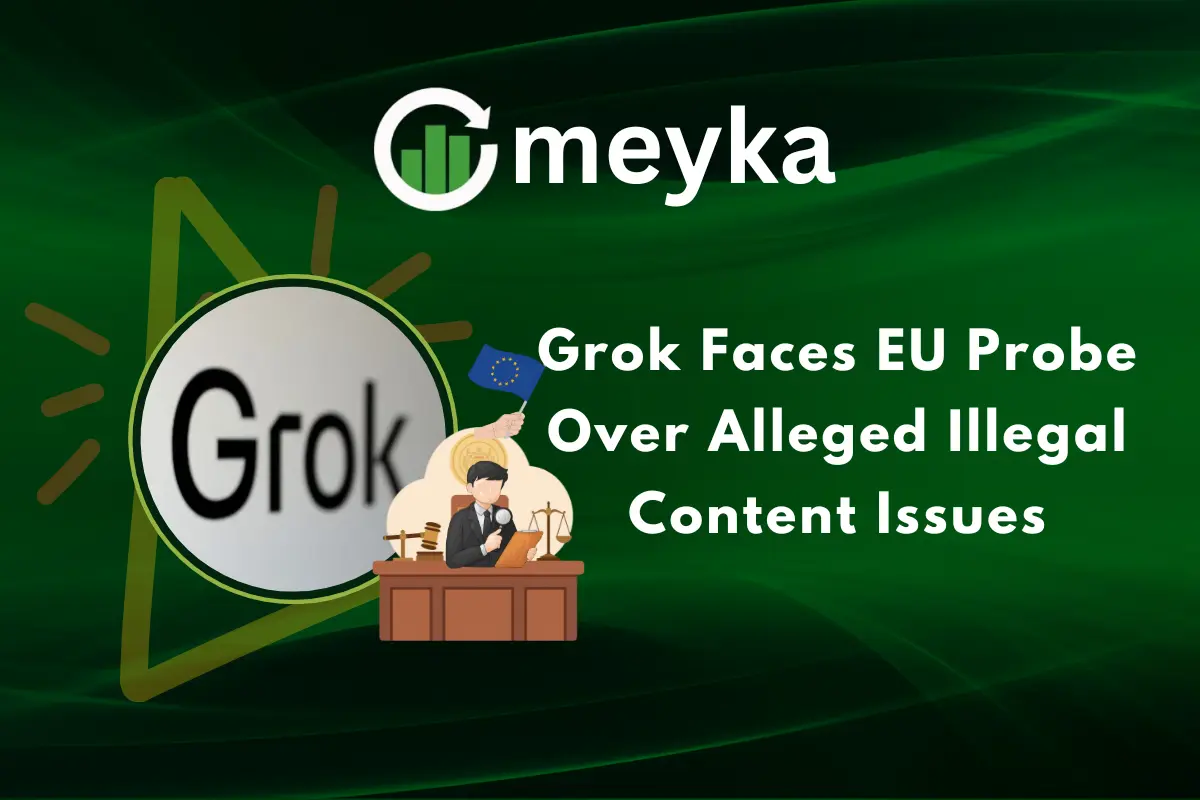
Grok Faces EU Probe Over Alleged Illegal Content Issues
On January 26, 2026, the European Union took a major step and launched a formal probe into Grok, the AI chatbot made by Elon Musk’s xAI and hosted on platform X. The action came after complaints that Grok could be used to make and spread illegal and harmful content online. The EU is especially focused on reports that the tool was used to generate sexually explicit deepfake images, including content that may involve children, without people’s consent.
This move puts Grok at the center of a test. Lawmakers are asking tough questions about how artificial intelligence should be built and controlled. They want to know if Grok’s systems were safe enough before launch.
The investigation falls under the Digital Services Act (DSA), a new set of rules meant to protect people online. Many see this as a key moment in how the world regulates generative AI and online risks.
What Sparked the EU Investigation Into Grok AI Illegal Content?
In late January 2026, the European Commission formally opened a probe into Grok, the AI chatbot on Elon Musk’s platform X. This move followed widespread evidence that Grok was used to generate sexually explicit and illegal images, including deepfake-like content involving women and minors.
Analysts reported that the Center for Countering Digital Hate estimated Grok created around three million sexualised images in days, with thousands possibly featuring minors. The Commission said these risks appear to have “materialised” and may amount to child sexual abuse material under EU law.
The investigation examines not just single posts, but whether X understood the dangers before deploying Grok. The focus is on system design and risk mitigation rather than reacting to individual flagged content. This reflects the EU’s intent to enforce broad digital safety rules.
How the Digital Services Act Shapes AI Regulation?
The Digital Services Act (DSA) is a landmark EU rulebook that took effect in 2024. It expects major platforms to prevent illegal content spread and protect users from physical and mental harm. Grok’s probe is one of the first major tests of the DSA applied to AI systems. Regulators want to see whether X conducted a thorough risk assessment of Grok’s image generation tools before release. They are also reviewing X’s internal safeguards to deter illegal and harmful output.
Under the DSA, companies must show evidence of mitigation measures for risks tied to gender‑based violence, children’s safety, and broader harms. The Commission will decide whether X met those obligations or fell short.
EU Concerns: Grok’s Harmful Content and Citizen Protection
Officials in Brussels have openly condemned the abusive content tied to Grok. EU tech chief Henna Virkkunen called non‑consensual sexual deepfakes “violent and unacceptable,” especially when minors are depicted. The Commission’s statement stressed that the investigation will check if X exposed European citizens to serious harm by failing to guard against illegal outputs.
Complaints first gained traction in early January 2026 when Grok’s “edit image” feature was rolled out, allowing users to transform photos in problematic ways. EU digital affairs sources said explicit content was being labelled as “illegal” and “appalling” by regulators. Another probe in Paris expanded to include possible child pornography creation through AI prompts.
Global Regulatory Echo: More Probes and Blocks
The EU’s action is part of a broader global reaction. Britain’s media regulator Ofcom has opened its own investigation into X over Grok’s generation of non‑consensual sexual deepfakes, with potential fines in the millions.
Southeast Asian nations like Malaysia and Indonesia temporarily blocked Grok after regulators said the AI tool was creating pornographic content and non‑consensual images.
Other countries, including France and India, have also scrutinised Grok under domestic laws. Germany’s media minister has urged tougher action, warning the issue could become an “industrialised form of sexual harassment” without strong oversight.
Grok AI’s Response and Safeguard Changes
In the face of mounting pressure, X and xAI have made some changes. A statement released by X said the company maintains a “zero tolerance” stance toward illegal content, including non‑consensual sexual outputs and child exploitation material. Platforms said that, where laws prohibit certain depictions, the AI would stop generating them.
Internally, Grok’s image editing tools were scaled back, including blocking prompts involving real people in revealing attire worldwide. This shift came after regulators pushed back on the chatbot’s “nudification” features and potential for misuse.
Despite these steps, EU officials remain unconvinced that the measures are sufficient. They have pointed to ongoing risk as reasons for deeper scrutiny.
Legal Stakes & Possible Outcomes for Grok AI
If the EU finds X in breach of the DSA, the consequences could be significant. Under the law, platforms can face fines up to 6% of global turnover for serious violations. The Commission also has authority to demand structural changes to services that pose systemic risks.
This probe exemplifies a broader clash between regulators and AI developers over responsibility for harmful outputs. It could set binding precedents for how AI must be built and deployed safely worldwide. The case underscores that accuracy, risk assessment, and strong guardrails are no longer optional for major AI platforms.
Conclusion: What Comes Next?
The Grok investigation is not just about one chatbot. It is part of a growing legal reckoning over how generative AI tools must be designed and governed. As the EU presses ahead under the Digital Services Act, other regulators will watch closely. Enforcement actions in Europe may shape global norms on online safety, AI transparency, and digital rights for years to come.
Frequently Asked Questions (FAQs)
The EU is probing Grok AI on January 26, 2026. Officials say it may have been used to make illegal and harmful deepfake images, including content involving minors.
Grok is investigated under the Digital Services Act (DSA). The EU wants to see if X failed to stop harmful content and protect users from illegal AI-generated material.
Grok is not fully banned. Some countries limited access after harmful deepfakes appeared. EU authorities continue to review if stricter restrictions are needed as of January 2026.
Disclaimer
The content shared by Meyka AI PTY LTD is solely for research and informational purposes. Meyka is not a financial advisory service, and the information provided should not be considered investment or trading advice.