HMRC Warns: 10m Pensioners Pulled Into Income Tax Net After Threshold Freeze
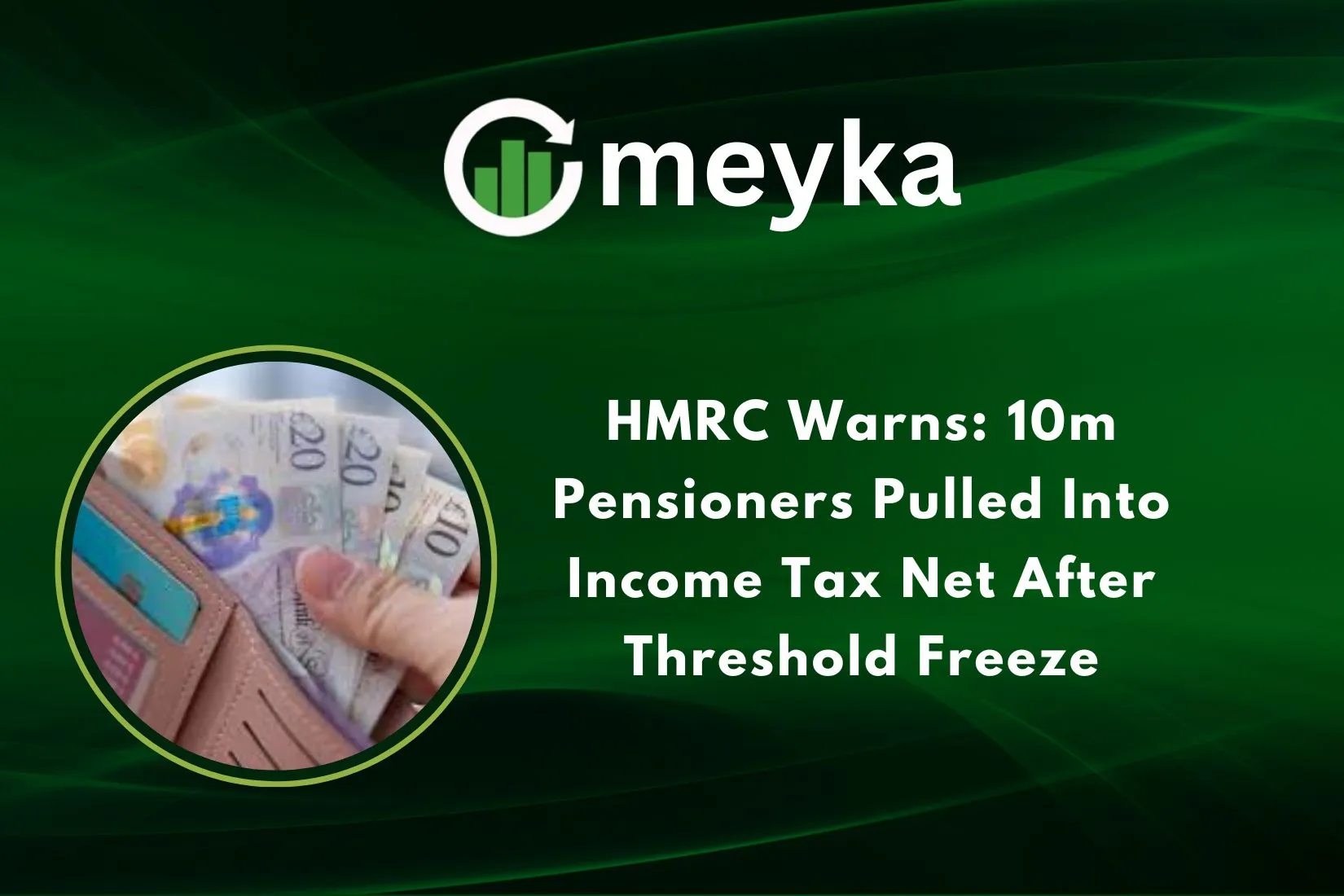
We are at a turning point for UK retirees. HMRC now estimates that nearly 10 million pensioners will be paying income tax, thanks to a long-term freeze on tax thresholds. On the one hand, pensions are rising steadily, boosted by the triple lock. On the other hand, the tax-free personal allowance remains stuck at £12,570 until 2028. The result? Many pensioners are being dragged into the tax net for the first time. This hidden effect, known as fiscal drag, is quietly shifting the tax burden onto older adults, raising serious concerns about fairness and the cost of living in retirement.
What Triggered the Tax Shift?
The root of this issue lies in the personal allowance freeze. This is the amount a person can earn before they start paying income tax. That amount has not increased since 2021 and is scheduled to remain at £12,570 until April 2028. Meanwhile, the state pension has been rising under the triple lock. This mechanism ensures the state pension goes up each year by the highest of: average earnings growth, inflation (CPI), or 2.5%.
Because the personal allowance stays the same while pensions climb, more retirees cross from “no tax” into “taxable income.” That creeping effect is what economists call fiscal drag.
The 10 Million Pensioners Affected
According to recent HMRC data, 8.7 million people of state pension age are expected to pay income tax in the 2025/26 tax year. That’s about 420,000 more than the previous year. Over the past decade, the number of pensioners paying income tax has grown significantly, increasing by 1.85 million since 2015/16. Some of those hit hardest are pensioners who rely mainly on their state pension or have modest additional income, such as from small private pensions or savings.
Rising State Pension and Its Unexpected Effects
In April 2025, the full new state pension rose to £11,973 per year, after a 4.1% increase under the triple lock. That amount now sits just £597 below the personal allowance. Because of this, even pensioners with no other income could soon begin to pay tax, once their pension alone edges over the threshold. Experts warn that, if current trends continue, more retirees will face unexpected bills. Projections suggest that by 2027/28, the full state pension could rise to £12,578.80, enough to push it above the tax-free allowance.
The “Stealth Tax” Debate
Many experts describe the frozen threshold as a “stealth tax.” The reason is simple: tax rates don’t change, but more people end up paying because their income rises while the limit stays the same. Economists call this fiscal drag. By leaving the personal allowance fixed while pensions and wages rise, the Treasury effectively collects more tax from more people, quietly. Some argue this approach boosts state revenues without formally raising rates. Others say it unfairly punishes people with fixed or modest incomes, like many pensioners.
Regional and Demographic Impact
This tax shift isn’t hitting everyone equally. For example:
- Older pensioners, especially those over 65, are more likely to be dragged in because of inflation and pension increases.
- Retirees who rely only on their state pension, without large private savings, are particularly vulnerable.
- Those in rural or lower-income areas may feel the pinch more because there is less flexibility to boost income or use tax planning.
- As more retirees combine a state pension with a small private pension or earned income, their combined income can more easily cross the allowance threshold.
What Pensioners Can Do
If you are a retiree or advising one, here are some actions we can take:
- Check your tax code. Make sure HMRC has accurate information about your total income, from state and private pensions, savings, or other sources.
- Claim allowances. Some pensioners are eligible for extra tax relief, such as the Marriage Allowance or Blind Person’s Allowance.
- Use tax-efficient savings. Maximize use of ISAs or other tax-free accounts, so not all your income is taxed.
- Monitor income changes. Keep HMRC updated when your pension or other income goes up, so you don’t get surprised by a tax bill.
- Seek financial advice. A tax or pension advisor can help you plan a withdrawal so you minimize tax without hurting your long-term income.
What Happens If the Freeze Continues?
If the freeze stays in place, the situation may worsen:
- By 2027/28, the state pension could surpass the personal allowance, meaning even those who live only on the state pension might pay tax.
- The Office for Budget Responsibility (OBR) warns that many more pensioners will be added to the income tax system, increasing pressure on household budgets.
- The government may collect billions more from pensioners, but at what cost? Critics argue that this silent tax hike could erode retirement security.
- If public pressure grows, there may be calls to revisit the threshold policy or offer targeted support to pensioners.
Conclusion
HMRC’s warning is more than a data point: it’s a wake-up call. Millions of retirees now face income tax for the first time, not because they earned a lot, but because their incomes rose while tax-free allowances stayed flat. This stealth tax, driven by fiscal drag, is quietly reshaping who pays tax in retirement. For pensioners, staying informed is key. By checking tax codes, claiming available reliefs, and managing income wisely, we can reduce the risk of unexpected tax bills. At the same time, there’s a growing debate about whether the threshold freeze is fair. As we look ahead, we must ask: should tax policy protect the most vulnerable, or quietly tap them for more?
Disclaimer:
The content shared by Meyka AI PTY LTD is solely for research and informational purposes. Meyka is not a financial advisory service, and the information provided should not be considered investment or trading advice.