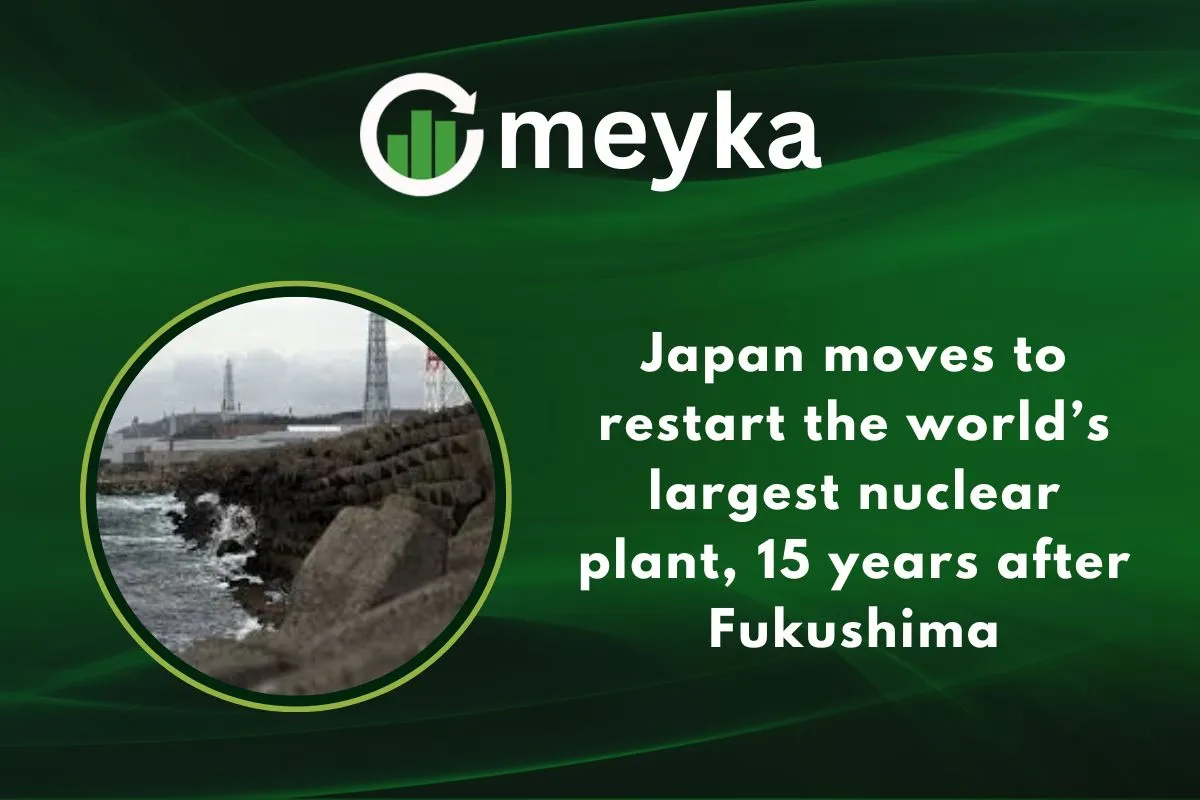
Japan moves to restart the world’s largest nuclear plant, 15 years after Fukushima
We from the global energy community are watching a major shift in Japan’s energy story. Nearly 15 years after the catastrophic Fukushima disaster, Japan is now poised to bring the world’s largest nuclear power plant back online. This decision marks a major milestone in the nation’s energy and climate strategy. The restart reflects Japan’s need for secure energy sources, rising electricity demands, and its commitment to reducing reliance on imported fossil fuels, all while addressing public fears still rooted in history.
Background: Fukushima and Japan’s Nuclear Shift
- Fukushima disaster date: March 2011. A massive earthquake and tsunami hit Japan, causing multiple reactor meltdowns at Fukushima Daiichi.
- Impact: Widespread radiation release and evacuation of thousands of residents.
- Immediate response: Japan shut down nearly all nuclear reactors for safety checks and policy reforms.
- Energy shift: The country relied heavily on imported fossil fuels like coal and LNG. Costs reached ¥10.7 trillion ($68 billion) in one recent year.
- Gradual nuclear restart: Only reactors meeting new, strict safety standards were brought back online.
- Current status: As of late 2025, 14 out of 33 operable reactors are active, helping reduce fossil fuel use and cut emissions.
About the World’s Largest Nuclear Plant
- Location: Kashiwazaki‑Kariwa Nuclear Power Plant, Niigata Prefecture, northwest of Tokyo. Recognized as the largest nuclear power station in the world by net electrical output.
- Operator: Owned by Tokyo Electric Power Company (TEPCO), the same company that managed Fukushima Daiichi.
- Site size: Covers 4.2 sq km along the Sea of Japan coast.
- Power capacity: Multiple reactor units produce nearly 8 GW, enough to supply electricity to millions of homes.
- Current status: Shut down after 2011, but safety upgrades and regulatory approvals have prepared it for a potential restart.
Why Japan Is Restarting the Plant
- Energy security: Limited domestic resources; restarting Kashiwazaki‑Kariwa reduces fossil fuel imports.
- Rising demand: Electricity needs are growing due to tech and data centers; nuclear provides reliable power.
- Climate goals: Nuclear share aimed at 20% by 2040, cutting greenhouse gas emissions.
- Economic stability: Cheaper long-term energy compared to volatile fossil fuels.
Safety Challenges and Public Concerns
- Public skepticism: Many residents feel safety measures are still insufficient and distrust TEPCO.
- Fukushima impact: The 2011 disaster left emotional and psychological scars, fueling ongoing protests.
- Regulatory action: Safety rules have been tightened, and the Nuclear Regulation Authority approved upgrades.
- Main challenge: Rebuilding public trust remains difficult despite improvements.
Regional and Global Implications
Japan’s move is significant not just domestically, but globally:
- Asia‑Pacific energy dynamics: As Japan scales up nuclear again, it could influence energy choices in neighboring countries.
- Climate policy leadership: Restarting large nuclear capacity supports Japan’s contributions to global emission reduction efforts.
- Nuclear industry momentum: A successful restart may reinvigorate nuclear projects elsewhere, where energy security and climate goals are priorities.
Conclusion
Japan’s plan to restart the world’s largest nuclear plant, nearly 15 years after Fukushima, is a bold step at a critical energy and climate crossroads. It reflects a balancing act between energy security, economic needs, environmental goals, and the lingering safety concerns of a nuclear‑traumatized public. The coming months will be crucial as local approvals finalize, and the nation decides how nuclear power fits into its future. If successful, this restart could redefine Japan’s energy path and offer lessons for countries wrestling with similar challenges.
FAQS
To improve energy security, meet rising electricity demand, cut emissions, and reduce dependence on imported fossil fuels.
The Kashiwazaki‑Kariwa Nuclear Power Plant is in Niigata Prefecture, northwest of Tokyo.
Safety rules have been tightened, and upgrades approved, but public trust and disaster concerns remain.
Disclaimer:
The content shared by Meyka AI PTY LTD is solely for research and informational purposes. Meyka is not a financial advisory service, and the information provided should not be considered investment or trading advice.