XRP

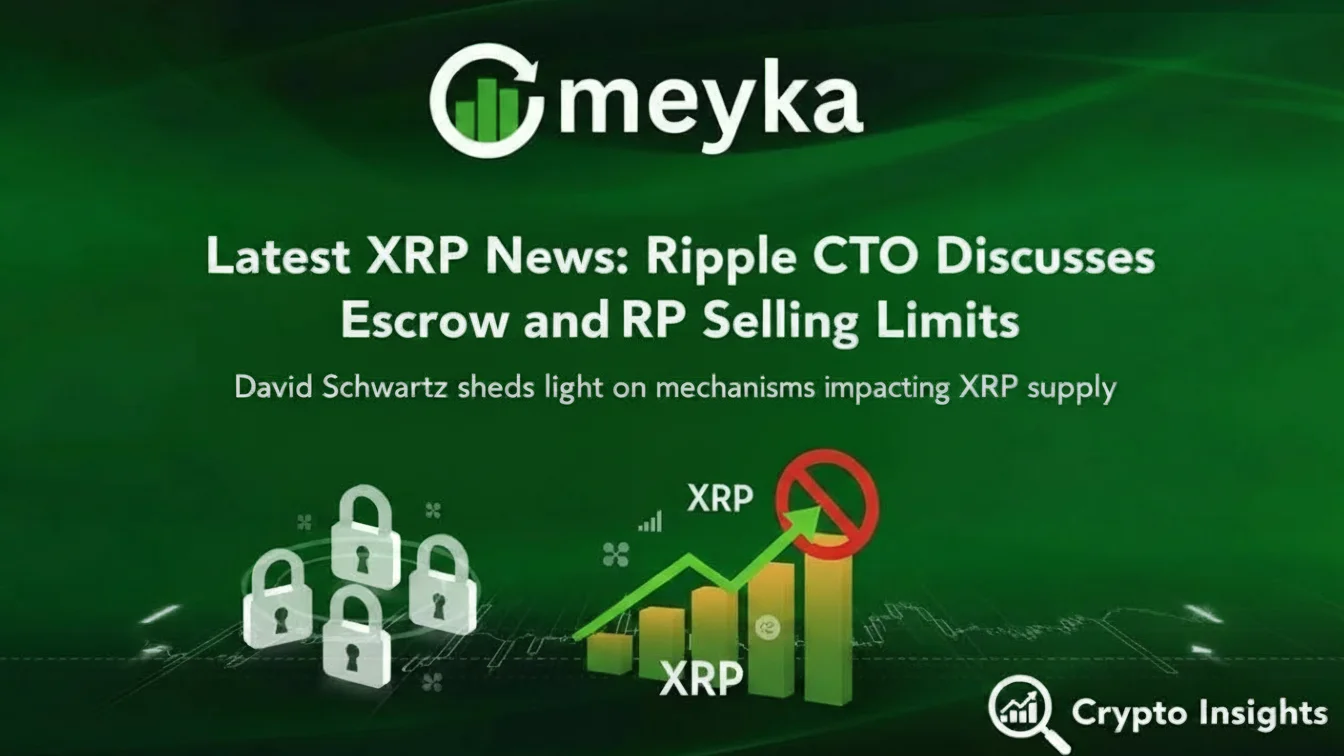
Latest XRP News: Ripple CTO Discusses Escrow and XRP Selling Limits

The latest XRP discussion has gained attention after Ripple’s Chief Technology Officer shared fresh insights about escrow management and limits on token sales. These comments aim to clarify long-standing concerns in the crypto community about supply control, transparency, and the impact of large-scale selling on market stability. For investors, developers, and market watchers, these statements provide important context about how Ripple approaches responsible token distribution and long-term ecosystem growth.

Understanding XRP Escrow and Its Purpose

Ripple introduced the escrow system to bring predictability to the circulating supply of XRP. Under this mechanism, a large portion of tokens is locked in time-based contracts, releasing a fixed amount each month. This structure was designed to reduce uncertainty and prevent sudden supply shocks that could hurt investor confidence.

According to Ripple’s CTO, escrow does not mean unlimited access to tokens. Instead, it creates a controlled release schedule that is visible to the public. Any unused portion of the monthly release is returned to escrow, extending the timeline. This approach helps the market understand potential supply changes well in advance, which is a key factor for price stability.

For those involved in stock research style analysis of crypto assets, escrow transparency is similar to knowing future share issuance plans in traditional markets. It allows participants to factor supply dynamics into valuation models more accurately.

Clarifying XRP Selling Limits

One of the most discussed topics around XRP is the concern that Ripple could sell large amounts of tokens at any time. The CTO addressed this directly by explaining that Ripple follows internal limits and market-based considerations when selling XRP. The goal is to avoid harming liquidity or causing sudden price drops.

Sales are generally tied to supporting ecosystem development, partnerships, and operational needs, not speculative trading. Ripple has repeatedly stated that it does not sell XRP in a way that disrupts healthy market conditions. This reassurance is important for retail and institutional participants who worry about dilution.

From a broader stock market perspective, these controls resemble lock-up periods and insider selling rules that apply to public companies. Such frameworks are designed to protect investors and ensure fair market behavior.

Why These Statements Matter for Investors

Investor confidence often depends on clarity and trust. By openly discussing escrow mechanics and selling limits, Ripple’s leadership aims to reduce misinformation. Unclear supply narratives can fuel volatility, especially in digital asset markets where sentiment changes quickly.

For long term holders, predictable supply management supports the idea that XRP is designed for utility rather than short term speculation. This aligns with Ripple’s focus on cross-border payments, liquidity solutions, and enterprise adoption. When investors understand how supply enters the market, they can make more informed decisions.

Analysts tracking crypto alongside equities often compare these disclosures to earnings calls and regulatory filings. Transparency reduces risk perception, which can positively influence demand over time.

Market Reaction and Price Stability

While short-term price movements depend on many factors, including macro trends and overall crypto sentiment, clarity from leadership can help stabilize expectations. Market participants tend to react positively when uncertainty is reduced, even if no immediate price surge follows.

In recent trading sessions, XRP price action has reflected broader digital asset trends rather than isolated supply fears. This suggests that escrow-related concerns may already be priced in, especially as the system has been in place for years.

Traders using technical analysis and fundamental insights often watch these statements closely, as they can shape medium-term narratives. Reduced fear of sudden selling can lower volatility, which appeals to both traders and long-term investors.

Connection to AI and Data-Driven Market Analysis

The growing use of artificial intelligence in financial markets also plays a role in how XRP news is interpreted. Advanced algorithms scan public statements, on-chain data, and trading volumes to detect patterns. These tools, often linked with AI stocks and fintech innovation, help institutions assess risk more efficiently.

For crypto assets, AI-driven analysis can evaluate escrow releases, historical sales behavior, and price response. This data-driven approach supports a more mature market environment, moving away from speculation and toward measurable fundamentals.

Retail investors also benefit indirectly, as clearer data and analysis tools improve overall market transparency.

Regulatory Context and Institutional Interest

Ripple’s emphasis on structured supply management also ties into regulatory expectations. Regulators often look for clear governance, predictable issuance, and responsible behavior from digital asset issuers. By maintaining escrow controls and explaining sales practices, Ripple strengthens its position in regulatory discussions.

Institutional investors, who are accustomed to compliance standards in traditional finance, often require this level of clarity before committing capital. As crypto continues to intersect with global finance, these practices may influence adoption trends.

Long Term Outlook for XRP Ecosystem

Looking ahead, the focus on escrow discipline and controlled selling supports Ripple’s vision of sustainable growth. Rather than relying on hype, the company emphasizes real-world use cases and gradual ecosystem expansion. This approach may not always generate dramatic short-term price moves, but it can build resilience over time.

For investors comparing crypto assets as part of diversified portfolios, these fundamentals matter. Predictable supply, transparent communication, and alignment with regulatory norms can differentiate XRP from more speculative tokens.

As digital finance evolves, assets that combine utility with governance clarity are more likely to attract consistent interest from both retail and institutional participants.

FAQs

Why does Ripple use escrow for the XRP supply?

Escrow helps control and predict token release, reducing uncertainty and protecting market stability.

Can Ripple sell unlimited XRP at once?

Ripple adheres to internal limits and market-based considerations, avoiding large sales that could disrupt market prices.

How does this affect XRP investors?

Clear supply rules and transparency help investors make informed decisions and reduce the fear of sudden dilution.

Disclaimer:

The content shared by Meyka AI PTY LTD is solely for research and informational purposes. Meyka is not a financial advisory service, and the information provided should not be considered investment or trading advice.

Similar Posts

Leave a Reply

Your email address will not be published. Required fields are marked *