Novo and Lilly

Novo and Lilly Reduce Prices of Weight-Loss Drugs in China

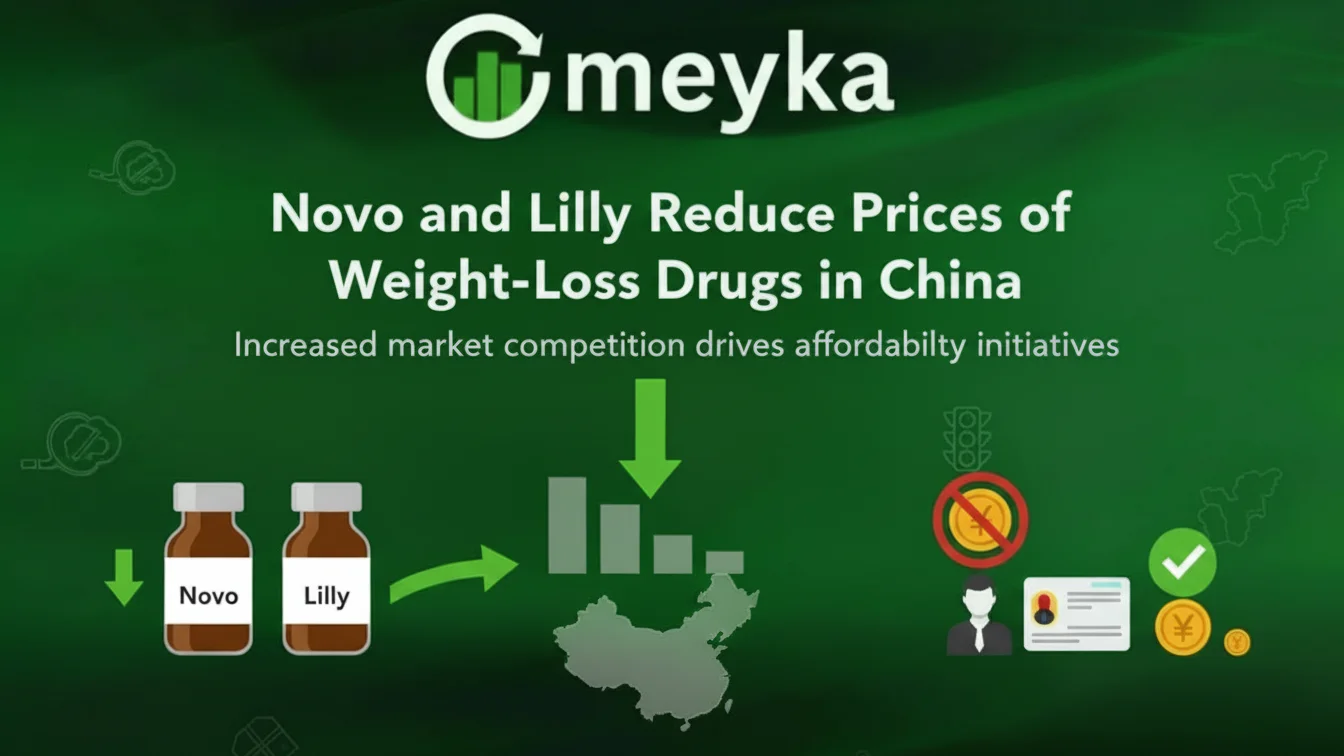
Novo Nordisk and Eli Lilly have taken a major step in China’s healthcare market by cutting prices of their leading weight-loss drugs, a move that could expand access for millions of patients and reshape competition in the pharmaceutical sector. Novo and Lilly reduced prices as China faces rising obesity rates, stronger local competition, and upcoming patent expiries for key medicines.

China is now one of the fastest-growing markets for obesity treatment. Health data shows that more than 50 percent of Chinese adults are overweight, and this number is expected to rise further by 2030. Until now, high prices kept many advanced weight-loss drugs out of reach for average patients. The latest price cuts aim to change that.

What Changed in Drug Pricing

Novo Nordisk lowered prices of its GLP-1 weight-loss drug Wegovy across several Chinese provinces. Reports indicate price cuts of up to 40 to 50 percent on higher doses in selected regions. Monthly treatment costs that once exceeded 2,000 yuan have dropped closer to the 1,000 to 1,300 yuan range in some local markets.

Eli Lilly has also confirmed price reductions for Mounjaro in China, with new pricing expected to take effect in early 2026. While full national pricing details are still emerging, hospital procurement data suggests meaningful cuts designed to remain competitive as the market opens up.

These decisions reflect a shift toward volume-driven sales rather than premium pricing.

Why Novo and Lilly Cut Prices Now

One of the biggest reasons behind the move is patent timing. The patent for semaglutide, the active ingredient in Wegovy, is expected to expire in China by 2026. This opens the door for domestic drugmakers to launch cheaper generic alternatives.

Chinese pharmaceutical firms are already developing similar GLP-1 drugs, often at significantly lower costs. By cutting prices early, Novo and Lilly aim to protect market share before competition intensifies.

China’s healthcare regulators are also pushing for lower drug prices, especially for treatments that address widespread public health issues such as obesity and diabetes.

Impact on Patients in China

Lower prices could greatly improve access. Before these cuts, many patients had to pay fully out of pocket, limiting long-term use. Doctors report that cost was the main reason patients stopped treatment early.

With reduced pricing, more patients may now stay on therapy for longer periods, which improves health outcomes. Obesity is linked to heart disease, diabetes, and stroke, conditions that already place heavy pressure on China’s healthcare system.

The changes may also increase prescriptions by doctors who previously avoided recommending these drugs due to affordability concerns.

Effects on Global Markets and Stocks

The pricing shift has attracted attention from investors tracking pharmaceutical and healthcare stocks. Shares of Novo Nordisk and Eli Lilly are closely followed in the global stock market, especially as weight-loss drugs remain one of the fastest-growing segments in medicine.

While lower prices could reduce profit margins in China, analysts note that higher sales volumes may offset this impact. China represents a long-term growth opportunity rather than a short-term profit center.

This development is also relevant for investors focused on stock research, as pricing strategy changes can affect earnings forecasts and long-term valuation. Healthcare investors often compare these moves with trends seen in AI stocks, where scale and adoption matter more than early pricing power.

Competition From Chinese Drugmakers

Local Chinese companies are moving quickly. Several firms have GLP-1 drugs in late-stage clinical trials, and some are expected to launch within the next two years. These domestic alternatives are likely to be priced well below imported brands.

This competitive pressure explains why Novo and Lilly are adjusting their strategies earlier than expected. Retaining brand trust and doctor preference will be critical once cheaper options enter the market.

China’s focus on domestic innovation also means foreign companies must balance pricing with partnerships and local manufacturing.

Regulatory and Policy Influence

China’s centralized drug procurement often pushes prices down through bulk purchasing. While weight-loss drugs are not yet fully included in national insurance coverage, future inclusion could require further price negotiations.

Regulators are increasingly focused on cost efficiency, especially for drugs targeting chronic conditions. Companies that align with these goals are more likely to maintain strong long-term market access.

Long-Term Outlook for the Weight-Loss Drug Market

The obesity treatment market in China is still in its early stages. Industry estimates suggest it could be worth more than $10 billion annually within a decade. Lower prices could accelerate adoption and normalize medical weight-loss treatment.

For Novo and Lilly, China remains a strategic market rather than a quick revenue win. Their pricing decisions reflect a long-term view focused on scale, brand leadership, and sustained demand.

For patients, the biggest benefit is clear, more affordable access to effective treatment.

FAQs

Why did Novo and Lilly reduce prices in China?

They reduced prices to improve patient access, prepare for patent expiry, and stay competitive as Chinese drugmakers develop lower-cost alternatives.

Which drugs are affected by the price cuts?

Novo Nordisk’s Wegovy and Eli Lilly’s Mounjaro are the main weight-loss drugs impacted by the pricing changes.

How does this affect investors and the stock market?

Lower prices may reduce short-term margins, but higher sales volumes and long-term growth in China could support future earnings, making this an important factor in stock research and stock market analysis.

Disclaimer:

The content shared by Meyka AI PTY LTD is solely for research and informational purposes. Meyka is not a financial advisory service, and the information provided should not be considered investment or trading advice.

Similar Posts

Leave a Reply

Your email address will not be published. Required fields are marked *