Nvidia

Nvidia appoints senior Google executive as its first Chief Marketing Officer

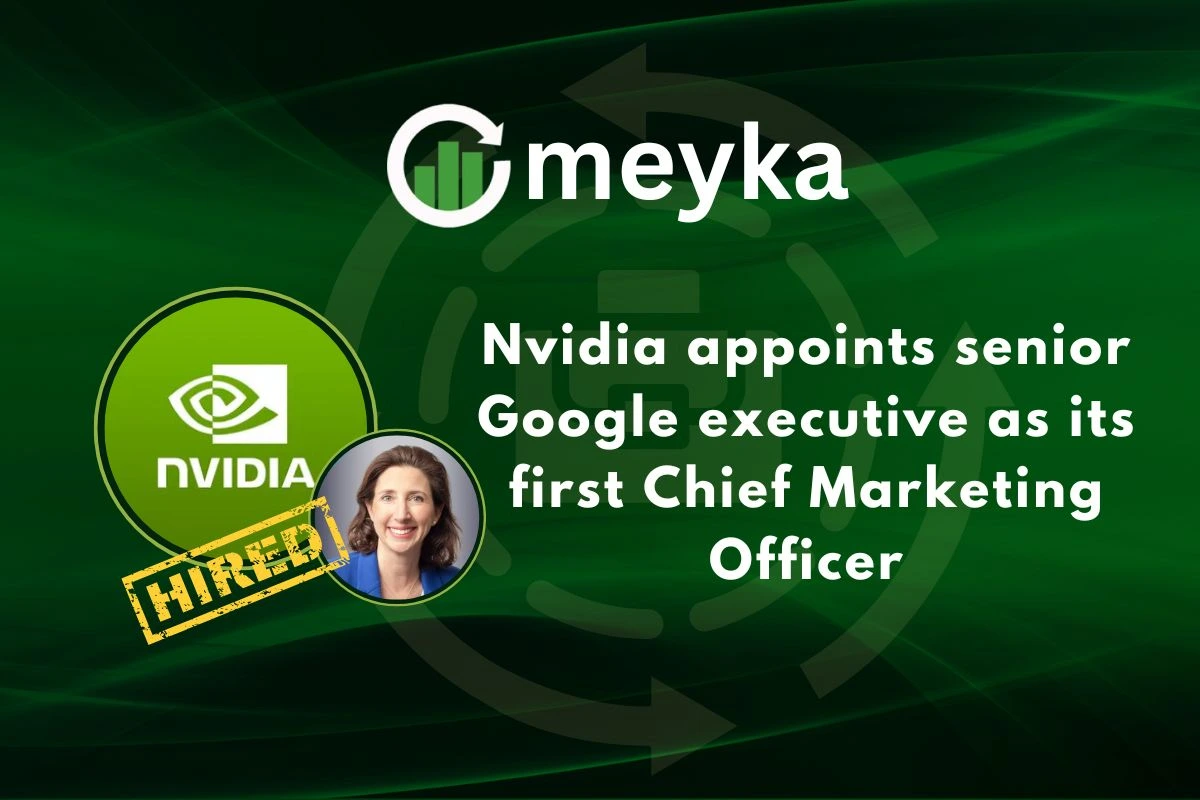
On January 9, 2026, Nvidia made a move many in tech did not expect. The company named a senior Google executive as its first-ever Chief Marketing Officer. This is a big change for a firm known more for engineering and fast chips than marketing stories.

Alison Wagonfeld, a long-time Google Cloud marketing leader, will leave Google and start at Nvidia in February 2026. She will lead all global marketing and report directly to CEO Jensen Huang.

Nvidia has grown into one of the most powerful companies in AI and computing. But its brand is still less familiar to the public than other tech giants. Hiring a CMO shows Nvidia wants to change that. This hire could shape how the world sees its products and vision.

Why Nvidia’s First Chief Marketing Officer Matters  Beyond the Basics?

Who is Alison Wagonfeld is and why is her hire big?

Nvidia has chosen Alison Wagonfeld, a long-time Google Cloud marketing leader, as its first-ever Chief Marketing Officer. She will start in February 2026 and report directly to Nvidia CEO Jensen Huang. Wagonfeld will lead global marketing and communications and oversee all brand strategy for the company.

Wagonfeld spent nearly a decade at Google Cloud, helping scale its marketing and build its global presence. Her experience includes aligning enterprise solutions with clear customer value. At Nvidia, her role marks a major shift from decentralized marketing to unified strategic leadership.

This hire comes at a time when Nvidia is one of the world’s most valuable technology companies and a dominant force in AI hardware and ecosystems. But despite huge financial success, Nvidia’s brand recognition still trails consumer tech giants like Apple and Microsoft. A strong marketing voice can help close that gap and expand Nvidia’s influence beyond engineering audiences.

Why Nvidia Needed a CMO: A Strategic Shift?

Until now, Nvidia’s marketing duties were spread across multiple executives. This worked when the company mainly sold chips to gamers and cloud providers. But Nvidia’s products and markets have changed dramatically.

Today, Nvidia is not just a GPU maker. It builds full AI platforms that include software, systems, and services. These offerings are complex. They must be explained well to attract enterprise buyers and strategic partners. A CMO can shape a clear, unified message that shows companies why Nvidia matters across their business goals.

This role also comes as Nvidia faces higher pressure to communicate its long-term vision and value proposition to global markets. Strong communications help support investor confidence, partner engagement, and enterprise trust in its AI ecosystem.

Key Marketing Challenges Nvidia Must Tackle

One major challenge is brand recognition. Nvidia leads in technical performance and AI infrastructure, but many outside the tech industry still know it mainly for gaming GPUs. A tighter marketing strategy can explain Nvidia’s role in real-world AI adoption and industry transformation.

Another challenge is communicating the value of full-stack solutions. Nvidia’s AI platforms combine chips, networking, and software. Each can be hard for customers to understand as a single value proposition. The new CMO must simplify this narrative for business leaders making large tech investments.

Nvidia also needs to face competition from rivals like AMD and Intel, and positional challenges around vendor lock-in concerns. Clear messaging can help shape buyer perceptions and reinforce Nvidia’s advantages.

What does This Hire mean for Nvidia’s Business Future?

Hiring Wagonfeld signals that Nvidia wants to do more than sell products. The company now aims to position itself as a global AI leader with a strong voice in enterprise and public discourse. Marketing will help tie complex technology to business outcomes.

While this change won’t instantly raise quarterly sales or change product cycles, it can elevate Nvidia’s brand as the business scales. Clear messaging is crucial as the company enters new markets and broader industry conversations about AI’s role in society and enterprise.

The appointment also places the marketing function inside Nvidia’s executive leadership for the first time, giving it strategic influence over how the company presents itself globally. As Nvidia’s technologies reach more industries, coherent branding may be the key to attracting enterprise clients and future partners.

Nvidia Strategic Insights: What to Watch Next?

How Wagonfeld shapes Nvidia’s voice will show the depth of this transformation. Look for changes in how Nvidia explains its AI platforms to business leaders and investors. Messaging will likely become more story-driven and value-oriented, moving away from purely technical descriptions.

Another area to watch is how Nvidia aligns this new marketing leadership with product strategy, partnerships, and external communications. Successful integration could strengthen Nvidia’s position in a fast-changing AI landscape where narrative and perception are as important as performance.

Final Words

Nvidia’s decision to hire its first CMO is more than a new job title. It reflects a shift toward strategic storytelling and global brand leadership at a time of rapid growth in AI markets. With Wagonfeld’s experience, Nvidia is poised to refine its message, expand its reach, and better communicate its vision for the future of computing and AI.

Frequently Asked Questions (FAQs)

Who is Nvidia’s first Chief Marketing Officer?

Nvidia named Alison Wagonfeld as its first Chief Marketing Officer on January 9, 2026. She previously held senior marketing roles at Google Cloud and worked on enterprise technology branding.

Why did Nvidia create a Chief Marketing Officer role now?

Nvidia created the CMO role in 2026 to improve global brand messaging as the company expands beyond chips into AI platforms, software, and enterprise solutions across multiple industries.

How could Nvidia’s new CMO impact its AI business?

The new CMO may help Nvidia clearly explain its AI products to businesses and investors, improve brand trust, and support long-term growth in global AI and computing markets.

Disclaimer

The content shared by Meyka AI PTY LTD is solely for research and informational purposes. Meyka is not a financial advisory service, and the information provided should not be considered investment or trading advice.

Similar Posts

Leave a Reply

Your email address will not be published. Required fields are marked *