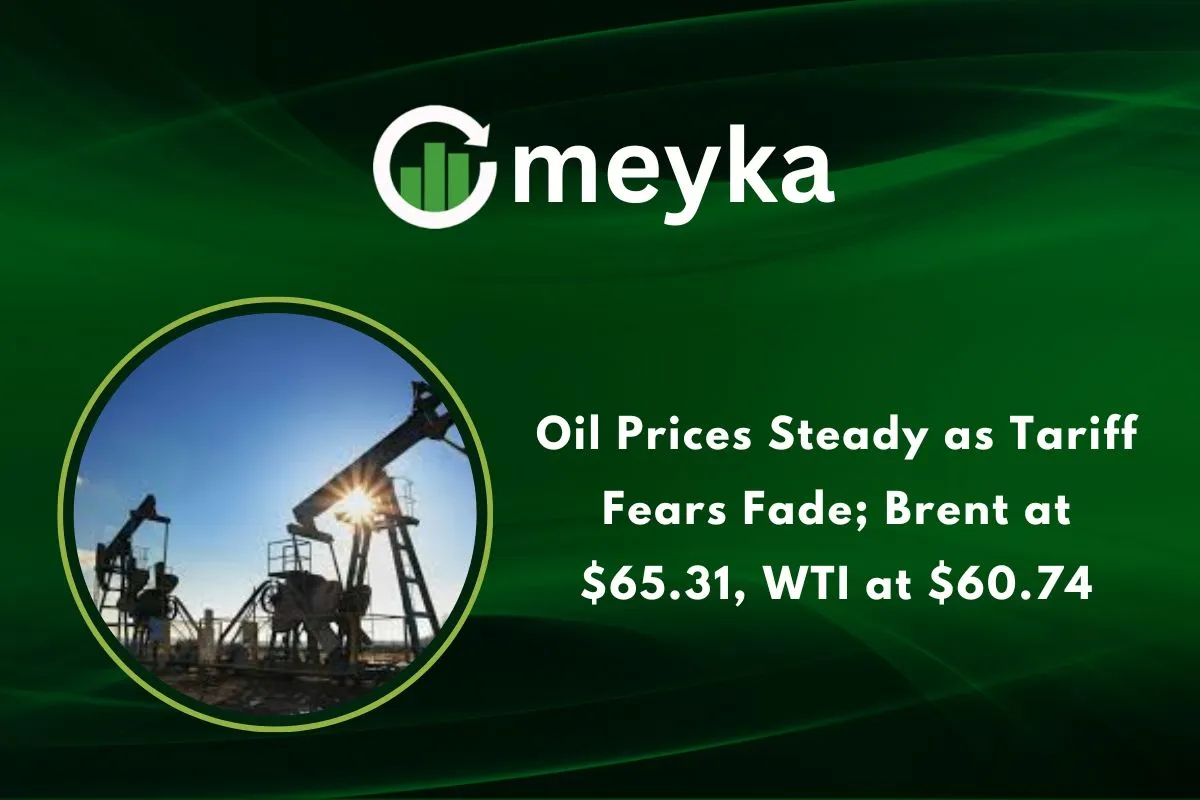
Oil Prices Steady as Tariff Fears Fade; Brent at $65.31, WTI at $60.74
Oil prices remained stable this week as fears of global tariff wars eased and markets shifted focus to supply and demand fundamentals. Brent crude was trading around $65.31 per barrel and U.S. West Texas Intermediate (WTI) around $60.74 per barrel, showing little movement after jitters over trade tensions reduced significantly.
What Caused the Recent Oil Price Volatility?
- Tariff Fears: Traders were worried about U.S. tariffs linked to the Greenland purchase plan. This raised fears of a trade war with Europe.
- Economic Growth Concern: Tariffs can slow global growth. Slower growth means less oil demand for factories, transport, and industry.
- Past Example: During the US–China trade dispute, oil prices fell sharply as recession fears rose.
- Middle East Tensions: Geopolitical tensions, especially around Iran, briefly pushed oil prices up due to supply disruption fears.
- Cooling Tensions: As tensions with Iran cooled, the risk premium on oil prices reduced.
Why Oil Prices Are Stabilizing Now
- Tariff Fears Fade: U.S. leaders stepped back from aggressive tariff threats, especially over Greenland, easing trade-war concerns.
- Supply Concerns Remain: U.S. crude inventories rose, suggesting supply may be higher than expected. This kept prices from rising too much.
- Geopolitical Risks Easing: Tensions in Iran and nearby regions eased slightly, reducing supply disruption fears.
- Balanced Market: Overall, markets are calmer and not reacting strongly to every headline.
Brent vs WTI: What’s the Difference and Why the Gap Matters
- Brent vs WTI: Brent crude comes from the North Sea and is the global benchmark for about 2/3 of the world’s oil trade.
- WTI Details: WTI (West Texas Intermediate) is from the U.S. and is lighter and sweeter, usually cheaper than Brent.
- Price Gap Reason: The Brent premium reflects transport costs, quality, and global demand patterns.
- Current Gap: Brent is above WTI, showing balanced demand fears and still-strong consumption in major markets like China and the U.S.
Market Outlook: What Experts Expect Next
- Bearish View: Some analysts expect oil to drop if demand weakens or supply grows faster than consumption.
- Price Forecast: One analyst predicts WTI could fall to $52 and Brent to $56–57 in H1 2026.
- Bullish View: Others say demand is stabilizing in Asia, especially after strong China growth in late 2025.
- Key Indicators to Watch:
- U.S. Inventory Reports: Big builds can push prices down.
- OPEC+ Decisions: Output cuts or increases can move prices sharply.
- Trade/Tariff News: Any new tariff threats can revive volatility.
Impact on Consumers and Businesses
- Consumer Benefit: Stable oil prices often lead to stable fuel prices, helping household budgets.
- Business Planning: Transport, logistics, and manufacturing benefit from predictable energy costs.
- Industry Impact: Airlines, shipping, and trucking closely track oil prices for budgeting.
- Downside: Lower oil prices can hurt energy company profits and reduce investment in new production.
Conclusion
Oil prices right now are in a steady phase. This comes after tariff fears eased and markets focused more on real supply and demand fundamentals. Brent sits at about $65.31 a barrel while WTI holds near $60.74, with both benchmarks reflecting a cautious but balanced outlook.
In a world where energy drives everything from transport to manufacturing, oil prices remain one of the most watched economic indicators, and right now, they are telling us the global economy is cautious but not collapsing.
FAQS
Tariff fears have eased, and supply concerns are balanced, so markets are calmer.
Brent is from the North Sea, and WTI is from the U.S. Brent is usually slightly higher.
U.S. inventory reports, OPEC+ decisions, and new trade or tariff news.
Stable oil usually means steady fuel prices, helping household budgets.
Disclaimer:
The content shared by Meyka AI PTY LTD is solely for research and informational purposes. Meyka is not a financial advisory service, and the information provided should not be considered investment or trading advice.