Panama

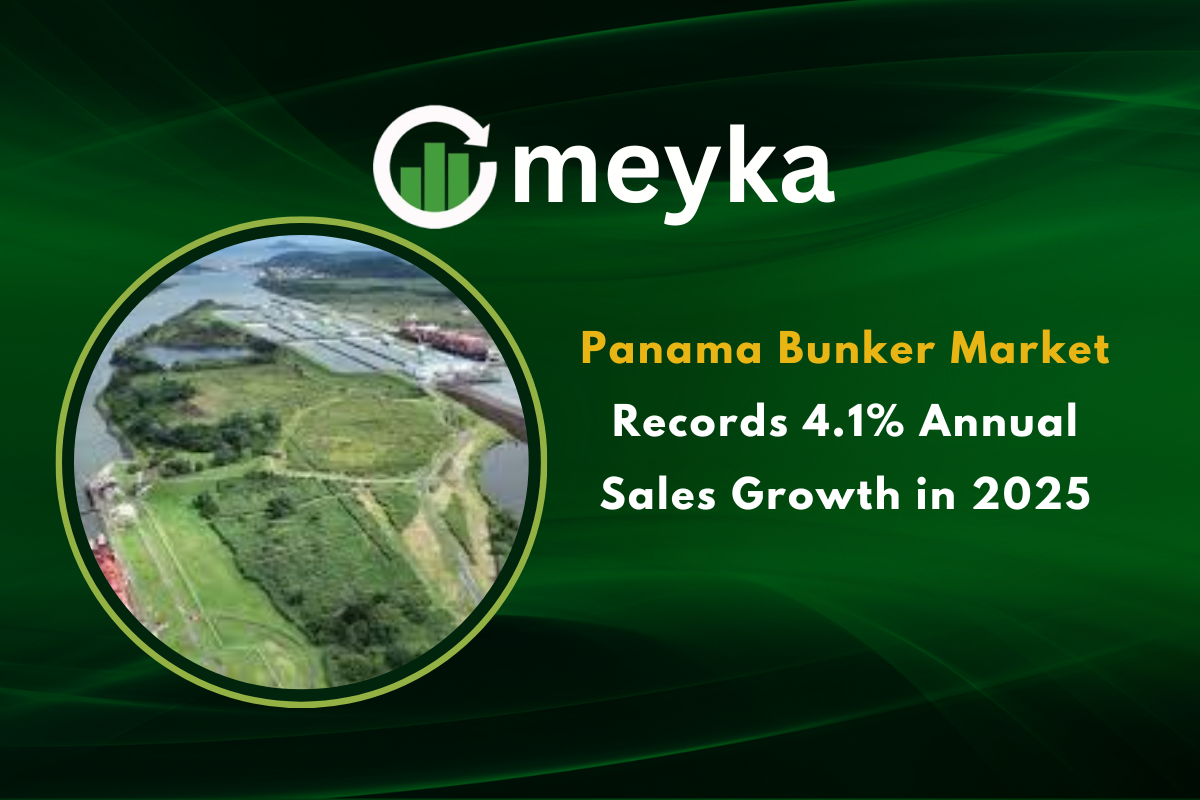
Panama Bunker Market Records 4.1% Annual Sales Growth in 2025

The Panama bunker market delivered a solid performance in 2025, recording 4.1% year on year growth in fuel sales, according to industry data released by maritime energy tracking platforms. This growth highlights Panama’s strong position as a global bunkering hub, supported by steady vessel traffic, higher consumption of compliant marine fuels, and improving trade flows.

For investors, shipping companies, and energy market watchers, this growth signals resilience in the maritime fuel sector despite global economic uncertainty, fuel price volatility, and tightening environmental rules. Panama’s strategic location, especially around the Panama Canal, continues to attract vessels seeking reliable, efficient, and regulation-compliant fuel supply.

This article explains what drove Panama’s bunker sales growth in 2025, which fuel types performed best, what the data means for investors, and how the market may evolve in the coming years.

Panama Bunker Market Performance in 2025

The Panama bunker market recorded a 4.1% year on year increase in total fuel sales in 2025, mainly supported by higher demand for very low sulfur fuel oil. Industry sources report that the increase came despite challenges such as fluctuating crude prices, geopolitical trade disruptions, and pressure on shipping margins.

Panama remains one of the most important bunkering locations in the Americas due to its proximity to major shipping routes connecting Asia, the United States, Europe, and Latin America. Ships transiting or waiting near the Panama Canal often refuel to optimize operational efficiency.

The sales growth confirms that Panama continues to benefit from its strategic maritime role, even as global shipping companies optimize fuel usage and route planning.

Why did bunker sales rise in Panama

The rise in bunker sales can be traced to several combined factors. First, vessel traffic through and around the Panama Canal remained steady throughout 2025. Second, shipping companies increasingly favored Panama for refueling due to supply reliability and compliance with environmental fuel standards.

Another major reason was higher sales of very low sulfur fuel oil, which is widely used to meet global sulfur emission rules. As more vessels move away from high-sulfur fuels, demand for compliant options has increased at major ports like Panama.

Fuel Type Breakdown Driving Panama Growth

  • Very low sulfur fuel oil recorded the strongest growth share
  • Marine gasoil demand remained stable across the year
  • High sulfur fuel oil usage stayed limited due to regulations
  • Fuel switching trends supported higher average bunker volumes

Role of Very Low Sulfur Fuel Oil in Panama

One of the clearest trends behind Panama’s bunker market growth in 2025 was the strong performance of very low sulfur fuel oil. This fuel type continues to dominate marine fuel demand as ship operators comply with International Maritime Organization sulfur limits.

Panama’s ability to supply consistent volumes of compliant fuel has strengthened its reputation among global shipping firms. This reliability matters because ships cannot afford delays or quality issues at critical refueling points.

According to industry data, VLSFO sales accounted for the majority of incremental growth in Panama during the year. This trend aligns with global shipping patterns, where operators prefer fuels that reduce compliance risk and operational complexity.

Is this demand sustainable?

Most analysts believe that demand for very low sulfur fuel oil will remain strong in the medium term. While alternative fuels are gaining attention, adoption remains gradual. As a result, Panama’s bunker suppliers are expected to continue focusing on compliant liquid fuels for several years.

Impact of Panama Canal Operations on Bunker Sales

The Panama Canal plays a central role in bunker demand. Even during periods of water level management and transit scheduling changes, vessel traffic around Panama remained robust in 2025.

Ships waiting for canal slots often refuel locally rather than diverting to other ports. This behavior supports bunker volumes even when transit volumes fluctuate slightly.

Additionally, Panama’s anchorage areas have become important refueling zones, allowing ships to bunker efficiently without entering congested ports.

Does canal congestion increase fuel sales

Yes, temporary congestion can lead to higher bunker demand. Vessels that experience waiting times may choose to top up fuel reserves, especially if future route conditions are uncertain.

Investor Perspective on Panama Bunker Market Growth

From an investor’s viewpoint, the 4.1% growth in Panama bunker sales is a positive signal. It suggests that maritime fuel demand remains stable even as shipping companies manage costs carefully.

Energy market investors often track bunker sales as a proxy for shipping activity and trade flows. Panama’s performance in 2025 indicates healthy regional shipping dynamics.

Some investors now use advanced AI Stock research platforms to assess how port-level fuel demand links to broader energy market trends. Panama’s data strengthens the case for continued investment in maritime fuel infrastructure and logistics.

How Panama Compares to Other Bunkering Hubs

Globally, bunkering hubs such as Singapore, Rotterdam, and Fujairah compete for volume leadership. While Panama operates on a smaller scale, its growth rate in 2025 compares favorably with several established hubs.

Panama’s advantage lies in geography. Unlike hubs that depend on regional traffic, Panama benefits from global east-west and north-south trade flows converging at the canal.

This structural advantage provides resilience against localized trade slowdowns.

Regulatory Environment Supporting Panama Bunker Sales

Panama has aligned its bunker fuel supply standards with international maritime regulations. This alignment gives ship operators confidence that fuels purchased in Panama meet global compliance requirements.

Strict quality checks and enforcement reduce the risk of off-specification fuel incidents. This reliability is critical for modern vessels with complex engines and emissions systems.

The regulatory framework also supports transparency in fuel measurement and delivery, which enhances trust between suppliers and buyers.

Operational Efficiency and Supply Chain Strength

Panama’s bunker market benefits from efficient supply chains, including storage terminals, barge fleets, and logistics coordination. These systems allow suppliers to respond quickly to changing demand patterns.

Operational efficiency reduces delays and costs for ships, making Panama an attractive refueling option even when fuel prices fluctuate.

Shipping companies increasingly rely on trading tools that help optimize refueling decisions based on price, route, and availability. Panama consistently ranks well in such optimization models.

Predicted Outlook for Panama Bunker Market

  • Annual bunker sales growth expected to remain between 3% and 5%
  • Very low sulfur fuel oil to remain dominant fuel type
  • Gradual introduction of alternative fuels over the longer term
  • Continued investment in storage and bunkering infrastructure

Long-Term Energy Transition and Panama

While conventional marine fuels still dominate, the maritime industry is gradually exploring alternative energy sources. Panama is expected to participate in this transition, but not at the expense of its current bunker strength.

Alternative fuels such as methanol and ammonia require significant infrastructure upgrades. Until adoption accelerates, Panama’s bunker market will continue to rely mainly on compliant oil-based fuels.

Industry analysts using AI stock analysis models suggest that ports with strong conventional fuel demand and strategic location will remain profitable during the transition phase. Panama fits this profile well.

Risk Factors to Watch

Despite strong growth, investors should monitor certain risks. These include global trade slowdowns, regulatory changes, fuel price volatility, and technological shifts toward alternative propulsion.

Water management at the Panama Canal can also affect vessel traffic patterns. However, 2025 data shows that bunker demand remained resilient even during operational adjustments.

Conclusion: Panama Strengthens Its Position in Global Bunkering

The Panama bunker market’s 4.1% annual sales growth in 2025 confirms the country’s strong role in global maritime energy supply. Supported by rising demand for compliant fuels, reliable infrastructure, and strategic geography, Panama continues to attract ships from across the world.

For investors, the data reflects stability and opportunity in the maritime fuel sector. While energy transition discussions continue, conventional bunker fuels remain essential, and Panama is well-positioned to benefit.

As shipping evolves and trade routes adjust, Panama’s bunker market is likely to remain a cornerstone of regional maritime activity, offering steady growth and long term relevance in the global energy landscape.

Disclaimer

The content shared by Meyka AI PTY LTD is solely for research and informational purposes. Meyka is not a financial advisory service, and the information provided should not be considered investment or trading advice.

Similar Posts

Leave a Reply

Your email address will not be published. Required fields are marked *