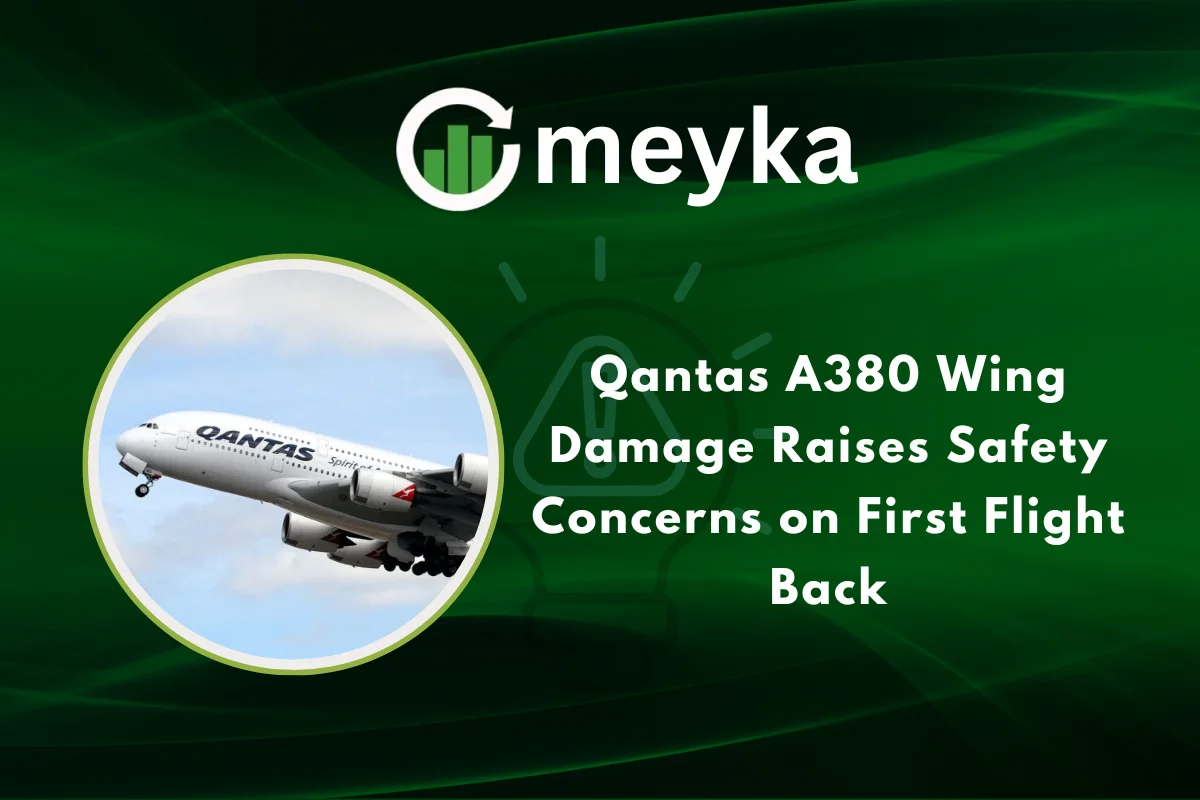
Qantas A380 Wing Damage Raises Safety Concerns on First Flight Back
Qantas Airways is under the spotlight after wing damage was discovered on an Airbus A380 during its first flight back after maintenance. The incident has raised safety concerns, questions about maintenance practices, and potential impacts on passenger confidence.
The affected A380 was flying from Sydney to Los Angeles. Soon after takeoff, technicians identified minor structural damage near the left wing. The plane landed safely, and Qantas immediately grounded it for inspection and repairs. The airline emphasized that this precaution aligns with international aviation safety standards.
What Happened During the Flight
Reports indicate the damage occurred near the trailing edge of the left wing. Preliminary assessments suggest stress or fatigue from maintenance handling as a possible cause.
Even though the aircraft landed safely, engineers emphasized the importance of thoroughly investigating the issue. Both Qantas and Airbus specialists are now performing detailed inspections to confirm structural integrity and plan necessary repairs.
Understanding the Importance of Maintenance
The A380 is a complex, double-deck aircraft. Its size and engineering complexity require careful handling during maintenance. Even minor issues, if left unaddressed, could have serious consequences.
Planes returning from extended storage or major maintenance checks are subjected to rigorous inspections before re-entering commercial service. This ensures the aircraft meets the highest safety standards.
The Qantas incident highlights the critical role of proactive maintenance. Structural components, especially wings, must be regularly checked for stress, fatigue, and wear. Airlines worldwide follow similar protocols to protect passengers and maintain operational safety.
Qantas’ Immediate Response
Qantas acted quickly after identifying the damage. The aircraft was grounded for repairs, and passengers were promptly informed. Alternative flight arrangements were made for those affected.
The airline also announced additional inspection protocols for the A380 fleet, focusing on stress-prone components. CEO Vanessa Hudson stated, “Our passengers’ safety is paramount. We are taking all necessary steps to ensure the structural integrity of our fleet and to maintain public trust.”
This proactive response demonstrates the airline’s commitment to safety and transparency, which is crucial for maintaining public confidence.
Implications for Passenger Confidence
Even minor incidents like wing damage can affect passenger perception. Transparency and swift action are key to maintaining trust.
Qantas’ grounding of the aircraft, combined with detailed inspections, signals that safety is the top priority. While such incidents can cause concern, the airline’s handling of the situation is likely to reassure passengers.
Operationally, grounding an A380 can disrupt schedules. These aircraft carry hundreds of passengers, and flight cancellations or delays can have a cascading effect across multiple routes. Qantas is currently managing flight schedules and deploying alternate aircraft where possible.
Investor and Market Considerations
Safety incidents can also influence investor sentiment. Airlines are sensitive to operational risks, and any safety concerns may affect short-term stock performance.
Market analysts will closely monitor Qantas’ response, looking for indications of whether the issue is isolated or could affect broader fleet operations. Maintaining safety standards and addressing the wing damage efficiently is likely to minimize negative market reactions.
Broader Aviation Context
The Airbus A380 is the world’s largest passenger aircraft. Its size and complexity make maintenance oversight particularly important.
Aviation authorities, including the International Civil Aviation Organization (ICAO), enforce strict standards for inspections, repairs, and documentation. Airlines must comply with these regulations to continue safe operations.
This incident serves as a reminder to airlines globally that careful handling, proper maintenance, and timely inspections are critical, especially for large aircraft returning from extended downtime.
Furthermore, the A380 fleet is aging. While these planes are highly reliable, components experience wear over time. Airlines must balance operational efficiency with safety, ensuring regular structural checks and preventive maintenance.
Engineering Analysis and Repairs
The wing damage is being thoroughly investigated. Engineers are assessing whether the issue resulted from normal wear, maintenance handling, or other stress factors.
Repairs will focus on restoring full structural integrity. Depending on the findings, Qantas may implement design modifications, enhanced inspection routines, or additional monitoring measures for the entire A380 fleet.
The airline and Airbus specialists are also evaluating preventive measures. This may include more frequent structural inspections and stress tests, especially for components exposed to high aerodynamic loads during flight.
Impact on Future Operations
Grounding a major aircraft like the A380 can affect long-haul routes significantly. Qantas is adjusting schedules, including deploying alternate aircraft or temporary route changes, to minimize disruption.
Passengers on affected flights are being offered support, including rebooking options and compensation where necessary. The airline is working to ensure that travel experiences remain smooth while addressing the technical issue responsibly.
From a strategic perspective, Qantas’ handling of this incident may reinforce public confidence in airline safety. Passengers are more likely to trust carriers that act transparently and prioritize safety over schedules.
Lessons for the Aviation Industry
The Qantas A380 incident underscores the importance of rigorous fleet maintenance and monitoring. Key lessons include:
- Proactive Inspections: Large aircraft require frequent checks of critical components like wings, engines, and landing gear.
- Transparency: Prompt communication with passengers and stakeholders builds trust.
- Collaboration with Manufacturers: Working closely with Airbus ensures repairs and safety measures meet industry standards.
- Aging Fleet Management: Even reliable aircraft need careful oversight as they age to prevent minor issues from becoming major problems.
This case may also influence maintenance strategies for other airlines operating large aircraft or planning to return planes from storage.
What to Expect Next
Engineers will complete a detailed assessment of the wing damage. Repairs may take several days, depending on complexity. Regulatory authorities are expected to review the incident and Qantas’ response. Their evaluation may influence future maintenance and inspection requirements for the A380 fleet.
Passengers and aviation observers will continue to monitor developments. The outcome could affect maintenance practices, airline safety policies, and operational protocols across the industry.
FAQs
The wing damage appears to be minor, likely due to stress or structural fatigue during maintenance. No immediate risk to passengers was detected.
Yes. Qantas follows strict international aviation safety standards. All other A380s in the fleet undergo routine inspections and are cleared for service.
Some flight schedules may be adjusted. The airline is using alternate aircraft and providing passenger support while ensuring safety remains the top priority.
Disclaimer:
The content shared by Meyka AI PTY LTD is solely for research and informational purposes. Meyka is not a financial advisory service, and the information provided should not be considered investment or trading advice.