Rachel Reeves

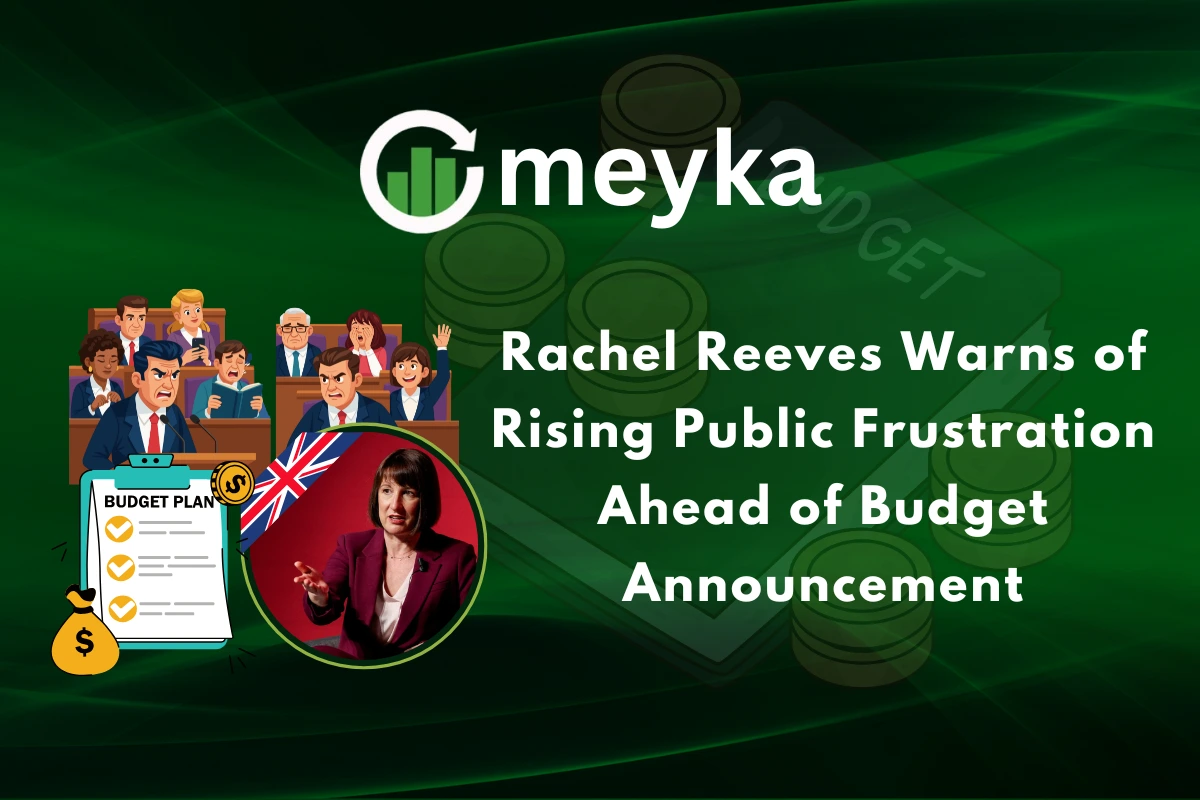
Rachel Reeves Warns of Rising Public Frustration Ahead of Budget Announcement

On 26 November 2025, Rachel Reeves, the UK Chancellor, warned that many people are feeling more frustrated than ever as the nation waits for the new budget. She said families are worried about rising costs, slow change, and unfairness in the economy. 

The upcoming budget is being watched closely. People expect relief. They hope for help with bills, jobs, and everyday pressures. If the budget fails, frustration could boil over. But Reeves says she must make “fair and necessary choices.”

This warning shows the weight on the government’s shoulders. Many feel the time for change is now. The coming budget could shape how people feel about their future and their leaders.

Economic Snapshot: Why Frustration is Rising?

Living costs remain high. Pay growth lags behind prices. Public services show strain. These pressures have stacked up for years. Many households now face tight budgets and hard choices. Business groups and investors warn that growth is weak. Markets have watched every hint from the Treasury. The result is rising public impatience with slow change. Recent official forecasts show a bigger spending gap than expected. That leaves less room for generous giveaways and raises the stakes for this budget.

Reeves’ Message: Urgency and Fairness on the Line

On 25 November 2025, Rachel Reeves warned that people felt “angry at unfairness” in the economy. She said the government must act to restore trust. She aims to show that choices are fair and necessary. The tone was firm. The timing was pointed. The warning came just hours before she set out the Budget plans. Critics say this was also a pre-emptive defence of tough measures. Supporters argue it signalled honesty about hard trade-offs.

Tough Fiscal Realities are Shaping the Options

The public finances face a gap of around tens of billions. That reality limits options. A cut in VAT on energy was considered. It was then scrapped as too costly and short-lived. Instead, the Treasury opted to shift some energy levies off bills and onto general taxation. The move aims to reduce bills but keep incentives for clean energy. The Chancellor must balance short-term relief with long-term goals. Each measure has trade-offs for inflation, debt, and future services.

What Voters are Demanding Now?

People want help with daily bills. They want secure jobs and higher pay. They want safe hospitals and quicker housing decisions. Many ask for targeted help rather than broad cuts. Pensioners and low earners want concrete support now. Younger households seek job prospects and affordable housing. These demands pile pressure on the Chancellor. Delivering on them while closing the books is a tightrope act. Polls and comments from unions capture that mix of anger and hope.

Policy Paths and likely Impacts

Policy choices fall into three broad sets. First, targeted help for the poorest. This helps quickly but costs money. Second, tax rises and freezes of thresholds. These close gaps but can sting voters. Third, growth-focused investment to lift productivity. That takes time to pay off. The Budget combined elements of all three. 

Measures such as a rise in the national living wage aim to raise incomes. At the same time, the government freezes or trims tax breaks to raise revenue. The mix tries to soften the blow while meeting fiscal targets. Some analysts even used AI to scan bond markets for reaction.

Reaction from Business and Markets

Business groups gave a mixed reaction. Many urged caution about piling on taxes. Some warned of “death by a thousand taxes” for firms. Investors focused on how the measures affect gilt yields and borrowing costs. Early market moves showed volatility after leaks and policy twists. That reaction underlines how sensitive confidence is to messaging. The Treasury’s communication missteps earlier in the month raised concerns that words, not just numbers, could sway markets.

Political Fallout: Risk and Reward

The Budget is a political test for the government. If measures are seen as fair, the party can regain trust. If they look punitive, voters may punish the centre ground. Backbench MPs were warned they might not like every step. Some Labour figures may rebel if cuts hit core supporters. The opposition will seize on anything that looks unfair. 

At the same time, bold moves that boost growth could strengthen the government’s hand. The stakes are high for the Chancellor’s credibility and the Prime Minister’s wider agenda.

Short-term Signs to Watch Next

Watch near-term market moves. Look at real wages data and inflation trends. Monitor public reaction in opinion polls and protests. Track how targeted support lands with low-income households. See whether business investment shows early signs of recovery. These signals will say whether the Budget calmed anger or fuelled it. Analysts and think tanks will publish rapid reviews within days. Their verdicts will shape the debate going into 2026.

Closing: A Fragile Moment for Reform

The Chancellor faces a narrow path. Choices must balance fairness, growth, and fiscal realism. Many people want quick relief. The public also wants long-term fairness. That combination makes this budget crucial. Its measures will set the tone for the government’s next year. For voters, the test is simple: are lives made easier, or are sacrifices one-sided? The answer will shape political fortunes and economic confidence in the months ahead. 

Frequently Asked Questions (FAQs)

Why is Rachel Reeves warning about public frustration?

On 25 November 2025, Rachel Reeves warned that people feel stressed by high living costs. She said many want fair plans in the new budget and clearer action from the government.

What changes might the new UK budget bring?

The new budget may include small tax adjustments, support for energy bills, and plans to guide long-term growth. These ideas aim to balance public needs with limited national funds.

How could the budget affect families?

The budget could change household bills, tax amounts, and income levels. Some families may see small relief, while others may face tighter spending depending on the final choices.

Disclaimer: The content shared by Meyka AI PTY LTD is solely for research and informational purposes. Meyka is not a financial advisory service, and the information provided should not be considered investment or trading advice.

Similar Posts

Leave a Reply

Your email address will not be published. Required fields are marked *