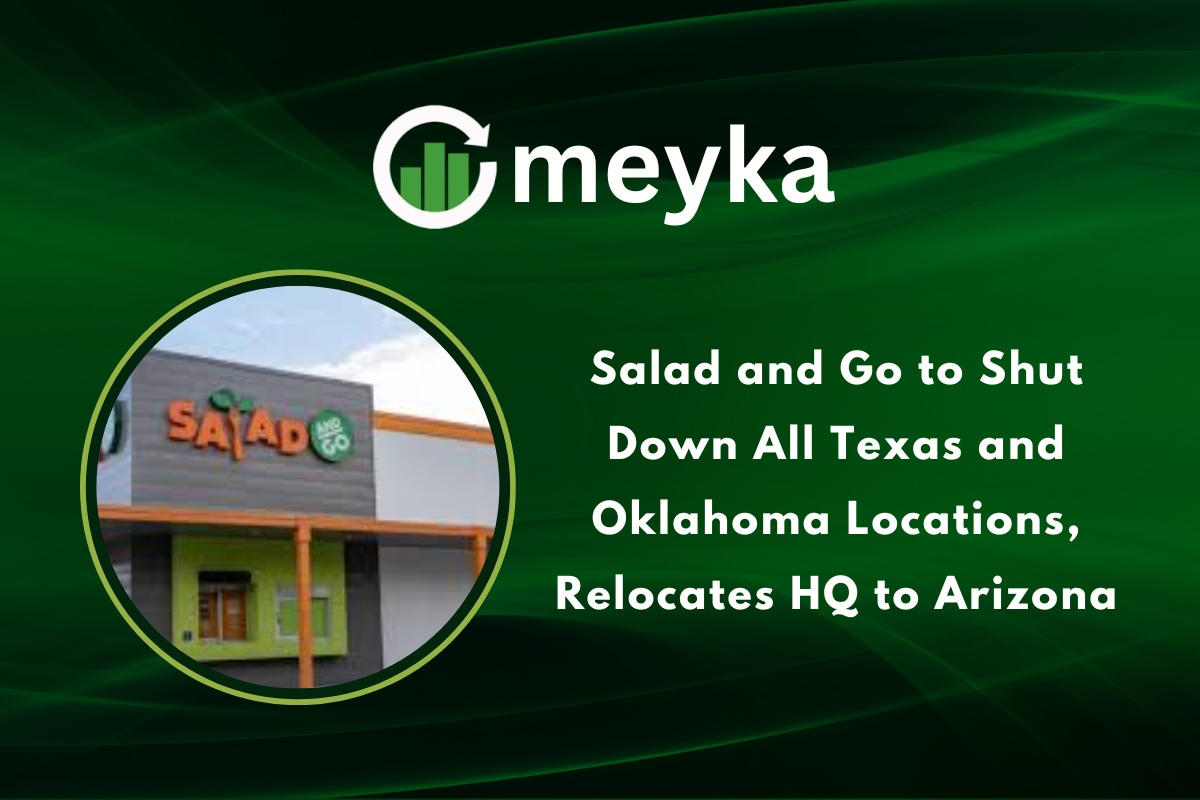
Salad and Go to Shut Down All Texas and Oklahoma Locations, Relocates HQ to Arizona
Salad and Go Announces a Major Exit From Texas and Oklahoma
The fast-growing healthy fast food chain salad and go has announced a major business shift that is drawing national attention. The company has confirmed it will shut down all locations in Texas and Oklahoma, closing a total of 32 restaurants, while also relocating its corporate headquarters to Arizona.
This decision has raised many questions among customers, employees, and investors. Why would a brand known for affordable salads and quick service pull out of two large markets? What does this mean for the future of salad and go?
According to reports from industry sources, the closures are part of a strategic reset aimed at long-term stability rather than rapid expansion. Salad and go plans to refocus its operations closer to its core infrastructure in Arizona, where the company was founded and where most of its supply chain is based.
Is salad and go in trouble?
The answer is more balanced. The company is not shutting down completely. Instead, it is restructuring to protect its business model and improve efficiency.
Why Salad and Go Is Closing Stores in Texas and Oklahoma
The decision to exit Texas and Oklahoma did not happen overnight. Industry analysts point to rising operating costs, supply chain strain, and rapid overexpansion as key reasons behind the move. While both states offered large customer bases, they also came with high logistics costs for a brand that relies on a centralized commissary model.
Salad and Go built its reputation on low-cost meals, quick drive-through service, and fresh ingredients. Maintaining that promise became harder as the company expanded far from its production hubs. Transporting fresh food across long distances increased expenses and affected margins.
Social media reaction was swift. A post shared by DallasBizNews highlighted the sudden nature of the closures and the impact on local workers. Another update from Dallas News confirmed that all Texas locations would cease operations rather than undergo selective closures, signaling a clean exit from the state.
So why not just close a few underperforming stores?
Experts say partial exits often create confusion and drag on profits. A full withdrawal allows salad and go to cut losses quickly and rebuild with focus.
Key Reasons Behind the Decision
• Rising food and labor costs made distant markets harder to sustain
• Supply chain efficiency dropped as stores expanded far from Arizona
• Rapid growth outpaced operational control
• Leadership chose profitability over aggressive expansion
Relocating Headquarters to Arizona Signals a Strategic Reset
Alongside store closures, salad and go is relocating its headquarters to Arizona, bringing leadership closer to operations. Arizona has long been the heart of the brand, with its largest commissary and most mature store network based there.
This move is expected to improve decision-making, reduce overhead, and strengthen quality control. Executives believe operating from one central region allows for better alignment between leadership, logistics, and frontline teams.
A tweet shared by Jason Abalos noted that the headquarters relocation reflects a broader trend in the restaurant industry, where brands are scaling back to strengthen core markets instead of chasing national footprints.
This strategy mirrors what several fast casual chains have done in recent years. Growth is no longer just about store count. It is about sustainable profits, consistent food quality, and employee retention.
How Many Locations Are Closing and What Happens to Employees
Salad and go confirmed that 32 restaurants across Texas and Oklahoma will close. The company stated it is working with affected employees to provide support, though details vary by location.
Some workers may be offered relocation opportunities in Arizona, while others will receive severance packages. However, job losses remain a major concern, especially in cities where salad and go had become a popular low-cost food option.
A report shared by Yahoo News explained that many employees were informed shortly before closures, sparking frustration but also understanding, given the current economic climate.
This raises another common question: Could more closures happen in other states?
As of now, the company says no additional states are affected, and Arizona locations will continue operating normally.
What This Means for Customers and the Brand
For customers in Texas and Oklahoma, the closures mean losing a convenient and affordable healthy food option. Salad and Go had built a loyal following by offering meals often priced under ten dollars, a rarity in today’s fast food market.
For the brand itself, the move may help protect its identity. Instead of stretching resources thin, Salad and Go can now focus on refining menus, improving service speed, and maintaining price stability in its strongest market.
Industry insiders believe this reset could help the company return stronger in the future. Some even suggest that salad and go could re-enter Texas later with a more localized supply chain model.
Market Reaction and Industry Impact
News of the shutdown sparked discussion across the restaurant industry. Analysts see this as a warning sign for fast-growing chains that expand too quickly without regional infrastructure.
A post by DallasBizNews emphasized that even popular brands are not immune to rising costs and operational strain. Meanwhile, Dallas News highlighted how the closures reflect changing consumer behavior, where convenience alone is no longer enough to offset higher prices.
The broader takeaway is clear. Growth must be supported by strong logistics, realistic cost planning, and disciplined leadership.
What’s Next for Salad and Go
• Focus on Arizona operations and core markets
• Streamline supply chains and reduce costs
• Improve profitability before future expansion
• Strengthen brand trust through consistency
Could Salad and Go Expand Again in the Future
While salad and go is pulling back now, this does not mean the brand’s growth story is over. Many successful restaurant chains have gone through similar phases, shrinking before expanding again in a smarter way.
Leadership has not ruled out future growth. Instead, they stress that any expansion will be measured, regional, and supply chain-ready. This cautious tone suggests lessons have been learned from the Texas and Oklahoma experience.
So, is this a setback or a smart move?
For many experts, it is a necessary pause that could protect the company’s long-term future.
Conclusion
The decision by Salad and Go to shut down all Texas and Oklahoma locations and relocate its headquarters to Arizona marks a defining moment for the brand. While painful for employees and customers in affected states, the move reflects a deeper focus on sustainability, efficiency, and financial health.
In a tough economic environment, survival often depends on making hard choices early. By stepping back now, salad and go may be positioning itself for a stronger, more stable future. The coming months will show whether this strategic reset delivers the results the company hopes for, but one thing is clear: the era of unchecked expansion is giving way to smarter growth.
FAQ’S
Salad and Go is exiting these states due to high operating costs, supply chain challenges, and a shift toward focusing on its core Arizona market.
A total of 32 Salad and Go locations across Texas and Oklahoma are set to close.
No, Salad and Go is not shutting down completely; it is restructuring and continuing operations primarily in Arizona.
Arizona is the company’s operational hub, and moving the headquarters closer helps improve efficiency and reduce costs.
The company has not confirmed future expansion plans, but it has not ruled out re-entering Texas if conditions improve.
Disclaimer
The content shared by Meyka AI PTY LTD is solely for research and informational purposes. Meyka is not a financial advisory service, and the information provided should not be considered investment or trading advice.