Silver Prices

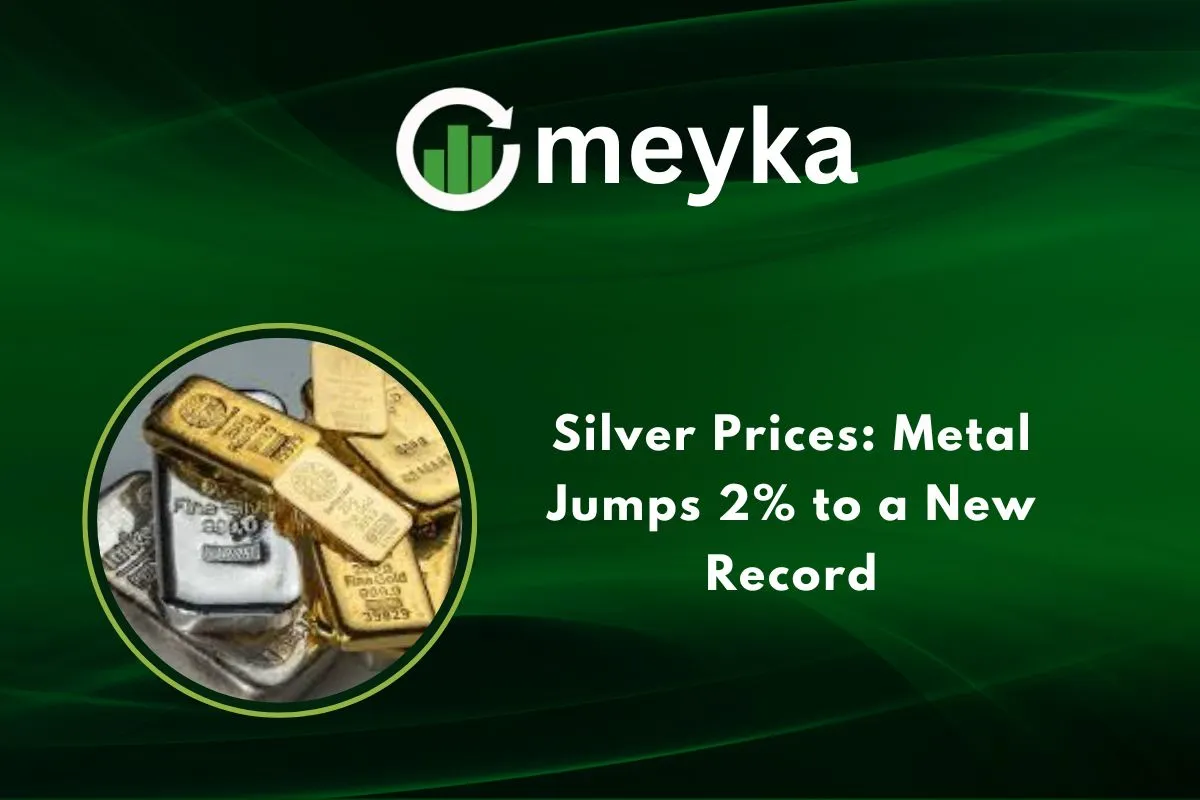
Silver Prices: Metal Jumps 2% to a New Record

We have just witnessed a major move in silver markets. In late November 2025, silver jumped around 2% and climbed to a fresh all‑time high per ounce. This is more than just another daily swing. For many, from small investors to industries using silver, this run matters a lot. We explore how big this surge is, why it’s happening now, and what it could mean for people who hold or use silver.

Current Silver Price Movement

As of November 26, 2025, silver was trading at about US $52.46 per troy ounce, marking a jump of 2.38% from the prior day. Over the past month, the metal has moved up sharply, more than 12%.  In late November, spot silver tested its historic record high, near US $54–55/oz. This surge pushed silver’s 2025 gains to nearly 75–80% compared with the same time last year.  This upward movement reflects strong market sentiment; many traders are pouring back into silver as prices climb and as it draws more attention than before.

Factors Driving the Surge

Why is silver rising so fast? There are several important reasons behind this rally:

  • Rate‑Cut Expectations by the US Central Bank: Markets are sensing that the Federal Reserve (the Fed) may cut interest rates soon. Lower rates tend to make non-yielding assets like silver more attractive.
  • Economic Uncertainty & Safe-Haven Demand, With global uncertainty, economic slowdowns, inflation worries, or currency swings, many investors are turning to silver as a safer store of value.
  • Strong Industrial Demand: Silver isn’t just for investment. It is widely used in electronics, solar panels, medical equipment, and other industries. Growing demand from these sectors supports higher silver consumption.
  • Tight Supply and Market Imbalances: Silver supply remains constrained. Production has lagged demand, causing a structural deficit. That makes every ounce more valuable.

Together, these factors created what many analysts call a “perfect storm” for silver, boosting both investment and industrial demand while supply remains limited.

Historical Context and Trends

The recent price surge is not in isolation. In 2024, average silver prices rose by about 21%, as noted by the Silver Institute. In 2025, silver’s rally accelerated. Prices breached the long‑standing psychological and technical levels. For example, in September 2025, silver had already crossed the $40 barrier, signaling renewed strength after years of muted performance.

Now, with the metal exceeding $50/oz and reaching mid‑$50s, this rally has pushed silver into its most impressive stretch in decades. The jump reflects not just short-term hype, but structural changes in supply, demand, and global economic conditions.

Implications for Investors

This strong upward trend offers both opportunity and caution for investors:

  • Opportunity for Gains: For those holding silver (physical, ETFs, or mining‑related investments), the current rally presents a chance to realize solid returns. The sharp rise in 2025 shows that silver can outperform many other asset classes in a strong up-cycle.
  • Inflation Hedge & Safe‑Haven Appeal: Silver can serve as a hedge against inflation, currency depreciation, or economic instability, useful in uncertain global economic times.
  • Industrial-Linked Investment Potential: Given silver’s growing industrial use (especially in green energy and electronics), investments tied to silver demand may benefit from long-term structural growth, not just speculative interest.
  • Risk of Volatility: Silver is still prone to swings. Prices could drop if global demand slows, economic conditions improve, or interest rates rise again. Investors should be aware of possible corrections.

In short, silver looks attractive now but requires careful timing and risk awareness.

Impact on Industries

The rising silver price isn’t just about investors; industries feel it too. Electronics makers, solar panel producers, medical‑device manufacturers, and jewelry makers all rely on silver. As prices rise, their raw material costs may increase. That could lead to higher prices for consumers or squeezed margins for manufacturers.

On the flip side, industries that mine or process silver, mining companies, refining firms, and green‑energy equipment producers would benefit from higher margins or renewed investment. Also, as silver becomes more expensive, some manufacturers may seek substitutes or cost‑saving alternatives, potentially shifting demand patterns over time.

Conclusion

Silver’s recent 2% jump to a new all-time high marks a pivotal moment for this precious metal. What once was seen mostly as “gold’s sidekick” is now grabbing its own spotlight. Rising demand from investors, growing industrial usage, tight supply,  nd favorable financial conditions have all combined to drive silver higher. For investors, this could mean strong returns and a hedge against economic uncertainty. For industries, rising costs and possible supply pressure. Either way, we are witnessing a turning point. As global markets evolve, green energy demand rises, economic uncertainty lingers, and central banks chart their course, silver may be set for a longer, meaningful run.

FAQS

Why are silver prices rising?

Silver prices are rising because demand is growing and supply is limited. Investors see it as safe during uncertain times, and industries like electronics and solar panels need more silver.

Will silver ever hit $50 an ounce?

Yes, silver has already reached $50 per ounce in late 2025. Strong demand, low supply, and market trends make it possible for prices to stay near or above $50.

Is silver going to skyrocket in 2025?

Silver may rise further in 2025 due to industrial demand and investor interest. But prices can be volatile, so gains might happen in steps, not in a sudden jump.

Disclaimer:

The content shared by Meyka AI PTY LTD is solely for research and informational purposes. Meyka is not a financial advisory service, and the information provided should not be considered investment or trading advice.

Similar Posts

Leave a Reply

Your email address will not be published. Required fields are marked *