Taiwan

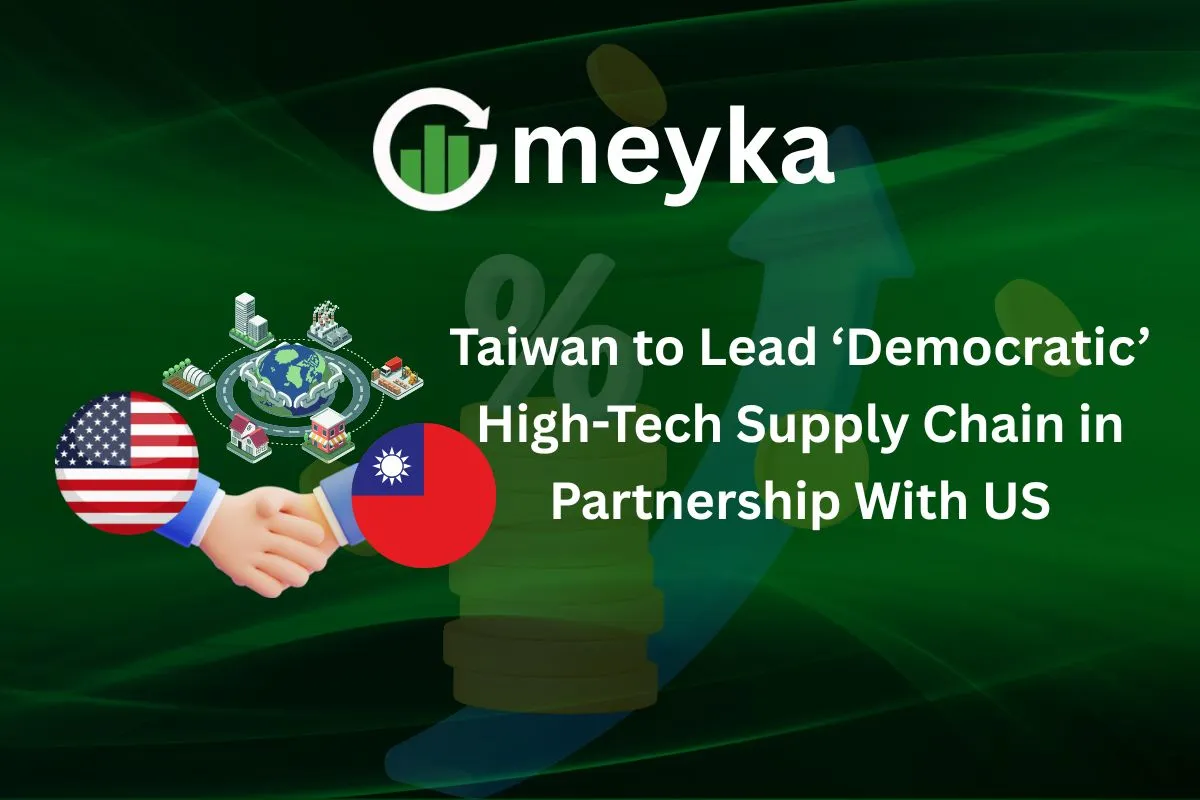
Taiwan to Lead ‘Democratic’ High-Tech Supply Chain in Partnership With US

On January 20, 2026, Taiwan and the United States announced a major plan to reshape the global tech industry. Taiwan said it will help build what leaders are calling a “democratic” high‑tech supply chain. This idea means making key tech products with partners that share similar values like freedom and open markets.

The new plan came after a trade deal with Washington that cuts tariffs and strengthens cooperation in advanced technologies, such as semiconductors and artificial intelligence (AI). Taiwan is home to some of the world’s most advanced chip makers. The U.S. sees this move as a strategic step to reduce risks from overdependence on a few non‑democratic sources.

This deal is not just about business. It signals a shift in how democratic nations plan to secure their tech supply lines. Let’s explore why this matters, what it means for technology and politics, and how it could shape the future of global innovation.

What Do “Democratic” Supply Chains Mean in Tech?

The phrase “democratic supply chain” is new in global trade talk. It refers to building key technology networks among countries that share democratic values and open markets. This idea tries to avoid heavy reliance on nations that do not follow democratic norms. It also aims to reduce the risk of supply disruptions due to political tensions or shifts in foreign policy. 

This approach is part of a broader push known as friend‑shoring working more closely with trusted partners rather than moving all production to one region. The new Taiwan‑U.S. agreement highlights this strategy by tying investments, technology, and shared goals to democratic allies.

The Scope of Taiwan‑U.S. Tech Deal

In mid‑January 2026, Taiwan and the United States finalized a significant trade deal. Under this agreement, U.S. tariffs on Taiwanese imports will be cut from 20% to 15%. Certain tech products like semiconductors and manufacturing gear may even enter the U.S. duty‑free.

Taiwanese companies have agreed to commit $250 billion to build technology production in the U.S. This includes chips, clean energy tools, and products tied to artificial intelligence. Taiwan will also provide an additional $250 billion in credit guarantees to support these projects. The deal frames these commitments as a way to grow global tech networks rather than pulling Taiwan’s industry away from home.

This pact goes beyond simple trade. It ties technology leadership and shared economic goals into U.S.-Taiwan cooperation for the next decade.

Taiwan’s Strategic Tech Strengths Explained

Taiwan plays a central role in the world’s tech landscape thanks to its strong semiconductor industry. The island is home to some of the most advanced manufacturers of high‑performance chips. These chips power modern devices and the latest AI systems. Taiwan Semiconductor Manufacturing Company (TSMC) is a leading player in this field. Its factories produce chips that are essential to global tech ecosystems.

The United States sees Taiwan’s strengths as a key asset. By partnering with Taiwan, the U.S. hopes to boost its own production and secure crucial technology. Taiwan’s chip design and manufacturing expertise make it invaluable to building supply chains that are both robust and less exposed to political pressures.

Geopolitical Technology Stakes: US, Taiwan, and China

This pact is not only about money and trade. It also has strong geopolitical meaning. The United States has pushed for building technology supply chains that rely on allies rather than competing powers. Taiwan, as a democratic society, fits this strategy well. Taiwan does not have formal diplomatic ties with the United States, yet the two economies are deeply connected through trade and technology.

China claims Taiwan as its territory and has not ruled out force to achieve its goals. The strategic cooperation between Taiwan and the U.S. sends a message about shared economic and political interests. By teaming up on high‑tech production and innovation, both sides aim to strengthen their position without escalating conflict. This dynamic makes the supply chain deal a major shift in regional tech politics.

Economic Impacts for US-Taiwan Tech Sides

For the United States, this deal supports a long‑term goal of bringing more technology production onshore. The country’s share of semiconductor manufacturing slipped from about 37% in 1990 to under 10% by 2024. The new investment could help reverse this trend and create jobs in high‑skill sectors.

Investing. com Source: U.S. Market Semi Conductor Share Slips 1990 -2024
Investing. com Source: U.S. Market Semi Conductor Share Slips 1990-2024

For Taiwan, the pact opens new markets and lowers trade barriers. Taiwan companies gain better access to U.S. markets and may benefit from stronger investment ties. Officials stress that the agreement is not meant to hollow out Taiwan’s domestic tech base. Instead, it gives Taiwanese firms room to grow internationally while maintaining a strong home economy.

Challenges and Criticisms

There are real challenges ahead. Experts caution that shifting large parts of complex technologies like semiconductors is not quick or simple. Building new chip plants and testing them to produce world‑class products takes years or even decades. For example, some analysts say that targets to shift large portions of supply chain capacity may be unrealistic in a short time frame.

Political debates also persist in both countries. Some Taiwanese lawmakers worry about excessive reliance on foreign demand. In the United States, officials seek a balance between boosting domestic production and managing costs for global trade partners.

What This Means for the Future of AI?

Artificial intelligence is a major reason this agreement matters. Chips made in Taiwan and the United States are crucial for powering advanced AI systems. Growing production across both economies helps to ensure that hardware for AI innovation stays reliable and competitive. Taiwan’s investments include AI‑related technologies and energy systems, which can support broader tech ecosystems in the U.S. and beyond.

Global Reactions & Allies on Tech Deals

Other nations are also moving to secure technology supply chains. Focus has broadened beyond semiconductors to include critical minerals and advanced manufacturing. Some countries are joining U.S.‑led initiatives to diversify supply sources and strengthen cooperation. The Taiwan‑U.S. pact fits into this global shift toward shared, resilient technology supply networks.

Conclusion: Strategic Win or Compromise?

The Taiwan‑U.S. agreement marks a new era in technology cooperation. It blends economic goals with geopolitical strategy. Lower tariffs, large investments, and shared innovation initiatives aim to build robust supply chains among democratic partners. While challenges remain, this pact could reshape how global tech production is managed in the years ahead.

Frequently Asked Questions (FAQs)

What is a democratic tech supply chain?

A democratic tech supply chain means building key technology networks with countries that share democratic values, open markets, and trust. It aims to reduce risks from single sources. 

How will the Taiwan‑U.S. deal affect chips?

The January 15, 2026 Taiwan‑U.S. deal lowers tariffs and pushes big chip investments in the U.S. It may boost U.S. chip making and share tech work.

Is Taiwan moving chip production to the U.S.?

Taiwan plans large investment in U.S. chip plants, but it says it will not move all tech out of Taiwan. Expansion is meant to help both industries. 

Disclaimer

The content shared by Meyka AI PTY LTD is solely for research and informational purposes. Meyka is not a financial advisory service, and the information provided should not be considered investment or trading advice.

Similar Posts

Leave a Reply

Your email address will not be published. Required fields are marked *