Ponzi Scheme

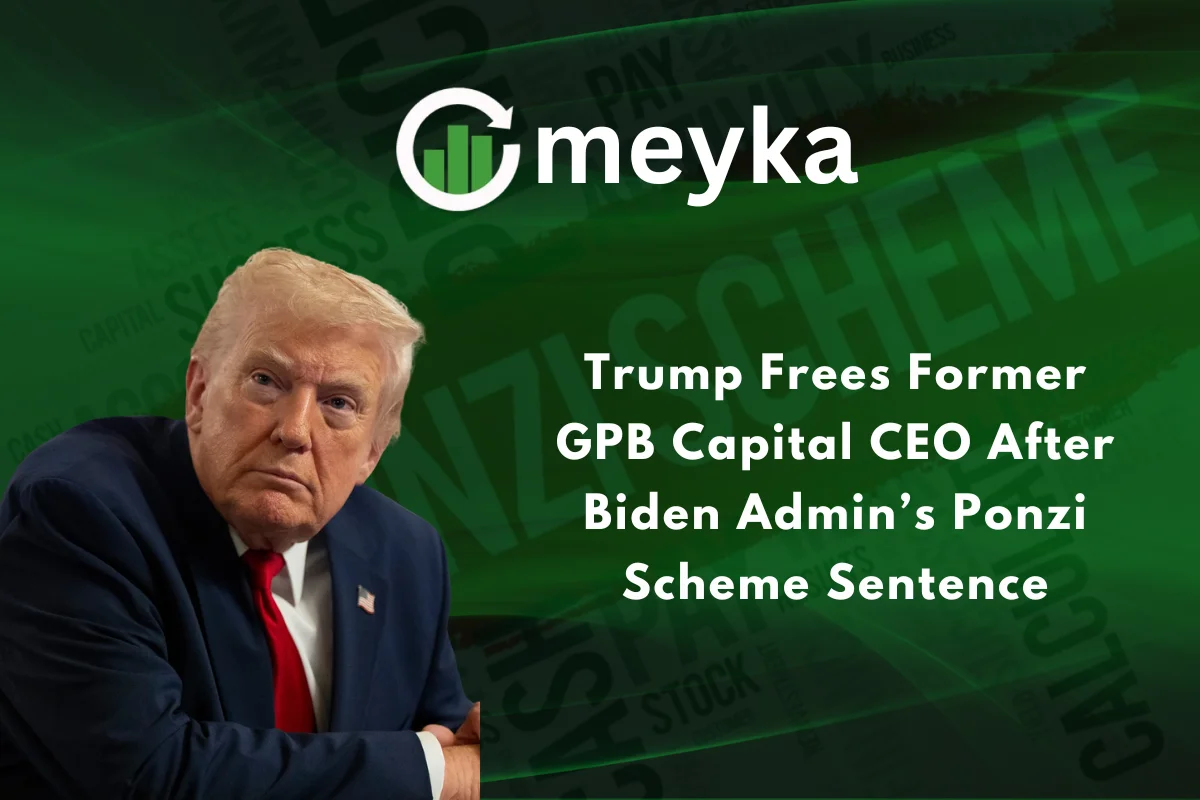
Trump Frees Former GPB Capital CEO After Biden Admin’s Ponzi Scheme Sentence

The recent decision by Donald J. Trump to commute the prison sentence of David Gentile, the former CEO of GPB Capital Holdings, has revived debates about financial justice and investor protection. Gentile had been convicted in 2024 for orchestrating what prosecutors described as a $1.6 billion fraud operation resembling a classic Ponzi scheme.

Background: What Was GPB Capital Accused Of?

GPB Capital raised money from thousands of everyday investors between 2013 and 2018. The firm promised steady returns, often around 8% per year, by investing in sectors such as automotive, retail, healthcare, and real estate.

However, prosecutors said GPB never generated enough real profits from its investments. Instead, it used money from new investors to pay earlier investors. This structure is often known as a Ponzi scheme: returns are paid from fresh investment, not actual business gains.

In August 2024, after an eight-week trial, a federal jury convicted Gentile on charges of securities fraud, wire fraud, and conspiracy relating to the misuse and misrepresentation of investor funds. In May 2025, he was sentenced to seven years in prison. This conviction impacted more than 10,000 investors who reportedly suffered heavy losses.

What Changed: Trump’s Clemency Decision

On November 30, 2025, President Trump commuted Gentile’s sentence. The commutation means Gentile was released from prison, despite having just begun serving his term in mid-November.

A White House official argued that GPB Capital had disclosed in 2015 that investor capital might be used to pay distributions, a claim meant to undercut the notion that GPB was secretly operating as a Ponzi scheme.

The official also noted that prosecutors were unable to directly show that Gentile personally misrepresented statements to investors in a way that justified their fraud claims. In short, the government’s case was presented as flawed, according to supporters of the clemency.

Critics, however, argue that the clemency undermines accountability for financial wrongdoing and sends a worrying signal to investors and markets about trust in regulatory enforcement.

Why This Matters: Implications for Investors and Markets

Loss of Confidence for Retail Investors

Many retail investors, people who are not professional fund managers, lost life savings when GPB’s funds collapsed. The clemency decision may deepen distrust among everyday investors. It raises concerns: if high-profile convictions can be reversed, will ordinary investors feel protected?

Risk to Integrity of Financial Markets

Financial markets rely on strict rules and enforcement. Cases like GPB Capital’s and its subsequent commutation threaten the perception of fairness and impartiality. If investors believe wrongdoing can be forgiven, it may reduce deterrence.

Potential Impact on Private Equity and Alternative Investments

Private equity, real estate funds, and other alternative investments often rely on trust, transparency, and long-term returns. Events like this could make investors more cautious about committing money to these sectors.

Sentiment Toward “Ponzi Scheme” Warnings

The label “Ponzi scheme” signals serious fraud, using new money to pay old investors, rather than generating real returns. The commutation of Gentile’s sentence risks muddying these warnings. Investors might become less vigilant or dismiss cautionary signals about risky investments.

What Should Investors Do Now?

If you invest or plan to invest, especially in private funds or non-traditional vehicles, it’s crucial to be cautious.

  • Perform thorough due diligence: Look for transparent financial statements, clear disclosures about how returns are generated, and regular independent audits.
  • Avoid investments that guarantee high, steady returns: Promises of unusually high returns with low risk are often a red flag.
  • Diversify, don’t concentrate: Spread investments across different asset types. Don’t over-invest in speculative or opaque funds.
  • Stay informed about legal and regulatory changes: Market regulation and enforcement can shift, especially with different administrations. Changes can affect your exposure and risk.
  • Use conservative assumptions for returns and liquidity: Be skeptical of overly optimistic projections, especially in funds that lack public transparency.

Conclusion: A Troubling Turn for Investor Trust

The release of the former GPB Capital CEO after a serious fraud conviction shakes confidence in investor protection, market fairness, and the enforcement of financial crime laws. What began as one of the biggest private-equity fraud cases in recent years may now appear more complicated, at least in the eyes of public perception.

For investors, regulators, and the broader financial community, this moment is a warning. It reminds us that even when laws are enforced, outcomes can be uncertain and that vigilance, transparency, and critical thinking remain essential when dealing with investments, especially those off the beaten path.

FAQs

What exactly was the fraud committed by GPB Capital?

GPB Capital was accused of misrepresenting how it generated returns. Instead of using real profits from business operations, the firm allegedly used funds from new investors to pay returns to earlier investors, a structure typical of a Ponzi scheme.

Does the commutation mean the conviction is erased?

No. The commutation releases the convicted person from prison, but it does not erase the conviction. The record remains, and civil lawsuits or requirements for restitution may still proceed.

How can investors protect themselves from similar schemes in the future?

Investors should always verify the transparency of any fund, demand clear and audited financial disclosures, avoid investments that promise high and steady returns with low risk, spread risk across diverse assets, and remain aware of regulatory and legal warnings that may signal fraud risk.

Disclaimer:

The content shared by Meyka AI PTY LTD is solely for research and informational purposes. Meyka is not a financial advisory service, and the information provided should not be considered investment or trading advice.

Similar Posts

Leave a Reply

Your email address will not be published. Required fields are marked *