Trump Tariffs Live: Davos Greenland Talks Planned After 200% Champagne Tariff Threat
Recent diplomatic tensions and trade policy moves by U.S. President Donald Trump have pushed Trump Tariffs back into the global spotlight, with major economic and diplomatic implications. The issue has become a central topic at the World Economic Forum in Davos, where Trump plans talks with global leaders on Greenland following his floatation of steep tariff threats on French wine and champagne. Investors and analysts worldwide are watching closely, especially since tariffs can ripple through the stock market and broader economic relations.
What Are the Trump Tariffs at the Center of the News
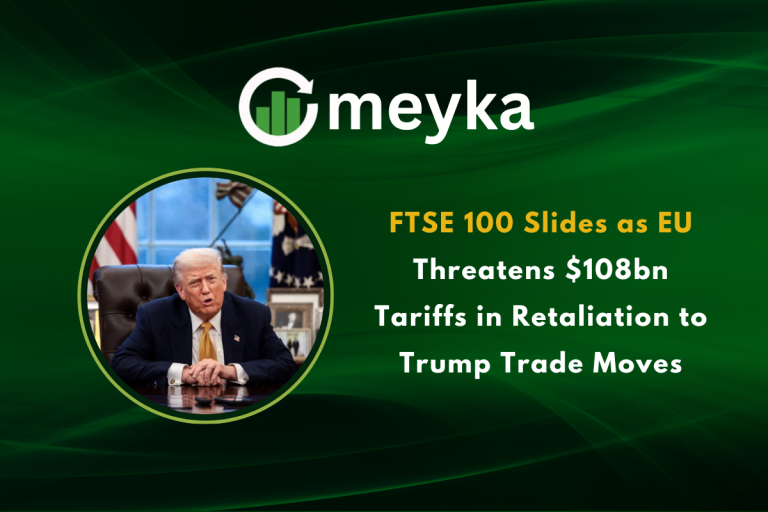
Trump has announced that the United States will impose new tariffs on European countries that oppose his efforts to pursue control of Greenland, a semi-autonomous territory of Denmark with strategic Arctic importance. The tariffs would start at 10 percent on February 1 and could rise to 25 percent by June 1 if no agreement is reached, affecting imports from nations including Denmark, Sweden, France, Germany, the UK, the Netherlands, Finland, and Norway.
The tariff threat escalated further when Trump suggested imposing 200% tariffs on French wine and champagne as leverage in diplomatic negotiations, especially after French President Emmanuel Macron declined to join Trump’s newly announced “Board of Peace,” an initiative aimed at resolving global conflicts starting with the situation in Gaza.
These tariff threats are part of Trump’s broader approach to trade policy, which he has framed as using tariffs as negotiation tools to achieve strategic goals. Trade policy under Trump often attempts to extract policy concessions or assert U.S. leverage, even when such tactics generate pushback from allies.
Why Greenland Is Central to the Tariff Strategy
Greenland has become a flashpoint because of its strategic location in the Arctic region and its geopolitical significance to both NATO and global security. Trump has repeatedly emphasized that Greenland is crucial for U.S. national and global security interests. He has stated that the United States has a long history of interest in acquiring the island, although the Danish government and Greenlandic leadership strongly oppose any sale or transfer of sovereignty.
The tariff threats related to Greenland are unprecedented because they link trade policy with territorial negotiations, a rare combination in modern diplomacy. Many critics argue that using tariffs as a bargaining chip to influence diplomatic outcomes, especially among long-standing allies, undermines trust and normal diplomatic channels.
Reactions From Europe and U.S. Allies
European nations have been quick to condemn Trump’s tariff threats. Leaders of the affected countries have called the plan unacceptable and stated that trade measures should not be used to coerce sovereign decisions. French officials, in particular, argued that targeting cultural exports like wine and champagne is a punitive measure that could harm decades of economic cooperation.
Additionally, tensions over Greenland have drawn out broader criticism of U.S. policy. European Commission President Ursula von der Leyen questioned Trump’s reliability as an ally, emphasizing that trade and territorial issues should be treated with respect and dialogue, not coercion.
These reactions indicate that the Trump tariff strategy could face serious diplomatic pushback, and it raises concerns about unintended consequences, such as retaliatory tariffs, economic friction, and disruption in global supply chains.
Economic Impact of Trump Tariffs
Tariffs generally affect prices, trade flows, and corporate earnings in ways that can ripple across economies. When tariffs increase on imported goods, those goods become more expensive for consumers, potentially reducing demand. They can also prompt trading partners to impose retaliatory tariffs, which can hurt exports and profits for companies dependent on foreign markets.
In the context of Trump’s tariff threats, European countries have already signaled possible retaliatory measures against U.S. exports. The proposed tariffs could escalate into a broader trade conflict, and global markets have shown sensitivity to such geopolitical risks. This kind of tension can lead to stock market volatility as investors reevaluate risk and corporate forecasts.
Financial markets typically dislike uncertainty, especially when it comes to trade policy that could affect major sectors such as automotive, consumer goods, and agriculture. Global equity indices, bond markets, and currency valuations can all be impacted by prolonged or escalating trade disputes.
Political Context Around Trump Tariffs
Trump’s tariff threats over Greenland and French wine tie into a broader political narrative that he has promoted since his first term, which emphasizes strong trade measures to protect and promote American interests. Previous tariff policies, like the “Liberation Day Tariffs” that sought to counteract perceived unfair trade barriers, set the stage for more aggressive use of tariffs to pursue geopolitical objectives.
Trump’s approach often fuses trade policy with broader ideological goals, using economic tools to assert influence or achieve non-economic aims. While supporters argue that such tariffs can level the playing field, critics caution that they risk damaging essential international partnerships and destabilizing established trade norms.
Global Security and Diplomatic Stakes
The fact that these tensions are unfolding at a major global forum like the World Economic Forum in Davos highlights the seriousness of the diplomatic stakes. Leaders attending the forum are not just discussing economic issues but also global security, climate change, and geopolitical stability. Trump’s high-profile push on Greenland and accompanying tariff threats have drawn significant attention within this broader context.
Some commentators believe that the talks on Greenland in Davos could provide an opportunity to de-escalate tensions and seek common ground, while others see the tariff threats as complicating diplomatic negotiations. The outcome of these discussions may shape future U.S. relations with European allies and have lasting effects on international cooperation across multiple fronts.
Investor Considerations and Market Risk
From an investor perspective, Trump Tariffs and the associated geopolitical tensions introduce new layers of risk. Trade policy developments can influence corporate earnings, supply chains, and business investment decisions. Companies with exposure to European markets, particularly those in sectors like consumer goods, luxury items, and agriculture, may face revenue risk if tariffs significantly affect export levels.
In the stock market, tariffs often lead to increased volatility as traders adjust expectations for earnings growth and economic activity. Investors who rely on stock research and sophisticated AI stocks tools may find that geopolitical risk factors appear more prominently in their models, affecting risk assessments and pricing targets.
Monitoring developments in trade policy, diplomatic negotiations, and potential retaliatory measures is crucial for portfolio adjustment. Investors often diversify or hedge to protect against tariff-related market swings, especially when trade conflicts show signs of persistence or escalation.
What to Watch Next
Key indicators to watch include official statements from European governments and the U.S. Treasury, potential retaliatory tariff proposals, and outcomes from the Davos discussions on Greenland. Changes in trade policy language or tariff implementation timelines will also be telling.
Attention should be paid to whether Trump’s approach gains cooperation or further isolates the U.S. from key allies. Shifts in diplomatic signals, economic forecasts, and global market responses will provide insight into the short-term and long-term impacts of these tariff threats.
Conclusion
The renewed focus on Trump Tariffs amid talks planned at Davos over Greenland and the threat of 200% tariffs on French wine and champagne represents a complex mix of trade policy, diplomacy, and international tension. By linking tariffs to geopolitical objectives, the U.S. administration has ignited debate and concern among global leaders, financial markets, and investors.
The evolving situation underscores how trade measures can have far-reaching economic and political consequences when used as tools in broader strategic negotiations. As events continue to unfold, traders, policymakers, and business leaders will be watching closely for signs of compromise, retaliation, or escalation.
FAQs
Trump has proposed new tariffs starting at 10 percent on several European countries’ goods, increasing to 25 percent if no agreement on Greenland is reached, and even threatened 200 percent tariffs on French wine and champagne as part of diplomatic leverage.
Greenland’s strategic location in the Arctic and its geopolitical significance have made it central to U.S. security interests in the Trump administration’s worldview, and tariffs are being used to pressure countries that oppose U.S. ambitions related to the territory.
Trade tensions and proposed tariffs can increase uncertainty, lead to price volatility in the stock market, and prompt potential retaliatory tariffs, which affect international trade flows, corporate earnings, and investor confidence.
Disclaimer:
The content shared by Meyka AI PTY LTD is solely for research and informational purposes. Meyka is not a financial advisory service, and the information provided should not be considered investment or trading advice.