UAE Conglomerate to Take Legal Action Against Lebanon Over $1.7B Investment Losses
On January 26, 2026, Dubai’s giant business group, Al Habtoor Group, shocked markets with a bold legal move. The company said it will take formal legal action against the Lebanese government. The reason is clear losses of more than $1.7 billion tied to its investments in Lebanon.
For years, the group poured money into hotels, theme parks, banks, and real estate in Lebanon. Then Lebanon’s long economic collapse hit hard. Cash became stuck in the banking system. Investments turned risky and hard to manage.
Now, after many failed talks, Al Habtoor says legal action is its only option. This case is a major test of foreign investor trust in a country still struggling to recover.
Background: Al Habtoor Group’s Presence in Lebanon
Al Habtoor Group is one of the UAE’s oldest and most diverse business families. It has invested heavily in Lebanon for years. These investments include luxury hotels, shopping centres, and leisure projects such as Habtoor Land, a large theme park near Beirut. The group also placed significant funds in local banks as part of normal business operations.
The company first flagged problems with the Lebanese state and banking system in January 2024, when it formally issued a notice of dispute under the 1999 bilateral investment treaty between the UAE and Lebanon. That treaty legally protects foreign investors and requires host countries to treat them fairly and safeguard their assets. The notice triggered a six‑month “cooling‑off” period designed to find a peaceful settlement, but no agreement was reached.
Before this escalated into legal action, the group warned about losses and restrictions on accessing deposited funds in Lebanese banks. These warnings came as Lebanon’s wider economic collapse made doing business increasingly difficult.
UAE Conglomerate: Al Habtoor Sues Lebanon Over $1.7B Losses
On January 26, 2026, the Dubai‑based Al Habtoor Group announced that it would take formal legal action against the Lebanese government and authorities due to investment losses that now exceed $1.7 billion. The company said these losses were caused by a combination of banking restrictions and state inaction during Lebanon’s prolonged economic crisis.
According to official statements, the group’s assets in Lebanon “have suffered severe and sustained harm” because state measures and limits imposed by Banque du Liban, the central bank, stopped it from freely accessing and transferring funds lawfully held in Lebanese banks.
The legal move reflects years of unresolved disputes. Al Habtoor said it tried to settle the matter amicably, but those efforts failed. The company now says legal escalation is its only remaining option to protect its rights under international law and the bilateral treaty.
Lebanon’s Economic Context and Investor Risk
Lebanon’s economy has been in crisis since late 2019, when its banking sector collapsed. Over the past six years, the Lebanese pound lost nearly all its value, and governments failed to stabilise the financial system. Many depositors, including businesses like Al Habtoor, could not access their money due to informal banking restrictions.
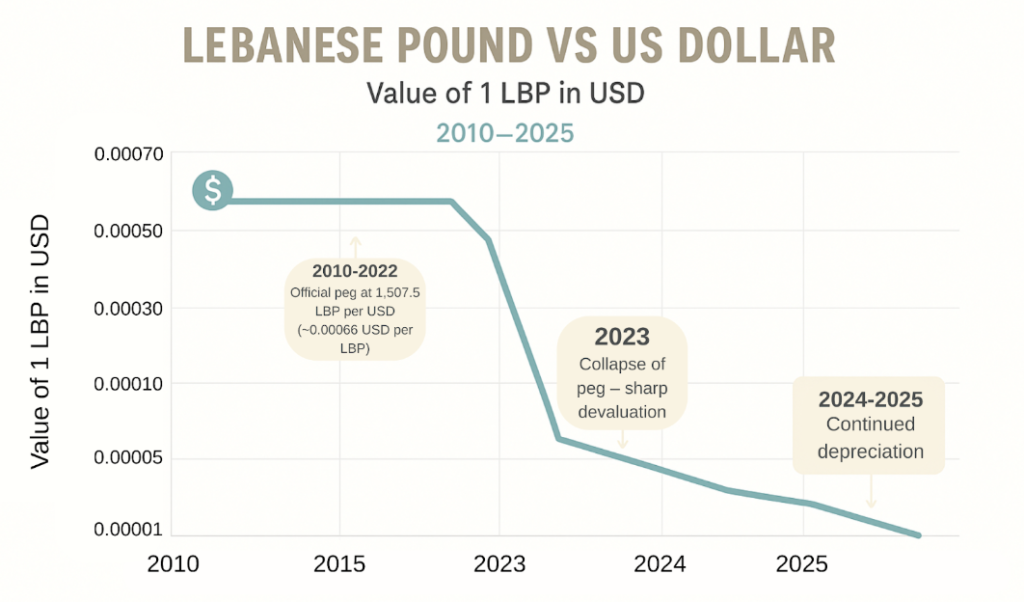
The country’s woes deepened with the 14‑month war between Israel and Hezbollah, which further damaged infrastructure and economic activity. Reconstruction costs from that conflict alone are estimated at about $11 billion.
This combination of financial mismanagement, political paralysis, and external conflict has made Lebanon a risky environment for foreign investors. Al Habtoor’s legal step highlights the growing frustration among Gulf partners who once saw Lebanon as a key regional market.
Legal Basis: UAE-Lebanon Treaty Protects Al Habtoor Investments
The heart of Al Habtoor’s claim is that Lebanon breached its obligations under the bilateral investment treaty with the UAE. That agreement obliges Lebanon to provide fair and equitable treatment, protect foreign investments, and ensure free transfer of funds. Al Habtoor says these duties were ignored when authorities and the central bank restricted access to deposited funds and failed to protect its assets against economic harm.
The group’s lawyers argue that these protections are not optional. They say the treaty makes them legally enforceable rights that Lebanon must uphold. This forms the legal basis for potential claims in local and international courts. However, the company has not publicly confirmed the specific legal venue.
Impact on Lebanon’s Investment Climate
The legal dispute could have broader consequences. Lebanon has long relied on Gulf investments to support its economy, with foreign capital historically helping to sustain the banking system and private sector. The collapse in investor confidence, highlighted by Al Habtoor’s threat of legal action, could make it harder for the country to attract future funding.
In past years, some Gulf states slowed or paused investment in Lebanon due to ongoing political instability and economic uncertainty. The move by a major UAE conglomerate to pursue legal action adds pressure on Lebanese authorities to address structural problems, especially in the financial and legal frameworks governing foreign investment.
Stakeholders’ Perspectives and Unresolved Questions
Al Habtoor’s statement says the group remains open to a negotiated solution that would restore its rights in full. But it also stresses that continued inaction by Lebanese authorities leaves no choice but to go to court.
Lebanese officials have not publicly responded to this claim, and it is unclear how the government or central bank will react. Meanwhile, Lebanon is negotiating revisions to a rescue plan with the International Monetary Fund to stabilise the banking sector and return some funds to depositors, a parallel effort that could reshape the legal and financial landscape for cases like this.
Conclusion: A Turning Point for Foreign Investment and Economic Reform
The UAE Conglomerate, Al Habtoor dispute is more than a single company’s lawsuit. It exposes deeper weaknesses in Lebanon’s economy, legal protections, and investor relations. How the case unfolds may influence not just this dispute, but wider confidence among international businesses considering Lebanon as a destination for investment.
This moment underscores the urgency for meaningful economic reform and stronger legal safeguards to protect foreign capital. For Lebanon to rebuild investor trust, it must address both its financial system’s fragility and the legal frameworks that govern international business relationships.
Frequently Asked Questions (FAQs)
On January 26, 2026, Al Habtoor Group said it would sue Lebanon. They lost $1.7 billion in investments. Banking limits and economic problems made it hard to access their funds.
Al Habtoor’s claim uses the 1999 UAE-Lebanon bilateral investment treaty. It protects foreign investors. The treaty requires fair treatment and safe access to funds. Legal action follows treaty rules.
Since 2019, Lebanon has faced banking collapse and currency fall. Many investors, like Al Habtoor, could not access money. Business and confidence dropped, causing huge financial losses for foreigners.
Disclaimer
The content shared by Meyka AI PTY LTD is solely for research and informational purposes. Meyka is not a financial advisory service, and the information provided should not be considered investment or trading advice.