US Stock futures climb after a sharp sell-off hits the Dow, S&P 500, and Nasdaq
US Stock futures moved higher in early trading after Wall Street suffered a heavy sell-off that pushed the Dow Jones, S&P 500, and Nasdaq to their worst session in months. Investors are now trying to understand whether this rebound signals stability or is only a short-term pause in a wider market correction.
The previous session saw deep losses across equities as fears over global growth, sticky inflation, rising bond yields, and geopolitical tension shook confidence. Technology stocks led the decline, while defensive assets such as bonds and gold saw strong demand. As futures turn positive, market focus has shifted to economic data, central bank signals, and corporate earnings guidance.
US Stock futures show early recovery after brutal market sell-off
US Stock futures for the Dow Jones Industrial Average, S&P 500 futures, and Nasdaq futures all edged higher following the sharp downturn. According to early market data, Dow futures rose modestly, while S&P 500 futures and Nasdaq futures posted slightly stronger gains as buyers stepped in after steep losses.
Why are futures rising after such a bad day?
Markets often attempt a technical rebound after intense selling. Traders look for value, short sellers cover positions, and long-term investors begin selective buying. This does not always mean the worst is over, but it does signal that panic selling may be easing.
The sell-off that triggered this rebound was driven by several combined pressures. US Treasury yields jumped sharply, pushing the 10 year yield closer to levels not seen since late 2025. Higher yields make stocks less attractive because future earnings are discounted more heavily. At the same time, comments linked to global trade risks and renewed geopolitical tension added to investor anxiety.
A widely shared market update from Investing.com highlighted how futures were stabilizing after the sharp fall, noting cautious optimism among traders as they waited for fresh catalysts. This shift in tone helped calm markets, even if uncertainty remains high.
What caused the sharp sell-off in Dow, S&P 500, and Nasdaq
The sharp decline across major US indices was not caused by a single event. Instead, it was the result of multiple stress points hitting the market at once.
Rising bond yields were a major trigger. Strong economic data earlier in the week reinforced the idea that interest rates could stay higher for longer. This pressured growth stocks, especially technology and communication services, which are sensitive to borrowing costs.
The Dow Jones fell as industrial and financial stocks weakened. The S&P 500 recorded its worst single-day loss in months as selling spread across sectors. The Nasdaq suffered the most as mega-cap tech names faced heavy profit-taking.
A market commentary shared by Kobeissi Letter on X pointed out that this was one of the largest single-day equity drawdowns seen recently, driven by a sudden repricing of risk rather than weak corporate earnings. That view suggests fear, not fundamentals alone, was the main driver.
Another factor was global risk sentiment. Asian and European markets also traded lower, adding to the pressure on US equities. When global markets fall together, investors tend to reduce exposure quickly, which accelerates losses.
US Stock futures outlook amid bond yields, inflation, and growth fears
• Bond yields remain the key driver, with the US 10 year yield staying elevated and putting pressure on equity valuations
• Inflation expectations are still sticky, raising concerns that rate cuts may be delayed longer than investors hoped
• Economic growth signals are mixed, with strong labor data but signs of slowing consumer demand
• Geopolitical risks continue to weigh, especially around trade tensions and global supply chains
These factors explain why US Stock futures gains remain cautious rather than aggressive. Traders are not yet confident enough to call a clear bottom.
Sector performance and early signs of rotation
As futures edged higher, early indications showed rotation rather than broad risk-taking. Defensive sectors such as healthcare and utilities appeared more stable, while cyclical stocks showed mixed movement.
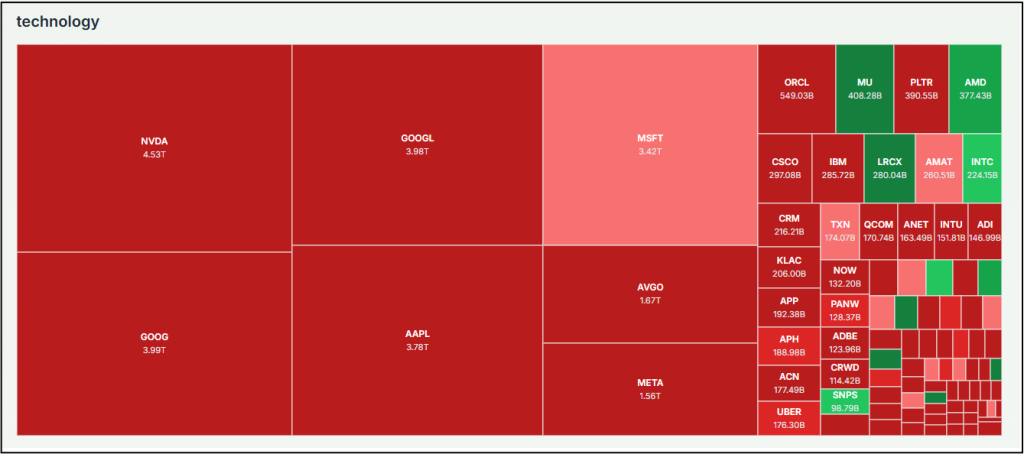
Technology stocks, which were hit hardest during the sell-off, attempted a mild bounce. Large-cap names attracted dip buyers, but volumes remained lower than average. This suggests investors are still careful.
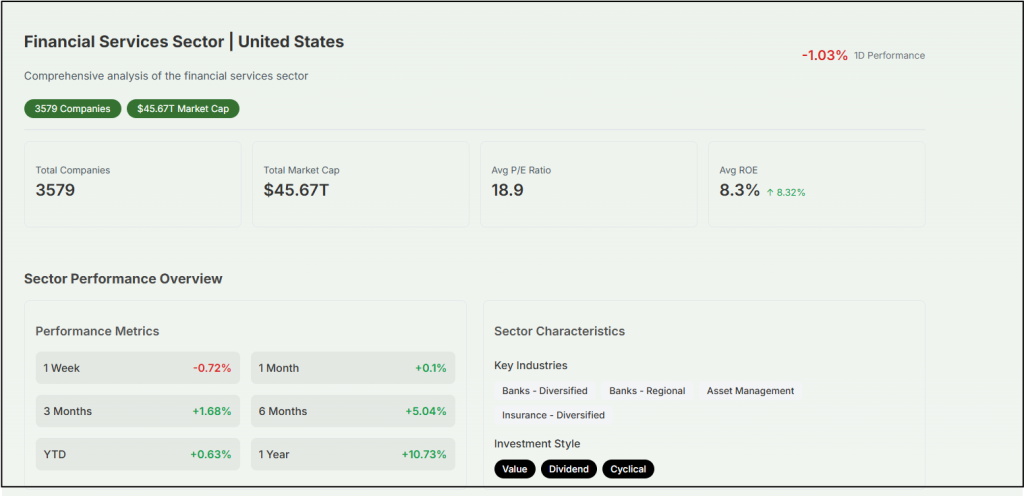
Financial stocks tracked bond yields closely. Higher yields can help bank margins, but sharp moves also increase market volatility, which can hurt sentiment. Energy stocks followed oil prices, which steadied after recent gains.
A post by MarkLeigh_edu on X highlighted how market structure is shifting, with investors focusing more on balance sheet strength and cash flow rather than pure growth stories. This shift may continue if rates stay high.
Key signals investors are watching next
• Upcoming US economic data, including inflation updates and consumer spending figures
• Federal Reserve communication, especially any hints on the timing of rate cuts
• Corporate earnings outlooks, with guidance becoming more important than past results
• Global market stability, particularly moves in Asia and Europe
These signals will likely decide whether US Stock futures gains can turn into a sustained rally or fade quickly.
How AI-driven strategies and modern trading tools fit into this market
In volatile markets like this, many investors turn to technology to manage risk. Some funds rely on AI Stock research models to analyze earnings trends, macro data, and sentiment in real time. These systems can help spot early shifts in market behavior, though they are not immune to sudden shocks.
Advanced trading tools are also seeing increased use as traders attempt to react faster to sharp price swings. At the same time, retail investors are becoming more aware of AI stock analysis platforms that highlight risk levels and volatility patterns. While these tools can support decision-making, experts warn they should not replace sound judgment and long-term planning.
What does this mean for short-term traders and long-term investors
Short-term traders may see an opportunity in rising US Stock futures, especially if volatility remains high. Quick rebounds after sell-offs can offer tactical trades, but risk remains elevated.
Long-term investors face a different question. Is this a buying opportunity or a warning sign? The answer depends on time horizon and risk tolerance. If rates remain high and growth slows, markets could stay choppy for weeks or months.
However, history shows that sharp sell-offs often create long-term value in quality companies. The challenge is timing. Buying too early can lead to short-term losses, while waiting too long can mean missing recovery gains.
A widely circulated post from wiseadvicesumit on X emphasized patience, noting that markets tend to reward discipline more than reaction during periods of stress. This view aligns with traditional investment wisdom.
Global context and why it matters for US Stock futures
US markets do not operate in isolation. Global developments continue to shape investor sentiment. European stocks have faced similar pressure, while Asian markets have shown mixed performance.
Currency moves also matter. A stronger US dollar can tighten financial conditions, affecting multinational earnings. Commodity prices, especially oil and gold, reflect broader risk sentiment and inflation expectations.
The recent bounce in US Stock futures comes as bonds recover slightly and gold holds near record levels. This combination suggests investors are still hedging risk even as equities attempt to rebound.
Are markets stabilizing or just pausing
This is the key question investors are asking. Futures gains alone do not confirm stability. What matters is follow-through during regular trading hours, volume levels, and whether selling pressure truly fades.
If bond yields stabilize and economic data do not surprise on the upside, equities may find support. But if inflation remains stubborn or yields push higher again, another wave of selling cannot be ruled out.
A recent Investing.com update on X captured this mood well, describing markets as cautious rather than confident. That cautious tone reflects reality.
Conclusion: US Stock futures rise, but uncertainty remains high
US Stock futures are climbing after a sharp sell off offers a moment of relief for investors shaken by heavy losses in the Dow, S&P 500, and Nasdaq. The rebound suggests panic may be easing, but it does not yet signal a clear return to calm markets.
Rising bond yields, inflation uncertainty, and global risks continue to shape sentiment. For now, investors are balancing hope for stabilization with caution about deeper corrections. Whether this futures rebound turns into a sustained recovery will depend on data, policy signals, and how markets digest ongoing risks.
In the coming days, all eyes will remain on yields, earnings guidance, and economic indicators as traders and investors decide their next move in an uncertain but closely watched market.
FAQ’S
US Stock futures moved higher as investors stepped in to buy after heavy losses, short sellers covered positions, and bond yields showed early signs of stabilizing, easing immediate market fear.
The sell-off was driven by rising US bond yields, worries that interest rates may stay high for longer, global risk concerns, and profit-taking in technology and growth stocks.
Not necessarily. Futures gains often follow steep declines, but a true bottom depends on stable bond yields, supportive economic data, and improved investor confidence.
Key drivers include inflation data, Federal Reserve signals on interest rates, US Treasury yield movements, corporate earnings guidance, and global market trends.
Long-term investors are usually advised to stay patient, review portfolio quality, and avoid panic decisions, as short-term rebounds do not always signal a lasting market recovery.
Disclaimer
The content shared by Meyka AI PTY LTD is solely for research and informational purposes. Meyka is not a financial advisory service, and the information provided should not be considered investment or trading advice.