US Tariff on China: Beijing Suspends 24% Duties but Keeps 10% Levy in Place
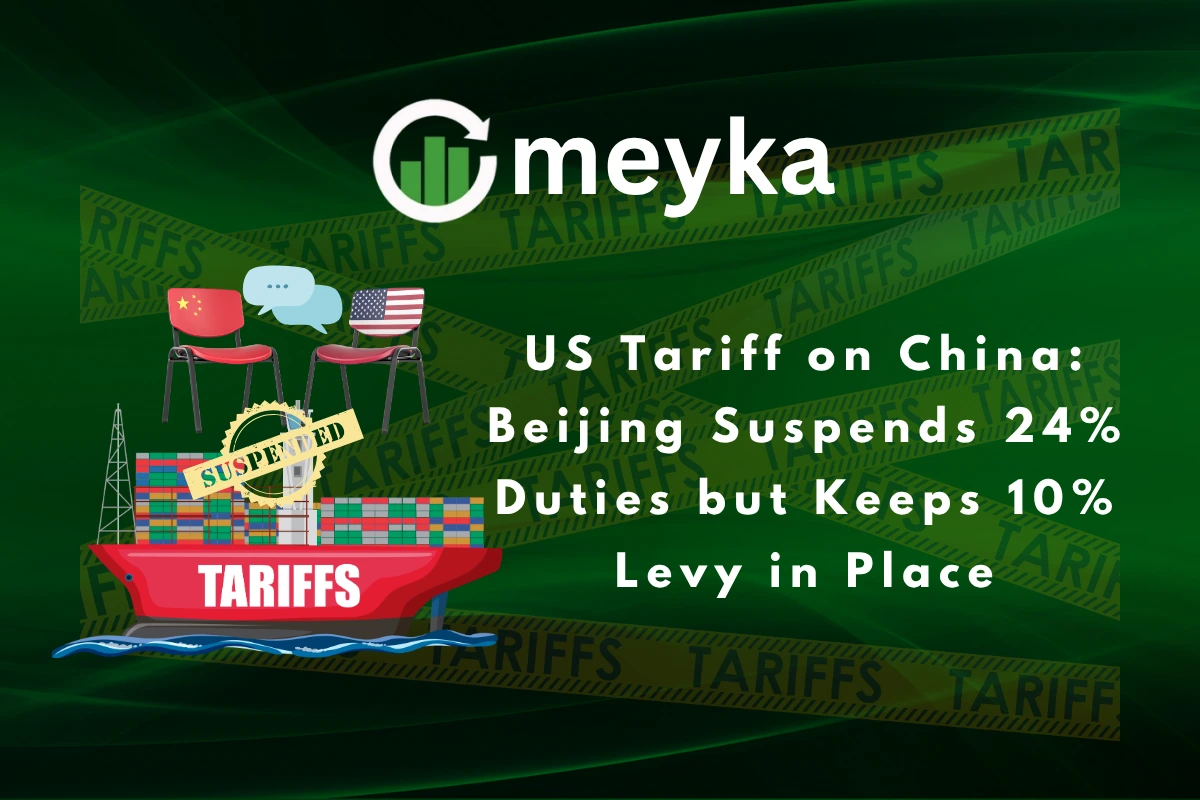
On 5 November 2025, China announced it would suspend a 24 % tariff rate on U.S. goods for one year but keep a 10 % levy in place. This step signals a shift in the tense trade relationship between the world’s two largest economies. At the same time, Beijing lifted certain duties on U.S. agricultural products starting 10 November, although key items like soybeans remain subject to elevated tariffs.
The move offers a glimmer of hope for exporters and global markets, yet it also keeps a clear line: China isn’t dropping all its protections. With short-term relief in sight yet longer-term uncertainty still looming, the latest changes deserve a closer look at what they mean for business, politics, and the global economy.
Background: The US-China Trade Relationship
Trade policy between the United States and China has been volatile since 2018. Tariffs became a primary tool for both sides. Each round raised costs for firms and consumers. In 2024-2025, tensions rose again.
Both governments used tariffs, export controls, and investment limits as leverage. Those moves pushed some companies to rethink supply chains and sourcing. Economists warn that long runs of protection can slow growth and raise prices. Still, tariffs also serve political aims. They signal priorities to domestic voters and to foreign rivals. The recent decision to adjust duties is the latest turn in a long, uneven story.
The Latest Move: What Changed on November 5, 2025?
On November 5, 2025, Beijing said it would suspend the additional 24% tariff on certain U.S. imports for one year. The State Council’s tariff commission made the announcement after high-level talks between leaders. The suspension takes effect on November 10, 2025. At the same time, China will keep a 10% levy on many U.S. goods.
The move also includes targeted duty reductions of up to 15% on some agricultural items, effective November 10. But key products like soybeans still face higher rates in practice. Beijing framed the change as a measured step to implement recent agreements and to ease specific supply disruptions.
US Perspective: Motive and Likely Response
In Washington, officials have been cautious. The United States has separately adjusted its reciprocal tariffs this year. The Office of the U.S. Trade Representative (USTR) has been reviewing Section 301 actions and seeking public comment through November 12, 2025. That suggests the U.S. may fine-tune its own duties soon.
Politicians on both sides of the aisle in the U.S. press for strong measures to protect the domestic industry. Reduced tariffs from China may ease some pressure on U.S. firms. Yet Washington still cites national security concerns tied to key technologies. Any Chinese steps will be weighed against those security claims.
Impact on Global Markets and Trade
Financial markets reacted quickly. Stocks rallied on the prospect of lower trade barriers. The latest move added to optimism after earlier truces in 2025 that lifted major indices. Cheaper duties lower input costs. That helps manufacturers and retailers. It may also change buying patterns. Chinese buyers often choose the lowest cost supplier.
Even with a lower tariff, U.S. goods must compete with cheaper alternatives from Brazil, Vietnam, and others. For example, soy imports remain price sensitive. Analysts say the tariff change could nudge demand for some U.S. exports. But the effect will vary by sector, and it might take months to show in trade data.
Business Sector Reactions
Companies gave mixed responses. U.S. exporters welcomed the news. They said it could open short-term opportunities. Some Asian manufacturers saw a chance to stabilize input costs. At the same time, importers cautioned that a 10% levy still raises prices.
Logistics firms welcomed any easing of port measures and duties. Global supply-chain managers noted that tariffs are only one factor. Capacity, shipping costs, and lead times still matter. Several industry groups called for clearer rules and longer-term certainty. Businesses are likely to monitor purchases and contracts over the next two quarters before making major changes.
Broader Geopolitical Context
This tariff tweak sits inside a larger strategic contest. Trade policy now links closely to technology, security, and diplomatic rivalry. Rare-earth export controls and investment reviews remain live issues. Both capitals want advantages in semiconductors, AI, and clean energy technology. Temporary tariff relief can reduce short-term friction.
But it does not erase deeper tensions over supply-chain resilience, technology transfer, and geopolitical influence. Allies and trade partners will watch how this change reshapes alliances. Countries in ASEAN and the EU may exploit openings to attract investment or to hedge risks.
Economic Outlook and Expert Views
Economists give cautious forecasts. Many expect modest boosts to trade flows if the suspension holds. The gains will be larger for sectors with thin margins. For big-ticket technology items, the impact could be limited because non-tariff controls remain.
Some analysts used AI models to simulate trade shifts and found uneven gains across states and industries. Inflation effects are likely small but positive for consumers in the near term. Yet a one-year suspension is short. Firms need long horizons to make capital and supply decisions. Experts, therefore, call for follow-up talks to secure longer stability.
Wrap Up
The November 5, 2025, move marks a tactical easing. It signals willingness to de-escalate. It also preserves leverage. The suspension of the 24% duty offers relief for some exporters. The remaining 10% levy and other controls mean business is not back to normal.
Markets will watch trade flows and policy statements in the coming months. If the pause becomes a bridge to stronger, clearer agreements, then both economies and global trade could gain. If not, businesses should plan for more volatility and policy shifts ahead.
Frequently Asked Questions (FAQs)
On November 5, 2025, China paused the 24% tariff to calm trade tensions with the U.S. and help stabilize prices for global buyers and sellers.
China kept a 10% tariff on U.S. technology, machinery, and farm goods like corn and soybeans to protect local industries while allowing limited trade relief.
The tariff pause may reduce costs and improve trade flow for a short time. But long-term effects will depend on future U.S.-China trade decisions.
Disclaimer: The content shared by Meyka AI PTY LTD is solely for research and informational purposes. Meyka is not a financial advisory service, and the information provided should not be considered investment or trading advice.