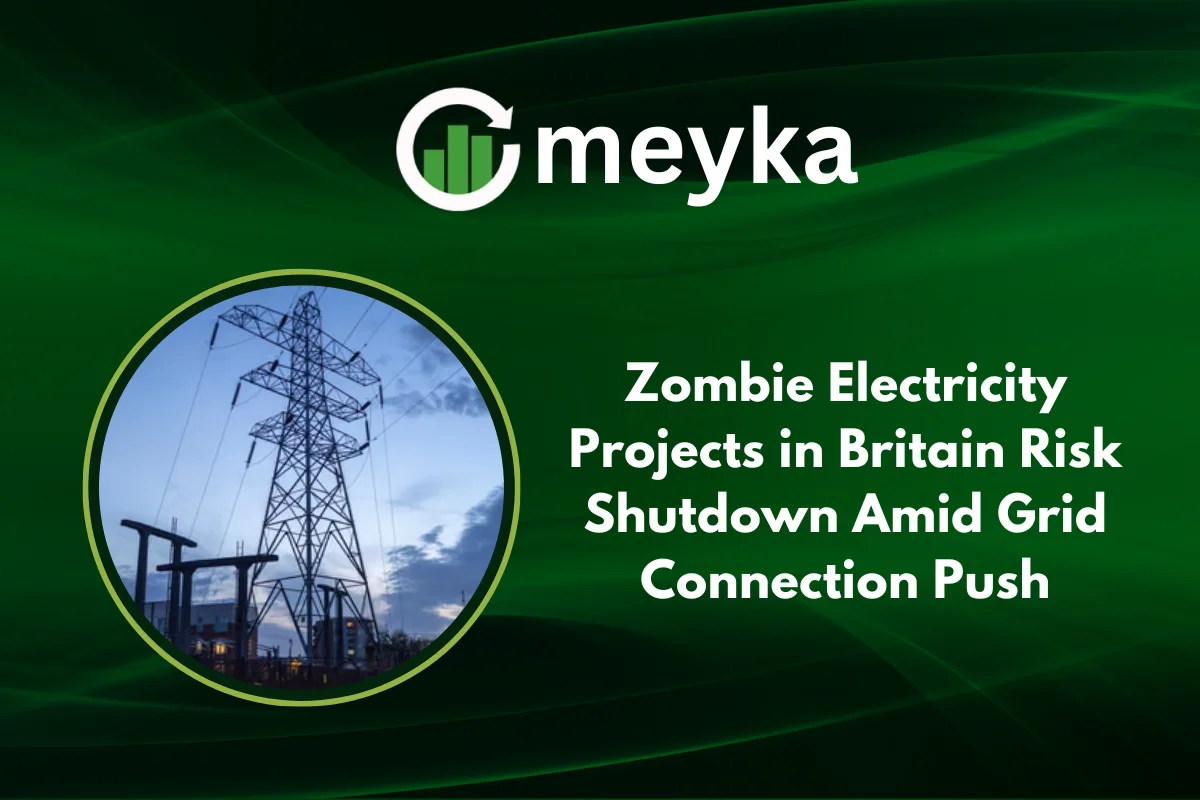
Zombie Electricity Projects in Britain Risk Shutdown Amid Grid Connection Push
In Britain’s energy sector today, a wave of reform is targeting so-called “zombie electricity” projects, stalled or speculative power-generation and storage schemes that have clogged up the grid connection queue for years. As the nation strives to meet its clean-power goals by 2030, regulators are moving quickly to cut off projects unlikely to ever produce electricity and fast-track viable, shovel-ready ones. What does this mean for Britain’s energy landscape, and for the future of power generation?
What Are “Zombie Electricity” Projects?
The term “zombie electricity” refers to energy projects, such as solar farms, wind installations, battery storage systems, or even planned data-centre power links, that have applied for a connection to Britain’s power grid but have made little or no progress. They often lack key approvals (like land rights or financing) or simply never got built, yet stay in the queue for years, sometimes over a decade.
Under the old system, grid connection worked on a first-come, first-served basis. As a result, many early speculative projects jumped in, but stalled and kept blocking the line, causing a massive backlog. That queue grew faster than the actual realistic demand.
Why the Backlog Happened and Why It Matters
- Overwhelming demand: The application queue ballooned to more than 700 GW of generation and storage requests, far more than Britain needs by 2030.
- Speculative submissions: Many developers applied for grid connection early, often hoping to sell or trade their secured connection. Others lacked proper financing or planning permission, meaning the projects were unlikely to ever go live.
- Massive delays: Under the old rules, realistic projects might have waited 10 to 15 years for connection, a ridiculous barrier for clean-energy deployment.
This backlog has delayed the rollout of actual renewable energy installations, preventing Britain from building the clean-power capacity it urgently needs to meet climate targets and supply growing demand (from sectors like data centres, EV charging, AI infrastructure, and more).
What’s Changing: Grid Connection Overhaul
Recognising the problem, Britain’s energy regulator Ofgem and the National Energy System Operator (NESO) have launched sweeping reforms in 2025.
Key measures include:
- Scrapping the old first-come, first-served rule. Instead, grid connection will only be granted to projects that prove they are “shovel-ready”, with required planning, land rights, financing, and clear timelines.
- Removing inactive or speculative projects. Projects that have stalled or failed to progress, the zombie electricity projects, will be cut from the queue, freeing up grid capacity for viable ones.
- Fast-tracking renewables and high-demand infrastructure. Priority will go to wind, solar, battery storage, data centres, EV charging networks, and other clean-energy efforts, supporting the country’s decarbonization and energy-security goals.
According to NESO, about 283 GW of fully ready projects will form a new “delivery pipeline,” some slated for connection by 2030, others by 2035.
What Could Happen, Risks and Winners
Risks for Zombie Projects
- Hundreds, perhaps thousands, of formerly queued projects risk being terminated or indefinitely delayed. Many may never receive grid access or power-offtake agreements.
- Developers behind speculative ventures may lose their investments or the ability to cash in on grid rights.
Winners: Real, Clean-Energy Projects
- Renewable-energy developers (solar, wind, battery storage) with all approvals in place stand to benefit. They may get connected faster, enabling cleaner electricity, energy-security gains, and meeting government targets.
- Infrastructure projects needing reliable power (data centres, EV-charging hubs, AI-driven tech sectors) may see improved access to a stable electricity supply, facilitating growth and innovation.
- Overall, the reforms could unlock billions in private investment and jump-start Britain’s clean-power transition.
Why This Matters for Britain and for the World
The removal of zombie electricity projects is more than just bureaucratic cleanup. It represents a turning point in Britain’s long-term path toward a clean, modern, and resilient energy system. By clearing the backlog, the government frees up needed capacity, accelerates renewable deployment, and reduces wasteful speculation. This increases the chance that Britain will hit its 2030 and 2050 climate goals.
For investors and energy-market watchers, the shift signals a clearer, more reliable investment environment. Renewable projects with real backing and solid plans are now more likely to succeed. That could attract fresh capital, perhaps even from global green-energy investors.
And for everyday people: faster deployment of clean power can mean more stable electricity supply, lower carbon emissions, growth in green jobs, and a more sustainable energy future.
Key Challenges & What to Watch
- Some previously queued projects may try legal action or scramble to meet new requirements, creating uncertainty in the short term.
- Infrastructure to connect all the new projects remains a challenge: transmission networks, supply-chain pressures, and construction bottlenecks could slow down even “approved” plans.
- Demand continues to grow (e.g., data centres, EVs, AI infrastructure), balancing supply and demand will require careful planning and strong coordination.
Conclusion
The crackdown on “zombie electricity” projects in Britain marks a bold and necessary reform for energy and environment alike. By cleaning out speculative or inactive schemes that have blocked progress for years, the new grid-connection rules pave the way for a faster, cleaner, and more efficient rollout of renewables and power-hungry infrastructure.
As Britain moves forward, this reform could shape not only its energy landscape but also its economic and technological future: renewable energy, data centres, electric vehicles, and AI-powered industries could all benefit from a more streamlined, reliable grid.
The era of zombie electricity projects may soon be over, and what emerges could be a more dynamic, sustainable, and modern energy system.
FAQs
A “zombie electricity” project has applied for grid connection but remains stalled, unbuilt, speculative, or lacking the necessary consents (planning permission, land rights, and financing), yet it stays in the queue for years.
They block real, viable renewable or clean-energy proposals from getting connected, delaying deployment, wasting grid capacity, and slowing Britain’s transition to clean energy. Removing them helps clear the backlog and accelerates the completion of meaningful projects.
Under the new system, projects that can show they are ready (approved, funded, planned) get fast-tracked for connection, boosting chances for the timely rollout of solar, wind, battery, and other clean-energy infrastructure.
Disclaimer:
The content shared by Meyka AI PTY LTD is solely for research and informational purposes. Meyka is not a financial advisory service, and the information provided should not be considered investment or trading advice.